2026 Top Mobile Welding Innovations and Trends in the Industry?
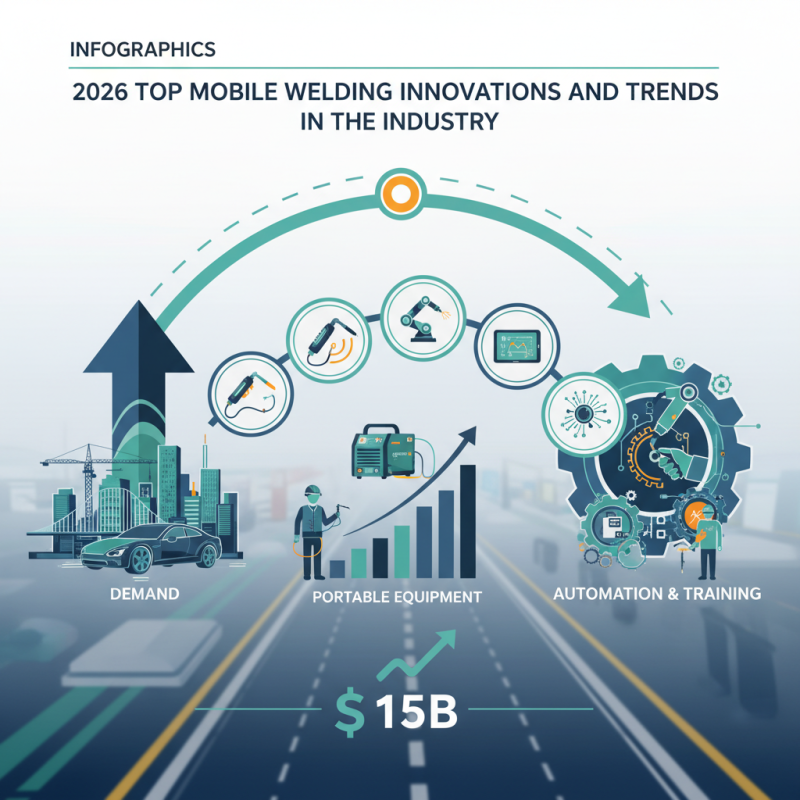
The mobile welding industry is undergoing significant transformations in 2026. As a crucial sector, it contributes over $15 billion to the U.S. economy. The demand for mobile welding services is on the rise, driven by various industries, including construction and automotive. These sectors increasingly value convenience and efficiency.
Innovations in technology are shaping mobile welding operations. For instance, portable welding machines have advanced, enhancing both performance and safety. A recent report noted that 72% of welding professionals now use portable equipment regularly. Despite these advancements, challenges remain. Inadequate training and access to resources can hinder progress.
The trend toward automation is also notable. Robotic welding systems are being integrated into mobile units, improving precision and reducing human error. However, not all companies can afford these technologies. As the industry evolves, companies must balance innovation with practical training for welders. This reflection is key to staying competitive in the mobile welding landscape.
Emerging Technologies in Mobile Welding Equipment for 2026
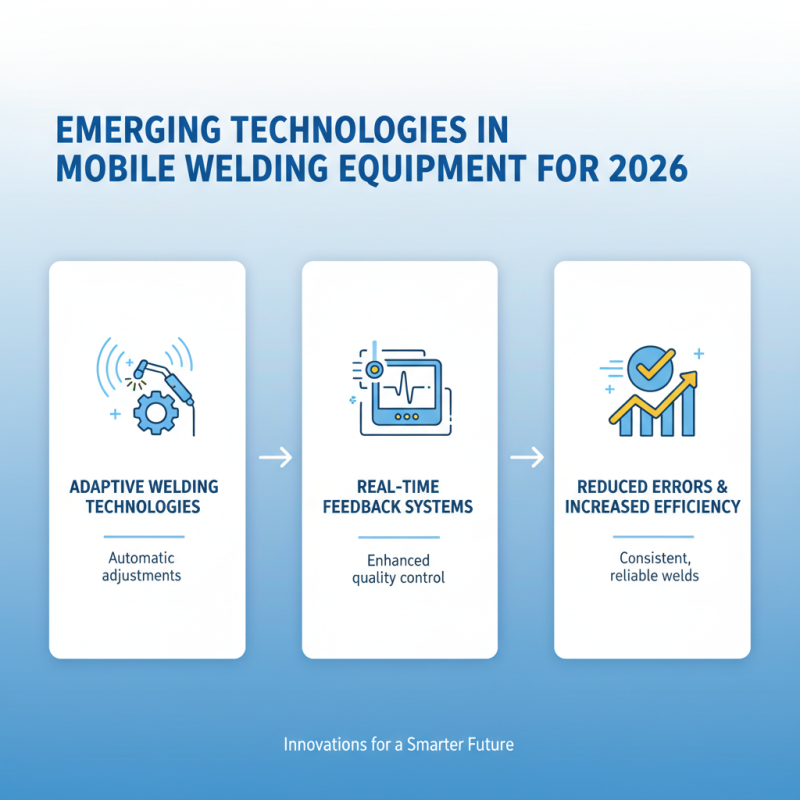
The mobile welding industry is witnessing a significant transformation due to emerging technologies. Adaptive welding technologies are at the forefront. They assist welders in adjusting parameters automatically based on real-time feedback. This innovation enhances quality and reduces the chances of errors.
Robotics is another vital trend shaping mobile welding. Advanced robotic systems are becoming more capable of handling complex tasks. These robots can work in diverse environments, providing consistent quality even in challenging conditions. However, reliance on robotics raises questions. What happens when technology fails?
Additionally, portable power sources are improving. Today, welders can use lightweight, high-efficiency generators. These generators provide the necessary power without sacrificing portability. Yet, the need for a reliable power source remains. How can the industry ensure that power solutions are durable and efficient? As the industry evolves, these questions will shape the future of mobile welding.
Advancements in Welding Materials and Their Impact on Efficiency
The welding industry is experiencing significant advancements in materials that enhance operational efficiency. New alloys and composites are being developed to provide stronger, lighter, and more durable options for various applications. These innovations can lead to faster welding processes and improved structural integrity. For example, recent advancements in high-strength steels allow for thinner components while maintaining load-bearing capabilities.
However, the integration of these materials requires careful consideration. Not every welder is trained to work with new substances, which can lead to suboptimal results. Additionally, some of these advanced materials may come with higher costs. Choosing the right material must balance performance and budget constraints. Practitioners need to assess if the long-term benefits justify the higher initial expenditures.
Furthermore, as materials evolve, so must the techniques to manipulate them. New welding methods are emerging to cater to these advancements. Some welders may resist change, preferring traditional processes. This reluctance could impact productivity in the face of competition. Hence, embracing new technologies while training the workforce on best practices is necessary for success.
2026 Top Mobile Welding Innovations and Trends in the Industry
| Innovation/Trend |
Description |
Impact on Efficiency |
Projected Adoption Rate (%) |
| AI-Powered Welding Inspection |
Utilizing artificial intelligence for real-time quality control during the welding process. |
Increases defect detection rates and reduces rework costs. |
75% |
| Portable Welding Robots |
Compact robotic systems designed for flexible welding applications on-site. |
Increases productivity and allows for higher precision in complex welds. |
60% |
| Advanced Welding Materials |
New alloys and composite materials that enhance welding performance and durability. |
Improves joint strength and reduces the overall weight of manufactured components. |
70% |
| Sustainability Trends |
Focus on eco-friendly materials and techniques in the welding process. |
Lowers carbon footprints and meets government regulations. |
80% |
| Remote Welding Technology |
Enables welders to operate machinery from a distance using augmented reality. |
Increases safety and allows for efficient operations in hazardous environments. |
65% |
Trends in Automation: Robotic Integration in Mobile Welding Solutions
The integration of robotics into mobile welding solutions represents a significant trend in the industry. Automation is changing how welding tasks are approached, making them more efficient. These robots can perform precise welds, reducing human error and enhancing overall quality. Many companies are investing in robotic systems to optimize their workflows.
However, this shift is not without challenges. Smaller businesses might struggle to adopt these technologies due to costs. Training employees to work alongside robots is essential but can be overlooked. It raises questions about job displacement and the need for upskilling.
Mobile welding is becoming faster and more adaptable. Robotics allows for increased flexibility in various environments. Operators can program robotic welders to handle different tasks with ease. Still, the technology must be reliable. Issues like maintenance and downtime need careful consideration. Each step towards automation in welding is an opportunity for growth, yet it requires thoughtful implementation to avoid pitfalls.
Sustainability Practices in Mobile Welding: Eco-Friendly Innovations
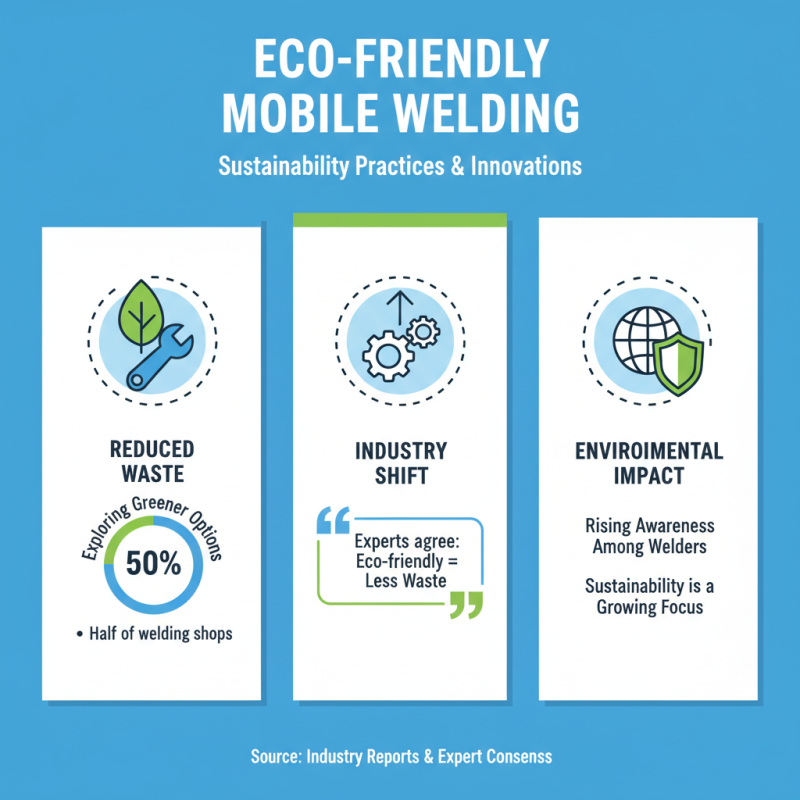
Sustainability is a growing focus in mobile welding. Many industry experts agree that eco-friendly practices can reduce waste. Reports show that about 50% of welding shops are exploring greener options. This shift reflects a rising awareness among welders about their environmental impact.
Innovative techniques, such as using renewable energy sources, are gaining traction. For instance, solar-powered welding equipment is becoming popular. This trend allows welders to reduce their carbon footprint significantly. Additionally, many mobile welders are now using recyclable materials. The shift to eco-conscious products is not just a trend; it’s a necessity.
Yet, challenges remain. Implementation costs can be high. Some welders hesitate to invest in new technologies. Concerns about efficiency also arise. Reports suggest that nearly 30% of professionals feel uncertain about transitioning to greener methods. Addressing these feelings is essential. Encouraging more training and resources can help bridge the gap. Sustainable practices are vital for the industry's future. The path forward requires both innovation and commitment.
Market Growth and Future Projections for Mobile Welding Services
The mobile welding industry is witnessing substantial growth. According to a recent market analysis, the sector is projected to expand at a compound annual growth rate (CAGR) of 8.5% from 2023 to 2026. This rise is driven by increased demand in construction and manufacturing sectors. Mobile welding services offer flexibility and immediate solutions. The convenience appeals to businesses aiming for rapid project completion.
A report by Industry Research highlights that the shift towards on-site services will change how welding is perceived. It emphasizes the need for skilled technicians equipped with the latest technology. These advancements will include improved welding techniques and portable equipment. The industry is vulnerable. Disruptions in supply chains can impact service delivery. Staying informed helps mitigate risks.
Tip: Investing in ongoing training for technicians is crucial. Equipment upgrades should not be overlooked. Regular maintenance ensures reliability. This approach enhances customer satisfaction and promotes loyalty. As mobile welding evolves, adapting and refining practices is necessary for long-term success. Understanding market demands will help shape future strategies.