2026 Top Iron Strainer Types for Global Buyers
For global buyers, choosing the right Iron Strainer in 2026 requires more than comparing prices or connection sizes. The correct design must match the fluid, pressure, temperature, flow rate, and maintenance plan. A compact Y-strainer may suit a water line, while a basket strainer can handle larger debris volumes and longer service intervals. Duplex models help reduce shutdowns, but they usually demand higher investment and careful valve selection.
Filtration specialist Dr. Barry A. Perlmutter has stated, “Effective filtration begins with understanding the process, not selecting the filter.” This principle remains highly practical for Iron Strainer purchasing. Buyers should inspect body material, screen strength, mesh accuracy, gasket compatibility, and drain-port design. Cast iron, ductile iron, and coated options may perform differently in humid plants, cooling systems, and industrial pipelines. Small details matter. A poorly positioned blowdown outlet can make routine cleaning surprisingly difficult.
This guide reviews the top Iron Strainer types expected to attract global attention in 2026. It considers Y-type, T-type, basket, duplex, temporary cone, and sanitary designs. Each section connects structure with real operating conditions, including water treatment, HVAC circulation, oil transfer, food processing, and general manufacturing. Certification, pressure testing, traceability, and supplier inspection also deserve close attention. However, no universal “best” model exists. That assumption is convenient, but incomplete. Local standards, spare-part access, and installer experience can change the final decision. A reliable purchase balances performance, lifecycle cost, and practical maintenance.
Iron Strainers Explained: Purpose, Structure, and Main Applications
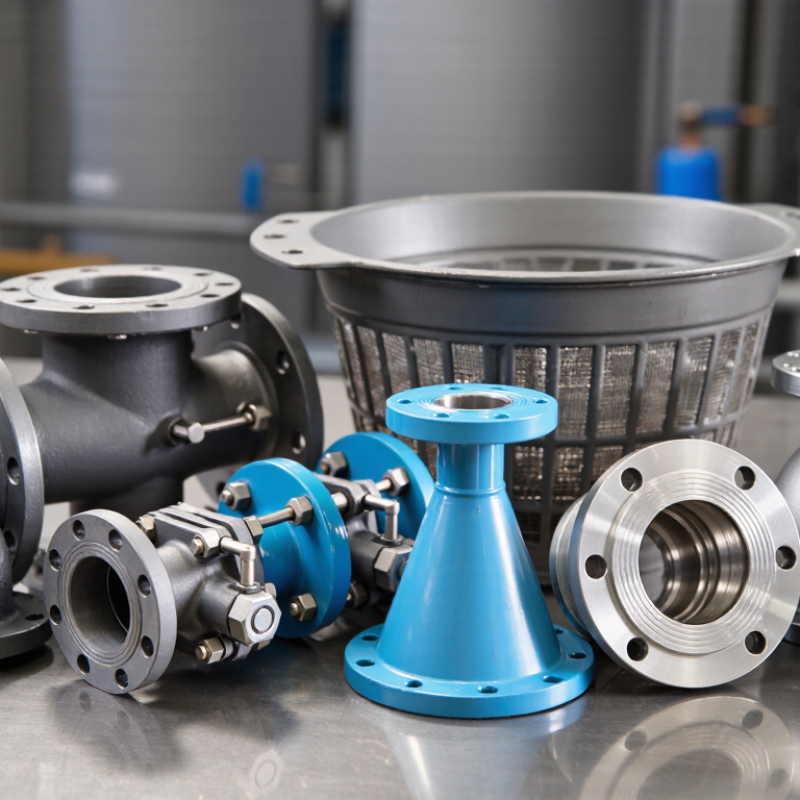
Iron strainers are mechanical filters used to protect pumps, valves, meters, and heat exchangers. They remove rust flakes, sand, welding debris, and other solid particles from flowing media. Their structure is simple but important. A typical unit has an iron body, inlet and outlet ports, a removable cover, and an internal screen. The screen may be perforated metal or fine mesh. Y-type strainers suit compact pipelines, while basket strainers support higher debris loads and easier cleaning.
Applications vary across industrial water systems, irrigation lines, fire protection equipment, and HVAC circulation. Cast iron bodies often suit ordinary water service and moderate temperatures. Ductile iron can provide greater mechanical strength. However, iron is not automatically suitable for every fluid. Corrosive media, high pressure, or frequent thermal cycling may require another material. In practice, selection is rarely perfect. A smaller screen captures more particles but can clog faster, reducing flow and increasing maintenance work.
Tips: Check pressure, temperature, pipe size, and fluid chemistry before purchasing. Measure the screen opening, not only the connection size. Install the strainer where operators can open the cover safely. A drain valve can simplify cleaning. Inspect pressure loss regularly, because a blocked screen may look like a pump failure. Local engineering requirements should also be verified.
Top Iron Strainer Types for Global Buyers in 2026
2026 Top Iron Strainer Types for Global Buyers
Top Iron Strainer Types for Global Buyers in 2026 depend on flow, pressure, and maintenance access. Cast-iron Y strainers suit steam, water, and general industrial lines. Their compact bodies fit crowded pipe racks. Basket strainers handle heavier debris and higher dirt loads. Duplex iron strainers support continuous service because one chamber can operate during cleaning. Temporary cone strainers remain useful during commissioning, but they need careful removal afterward.
A 2024 industrial filtration market report from MarketsandMarkets forecasts roughly 6% annual growth through 2028. That expansion reflects stricter process control and rising water-treatment investment. However, market growth does not make every iron strainer suitable. Buyers should verify pressure class, connection standard, temperature range, and screen area. Small screens can clog quickly. Very large screens can increase purchase cost without improving protection.
For corrosive water, ductile iron may offer better mechanical performance than ordinary cast iron. Stainless screens also deserve attention, especially where fine particles threaten pumps or heat exchangers. ASME B16.34 and relevant pipeline standards provide useful guidance for pressure-containing components. Still, standards alone cannot replace operating data. I would not rely only on catalog flow rates; real debris loading changes performance. A practical specification should state mesh size, allowable pressure drop, drain arrangement, coating requirements, and spare-screen availability. In some projects, that last detail is overlooked.
2026 Top Iron Strainer Types for Global Buyers
Comparison of commonly specified industrial iron strainer types by typical nominal filtration opening.
Y-strainers are widely used for compact pipeline protection, while basket and duplex strainers are preferred when higher dirt-holding capacity or continuous operation is required. Actual opening sizes vary by application, fluid, pressure rating, and screen specification.
Key Materials, Coatings, and Performance Differences
2026 Top Iron Strainer Types for Global Buyers
Key Materials, Coatings, and Performance Differences
Cast iron strainers suit moderate pressure, clean water, and general utility lines. Ductile iron handles impact and pressure changes better. Stainless steel performs strongly in saline, hygienic, and chemically aggressive service. Carbon steel offers high strength, but its bare surface needs protection. Material selection should follow temperature, pressure, fluid chemistry, and maintenance access. A heavier body does not automatically mean longer service life.
Coatings change real-world performance. Fusion-bonded epoxy can protect iron from external moisture and internal corrosion when surface preparation is controlled. PTFE-based linings reduce friction and resist many chemicals, but high temperatures can limit their use. The NACE IMPACT study estimated global corrosion costs at US$2.5 trillion, or about 3.4% of global GDP. This figure explains why coating quality deserves the same attention as metal grade. Still, no coating repairs poor casting quality or incorrect installation. That point is often underestimated.
Tips: Request coating thickness, adhesion, holiday testing, and curing records. Check ASTM material certificates and pressure-test results. Compare mesh opening, pressure loss, drain design, and replacement access. Ask for actual fluid chemistry, not only “corrosive” or “clean.” I would also challenge oversized strainers. They may lower pressure loss, but they increase cost and installation space. A specification can look complete and still miss seasonal temperature changes.
How to Select the Right Iron Strainer for Each System
2026 Top Iron Strainer Types for Global Buyers
How to Select the Right Iron Strainer for Each System
A reliable iron strainer starts with system conditions, not price. Select by fluid, flow rate, pressure, temperature, and installation space. Y-type strainers suit compact pipelines and moderate debris loads. Basket strainers provide greater screening area for larger flows. Duplex designs support continuous operation when cleaning cannot stop the process. Temporary cone strainers work well during commissioning, but they are not permanent solutions.
The U.S. Department of Energy reports that pumping systems can consume about 25% of industrial electricity. That makes pressure drop a serious operating cost. A 100-micron screen may protect sensitive equipment, yet it can clog quickly in muddy water. Do not choose the finest mesh automatically. Compare clean and dirty pressure-drop data, then confirm the valve and pump limits. IEA’s Energy Efficiency 2024 report identifies industry as using roughly 37% of global final energy. Small hydraulic losses can matter.
Material Selection Material selection needs equal care. Cast iron fits many water and general-service systems. Ductile iron offers better mechanical strength. Corrosive fluids may require internal coatings or another alloy. Check compatibility with the fluid, not only the pipe material. Poor coating control can become the hidden weakness.
Before Ordering Before ordering, request flow curves, screen dimensions, test standards, and maintenance access details. Confirm flange drilling and local pressure ratings. Operators should be able to remove the basket safely. In practice, the cheapest strainer is rarely the lowest-cost choice. Pressure losses accumulate. So do maintenance delays.
