2026 Top MIG Welding Stainless Steel Machines for Buyers

Choosing among the 2026 top MIG welding stainless steel machines requires more than comparing amperage and price. Stainless steel reflects heat differently, reveals contamination quickly, and punishes careless setup with discoloration or distortion.

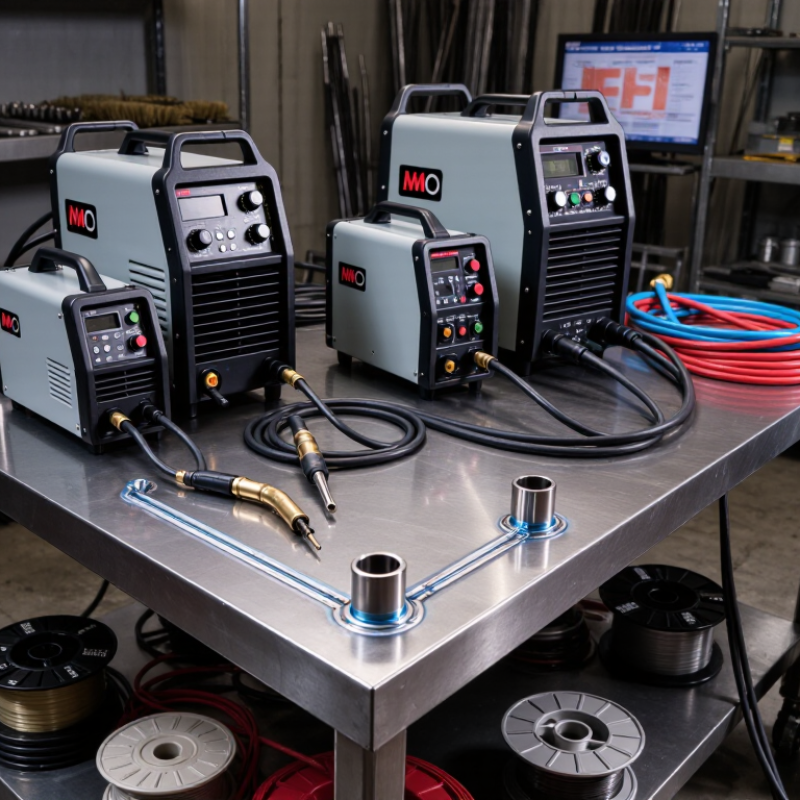
Welding metallurgy expert John C. Lippold offers a useful warning: “Weldability is not a simple yes-or-no property.” That principle matters when buyers compare machines for 304, 316, and thinner stainless sheet. A reliable model should provide stable arc control, adjustable inductance, accurate wire feeding, and useful pulse settings. These features help reduce spatter around a clean 3/8-inch corner joint.

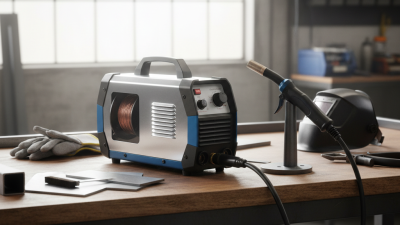
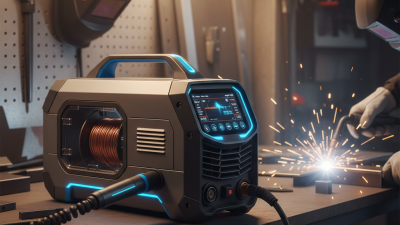
Gas control matters too. A machine may perform well with an appropriate argon-based mixture, but poor gas coverage can ruin an otherwise sound weld. Buyers should examine duty cycle, thermal protection, spool-gun compatibility, service access, and warranty support. A bright display is convenient, yet it does not replace consistent wire tension or dependable cooling.

Real workshops are rarely perfect. Power supply quality varies. Operators make mistakes. Some advertised settings may feel less intuitive than expected. I would not choose a machine from specifications alone. A practical test should include a short bead, a fillet weld, and repeated starts on clean stainless coupons.

This guide reviews leading 2026 options through that working perspective. It considers arc stability, finish quality, control flexibility, operating cost, and long-term reliability. The best machine is not always the most powerful. It is the one that produces repeatable stainless welds without making the operator fight every adjustment.
2026 Top MIG Welding Stainless Steel Machines for Buyers

What Makes a MIG Welder Suitable for Stainless Steel

2026 Top MIG Welding Stainless Steel Machines for Buyers

What Makes a MIG Welder Suitable for Stainless Steel

A suitable MIG welder must control heat accurately. Stainless steel conducts heat differently from mild steel. Excessive heat can cause distortion, discoloration, and reduced corrosion resistance. Look for adjustable inductance, stable arc control, and pulse capability. Pulse transfer helps limit spatter while protecting thin stainless sheets. A reliable wire feeder also matters. Irregular feeding can create an unstable arc and visible surface defects.

Gas control is equally important. ISO 14175 classifies shielding gases for arc welding, including argon-based mixtures used with stainless steel. Many fabricators select argon with small oxygen or carbon dioxide additions. Higher carbon dioxide levels may increase oxidation and spatter. The American Welding Society’s Welding Handbook also emphasizes clean surfaces, correct polarity, and suitable filler metal selection. These details often matter more than maximum amperage.

The market is substantial. The International Stainless Steel Forum reported global crude stainless production of about 62.2 million tonnes in 2024. That volume supports continued demand for controlled stainless fabrication equipment. However, published specifications can mislead buyers. Duty-cycle figures may look impressive but say little about arc stability at low amperage. I would test a machine on 1.0 mm sheet before purchasing.

Tips: Clean the joint with a dedicated stainless brush. Keep the torch angle consistent. Check gas flow beside the workpiece, not only at the regulator. Record voltage, wire speed, and visible discoloration during testing. A small color change can reveal excessive heat input.

Key Features to Compare in 2026 Stainless Steel MIG Machines

2026 Top MIG Welding Stainless Steel Machines for Buyers

When comparing stainless steel MIG machines in 2026, start with stable arc control. Stainless wire can expose poor settings quickly, creating spatter, discoloration, or uneven beads. Check the amperage range, duty cycle, and wire-feed accuracy. A machine rated at 250 amps may not sustain that output during long fabrication sessions. Real workshop testing matters more than a large number on the panel.

Look for pulse or synergic modes when appearance and heat control matter. Pulse settings can reduce distortion on thin stainless panels, although they still require correct wire, shielding gas, and travel speed. Confirm support for stainless wire sizes commonly used in your work. A smooth drive system, clear controls, thermal protection, and a comfortable torch also improve daily reliability. I have found that a powerful machine can still disappoint when its interface is confusing. That is worth admitting.

Tips: Test the machine on actual stainless offcuts before purchase. Inspect the bead under bright light, then check the reverse side for excessive heat marks. Compare cable length, service access, and replacement-part availability. Do not judge quality from one perfect sample. Your welding position, material thickness, and operator skill will change the result.

Top MIG Welding Stainless Steel Machines for Different Buyer Needs

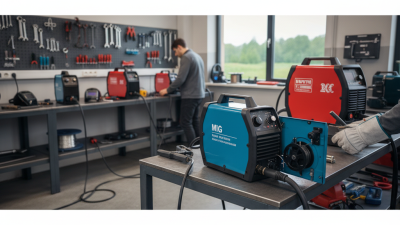
Choosing the right MIG welding stainless steel machine depends on the buyer’s workload, skill level, and workshop conditions. A home fabricator may need a compact machine with simple controls, stable arc performance, and a moderate duty cycle. For repair work, portability matters more than maximum output. A small display can help, but overly complex menus may slow beginners down.

Professional fabricators should consider pulse MIG, accurate wire-speed control, and strong thermal protection. These features help reduce spatter on stainless steel panels, railings, and food-grade frames. Check compatibility with 308L or 316L wire, suitable shielding gas, and the required torch liner. Production buyers should examine duty-cycle ratings, cooling design, service access, and consistent performance across long shifts. Specifications look impressive. Real shop conditions can disagree.

Tips: Test the machine with scrap stainless before starting a visible joint. Clean the surface thoroughly, use dedicated stainless brushes, and keep carbon-steel tools away from the work area. Watch the heat input closely; excessive heat can cause distortion and discoloration. A machine with excellent power may still feel unsuitable if its controls are difficult to adjust. I once underestimated setup time, and that mistake made a supposedly efficient machine less practical. Compare actual weld control, not only advertised output.

How to Choose the Right Machine for Your Welding Applications

2026 Top MIG Welding Stainless Steel Machines for Buyers

How to Choose the Right Machine for Your Welding Applications

Choosing a stainless steel MIG machine starts with the job, not the advertised power. Check the material thickness, joint design, production hours, and available electrical supply. A compact unit may handle thin sheet well, while repeated work on heavy frames needs stronger output and cooling. More power is not always better.

Look for stable voltage control, adjustable wire speed, and a reliable short-circuit transfer mode. Stainless steel usually requires compatible wire, shielding gas, and clean liners to reduce contamination. Confirm the machine supports the wire diameter your work actually needs. Gas flow should remain steady near the torch, especially in drafty workshops. That matters.

Duty cycle deserves careful attention. A machine rated for 60% at a stated amperage may require six minutes of welding and four minutes of cooling. In real workshops, ambient heat, extension cables, and operator technique can reduce performance. I have seen buyers focus on peak amperage and overlook torch comfort, cable length, and service access. That mistake becomes expensive during long welds.

Before purchase, test the machine with your stainless grade and preferred wire. Examine arc response at low and medium settings, then inspect bead appearance and spatter. Ask for documented electrical ratings, protection features, replacement parts, and technical support. A digital display is useful, but it cannot fix poor setup. Leave room for doubt, and verify the claims yourself.

Safety, Maintenance, and Setup Tips for Stainless Steel MIG Welding

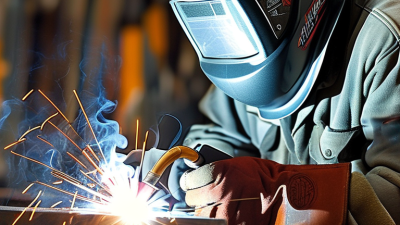
Stainless steel MIG welding rewards careful preparation, but it punishes casual safety habits. I wear a properly rated welding helmet, flame-resistant clothing, gloves, and closed footwear. Good ventilation is essential because stainless fumes can contain hazardous compounds. I also remove flammable materials from the work area and keep a suitable fire extinguisher nearby. The workpiece needs a secure ground connection, while gas cylinders must remain upright and firmly restrained.

Setup affects weld quality immediately. I clean the joint with a dedicated stainless-steel brush and degreaser, avoiding carbon-steel tools that can cause contamination. The shielding gas, wire type, polarity, and flow rate should match the wire manufacturer’s technical guidance. I usually test settings on scrap metal before touching the actual project. A steady travel speed, moderate stickout, and consistent gun angle help prevent porosity and excessive spatter. My first setting is not always correct. That is worth remembering.

Maintenance is less glamorous but equally important. Before welding, I inspect the liner, contact tip, drive rollers, torch cable, and gas hose for wear or blockage. Moisture in the gas line can create unstable arcs, so I check connections and listen for leaks. After use, I cover the machine, store wire in a dry place, and clean metal dust from the feeder. I also record successful settings, although my notes sometimes miss the exact joint fit-up. That small omission can make the next repair slower.

Contact us

Please fill out the enquiry form, and our dedicated team will promptly attend to your request