What is an Absorption Heat Exchanger and How Does It Work?
In the world of thermal management, the Absorption Heat Exchanger (AHE) stands out as a remarkable solution. Dr. Helen Carter, an industry expert, emphasizes its significance: "Absorption Heat Exchangers are pivotal in sustainable energy systems." By harnessing heat from various sources, AHE redistributes thermal energy efficiently. This innovative technology draws on principles of thermodynamics to create a sustainable environment.
The function of an Absorption Heat Exchanger involves a complex interplay of heat and mass transfer. As it absorbs heat, it helps maintain stable temperatures in industrial processes. These exchangers often utilize eco-friendly refrigerants. Their design can impact energy consumption significantly. However, they also require precise engineering to operate optimally. Small mistakes in design can lead to inefficiencies.
Despite their effectiveness, challenges persist in the deployment of Absorption Heat Exchangers. High initial costs and the need for skilled operation can deter some industries. An understanding of their function is crucial for maximizing benefits. As we navigate the future, continuous improvement in AHE technology remains essential for enhancing reliability and performance. Focusing on these areas will ensure broader acceptance and success in various applications.
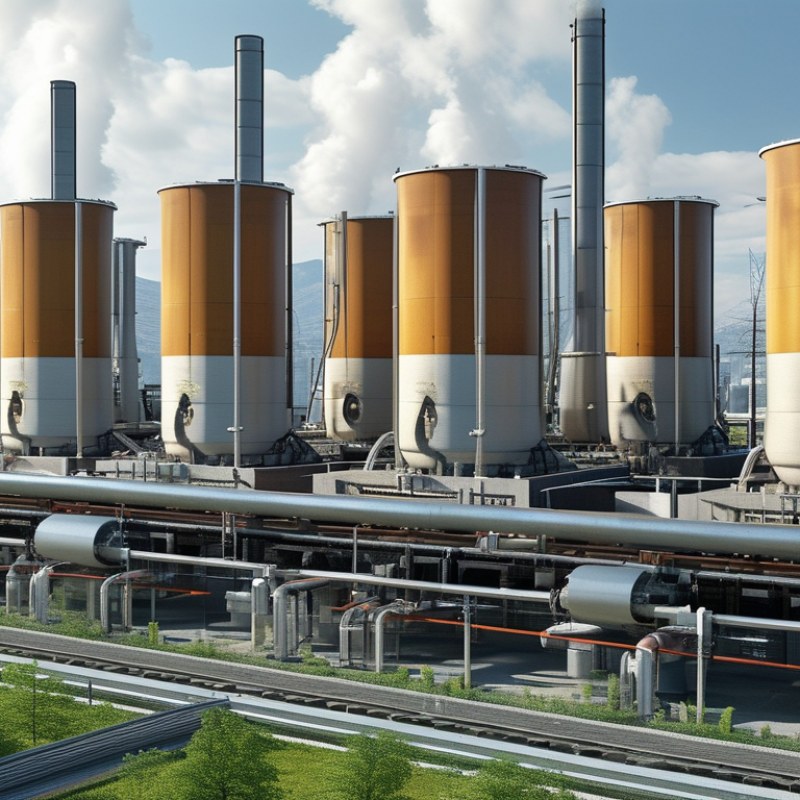
Definition of Absorption Heat Exchanger
An absorption heat exchanger is a crucial component in many heating and cooling systems. It relies on a fluid's ability to absorb heat and transfer it efficiently. This device operates based on the principles of thermodynamics, utilizing a refrigerant and an absorbent. The refrigerant evaporates in a low-pressure environment, absorbing heat from the surroundings. Meanwhile, the absorbent captures the vapor, forming a solution.
The efficiency of this process lies in the design and material of the heat exchanger. Materials must withstand varying temperatures and pressures while maintaining good thermal conductivity. The arrangement of tubes or plates also impacts heat transfer effectiveness. However, not all systems perform optimally. Factors like fouling, corrosion, and improper sizing can hinder performance. Regular maintenance and monitoring are necessary to ensure efficiency.
Absorption heat exchangers offer benefits like lower energy consumption. They can provide cooling without relying solely on electricity. Yet, they are complex systems that require proper understanding. Mistakes in operation or installation can lead to decreased efficiency or system failure. Continuous learning about these systems is essential for maximizing their potential.
Principles of Operation for Absorption Heat Exchangers
Absorption heat exchangers are essential in various thermal processes. They utilize the principles of thermodynamics and fluid dynamics. These devices capture waste heat from one system and transfer it to another, improving energy efficiency. The design typically involves two fluids: a refrigerant and an absorbent. The refrigerant evaporates and absorbs heat, while the absorbent helps in recovering that heat for reuse.
The operation of an absorption heat exchanger relies on temperature and pressure differences. A solution of absorbent is heated, causing the refrigerant to evaporate. This vapor rises, absorbing heat in the process. The vapor then condenses in a separate area, releasing heat to the environment or to a different fluid. This cycle repeats, creating a continuous flow of energy transfer.
Yet, the efficiency of such systems can vary. Factors such as fluid properties, flow rates, and temperature differences influence performance. Industry professionals often face challenges in optimizing these parameters. Regular maintenance is crucial for reliable operation. Issues like fluid leakage or equipment wear can hinder overall effectiveness. Understanding these nuances helps engineers improve system designs and operational strategies.
Key Components Involved in Absorption Heat Exchanger Design
Absorption heat exchangers are crucial in energy-efficient systems. Their design relies on several key components that ensure excellent performance. The primary parts include an absorber, generator, condenser, and evaporator. Each element plays a specific role in facilitating the heat absorption process, affecting the overall system efficiency.
The absorber collects heat from the environment and transfers it to a refrigerant, often ammonia or lithium bromide. A report by the International Renewable Energy Agency indicates that absorption heat technologies can achieve efficiencies above 90% under optimal conditions. This is significant when considering that traditional vapor-compression systems typically operate around 60%. The generator then uses the absorbed heat to elevate the refrigerant’s temperature, driving the cycle forward.
Designing an effective heat exchanger requires careful consideration of these components. For instance, the choice of materials can impact thermal conductivity. Using low-conductivity materials may hinder efficiency. The system should also balance between size and heat transfer capabilities. Oversizing the system could lead to increased costs and energy loss. Attention to these details is crucial for maximizing performance and ensuring reliability in real-world applications.
What is an Absorption Heat Exchanger and How Does It Work? - Key Components Involved in Absorption Heat Exchanger Design
| Component | Description | Function | Material Used |
| Absorber | A device where refrigerant vapor is absorbed into a liquid absorbent. | To absorb refrigerant vapor and produce a high-pressure solution. | Copper, stainless steel |
| Generator | Heats the absorbent solution to release the refrigerant vapor. | To separate the refrigerant from the absorbent. | Stainless steel, carbon steel |
| Condenser | A component where the refrigerant vapor is condensed into a liquid. | To release heat and convert vapor back into liquid. | Copper, aluminum |
| Evaporator | Where the refrigerant liquid evaporates to absorb heat from the environment. | To absorb heat and provide cooling. | Aluminum, copper |
Applications of Absorption Heat Exchangers in Industry
Absorption heat exchangers play a crucial role in various industrial applications. They utilize a unique process to transfer heat between two fluids, significantly improving energy efficiency. This technology finds widespread use in industries like chemical manufacturing, food processing, and HVAC systems. For instance, in chemical plants, these exchangers help recover heat from industrial processes, making systems more sustainable.
In the food industry, absorption heat exchangers are employed to manage temperature-sensitive processes. They ensure that products like dairy and beverages are heated or cooled without compromising quality. However, the implementation of this technology can pose some challenges. Factors such as fluid compatibility and maintenance needs require careful consideration. Industries must weigh the benefits against potential operational drawbacks.
Heat recovery systems in HVAC can also benefit from absorption technology. They enhance energy efficiency by reusing waste heat during cooling and heating cycles. Yet, not all applications yield perfect results. Some installations may require frequent adjustments to optimize performance. Organizations must remain vigilant to address these issues, ensuring that their systems run smoothly while maximizing energy savings.
Advantages and Limitations of Absorption Heat Exchangers
Absorption heat exchangers are innovative systems that utilize thermal energy from a primary source to enhance efficiency in heating applications. Their primary advantage lies in their ability to operate on low-grade heat sources, such as waste heat or solar energy. According to a report from the International Energy Agency, absorption heat exchangers can improve energy efficiency by up to 70% in certain applications. This makes them a compelling option for industries aiming to reduce their carbon footprint and energy costs.
However, it is essential to recognize the limitations of absorption heat exchangers. Their initial installation costs can be significantly higher than traditional systems, which may deter some organizations. Additionally, these systems often require a more extensive maintenance regimen due to complex components. Research from the American Society of Heating, Refrigerating and Air-Conditioning Engineers (ASHRAE) indicates that absorption systems may underperform in regions with fluctuating temperatures, which can affect reliability. This calls for careful consideration of local climate conditions before implementation.
Ultimately, while absorption heat exchangers present noteworthy advantages, their limitations warrant a thorough assessment. Operating conditions and long-term maintenance are critical factors that can impact overall efficiency and success in application.
