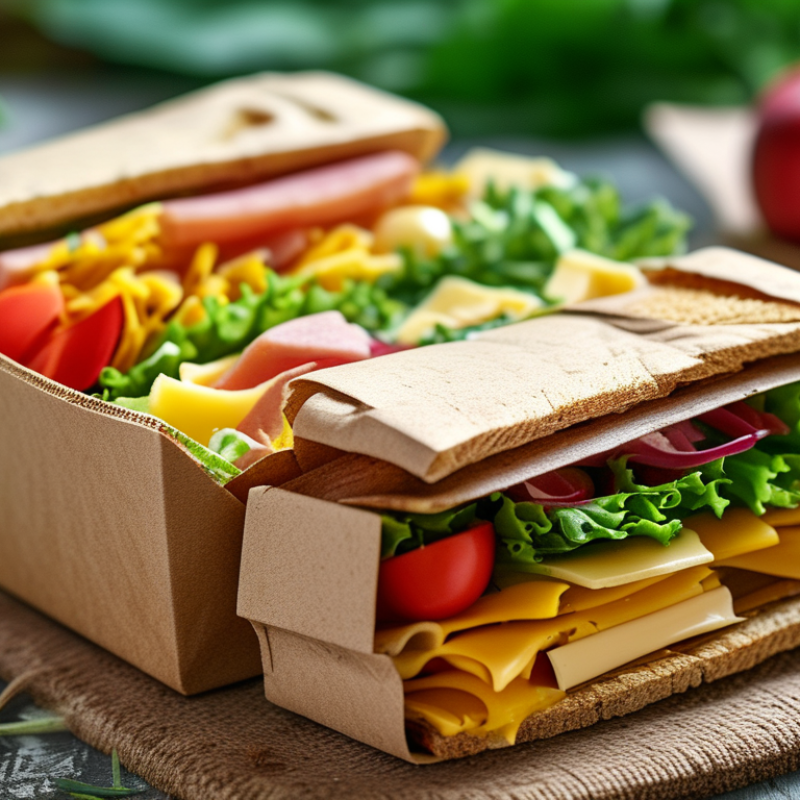
Best Sandwich Paper for Efficient and Eco Friendly Packaging?
In today’s world, sustainable practices are essential. One way to embrace eco-friendly solutions is through the choice of packaging materials. Sandwich Paper stands out as an efficient option. It is biodegradable, compostable, and durable. However, not all Sandwich Paper is created equal.
Many brands promote eco-friendliness, but consumers must seek trustworthy options. Reliable Sandwich Paper should prioritize environmental impact alongside quality. Ingredients, production processes, and certifications can help evaluate a product’s reliability. Exploring these factors enables businesses to make informed decisions.
Selecting the right Sandwich Paper means balancing efficiency and sustainability. It’s important to reflect on the entire lifecycle of the paper. This includes sourcing, usage, and disposal. A strong commitment to eco-friendly packaging can lead to positive changes. The choices made today shape a better tomorrow.
Best Sandwich Paper Materials: A Comprehensive Comparison
When considering sandwich paper for packaging, various materials come into play. Kraft paper is widely recognized for its strength and natural qualities. According to a report by Smithers Pira, the demand for Kraft paper is expected to grow by 3% annually in the food packaging sector. Its biodegradability makes it an eco-friendly choice. However, it often lacks sufficient grease resistance for oily foods.
Alternatively, glassine paper stands out due to its smooth finish and resistance to moisture. It provides a barrier that prevents grease from leaking, making it ideal for deli meats and cheeses. Research indicates that glassine can be up to 80% recyclable, which enhances its sustainability profile. Yet, its higher production cost can pose challenges in widespread adoption.
Another noteworthy option is compostable paper, often made from renewable sources. This material decomposes in industrial composting facilities within 90 days. A study by the Biodegradable Products Institute (BPI) highlights that compostable packaging can significantly reduce landfill waste. Despite its benefits, the lack of infrastructure for composting in many regions can hinder its effectiveness. These materials each bring distinct advantages and challenges, necessitating careful consideration by businesses seeking efficient and eco-friendly options.
Biodegradability of Sandwich Paper: Industry Standards and Metrics
The demand for eco-friendly packaging has led to significant developments in sandwich paper materials. According to the Environmental Protection Agency, approximately 30% of paper waste is produced by food packaging. With growing concerns about plastic pollution, businesses must consider biodegradable options. This shift can greatly reduce waste and demonstrate social responsibility.
Biodegradability standards vary across regions. The American Society for Testing and Materials (ASTM) outlines specific criteria for labeling materials as biodegradable. Typically, paper products should decompose within 90 days in composting conditions. Research indicates that high-quality sandwich paper can meet these standards, making it suitable for eco-conscious enterprises. It’s essential to evaluate certifications carefully though, as not all products labeled as biodegradable are true to their claims.
Despite advancements, challenges remain. Some biodegradable options still struggle to break down completely under standard landfill conditions. This raises questions about the effectiveness of various materials. Brands must continually assess their packaging choices to ensure environmental claims are valid. The industry needs to prioritize transparency and improvement. Making informed decisions will better align packaging practices with sustainability goals.
Cost Analysis of Eco-Friendly Sandwich Paper vs. Traditional Options
When evaluating the cost of eco-friendly sandwich paper, it’s essential to consider various factors. Traditional sandwich packaging often relies on plastic and non-biodegradable materials, which can lead to higher long-term costs for the environment. Eco-friendly options can reduce waste and may even appeal to a growing consumer base that prioritizes sustainability.
While the initial purchase price of eco-friendly paper might be higher, the benefits outweigh the costs. Sustainable materials can enhance a brand’s reputation and attract environmentally conscious customers. Moreover, many businesses find a marketing advantage in using green packaging, potentially leading to increased sales. However, the transition may require investment, which can be daunting.
There is a trade-off that requires reflection. Not all eco-friendly papers perform the same way. Durability, moisture resistance, and overall usability are crucial in food packaging. Businesses must weigh these characteristics against the prices. Balancing environmental responsibility with practicality requires careful consideration and insights into supply chain management.
Sourcing and Manufacturing Practices for Sustainable Sandwich Paper
Sourcing sustainable sandwich paper requires careful consideration of materials and practices. For instance, many manufacturers focus on sourcing fibers from certified forests. This helps protect biodiversity and supports responsible forestry. Research shows that using recycled paper can reduce greenhouse gas emissions by up to 60%. Choosing recycled options not only benefits the environment but also conserves resources.
Manufacturing practices are equally important in maintaining sustainability. Many companies are investing in eco-friendly processes. Water conservation, energy efficiency, and waste reduction are key goals. However, challenges remain. Some processes still rely heavily on non-renewable energy sources. This creates a conflict between sustainability claims and actual practices.
Adopting life-cycle assessments can enhance transparency in the industry. These assessments help businesses understand the environmental impact from sourcing to disposal. Finding reliable data can be difficult, and many companies struggle with accurate reporting. Continuous improvement is essential. It's crucial to remain vigilant and proactive in researching new materials and methods in sandwich paper production.
Consumer Preferences: Survey Insights on Eco-Friendly Packaging Choices
Consumer preferences are shifting towards eco-friendly packaging, particularly in the food industry. A recent survey indicated that 73% of consumers prioritize sustainability when purchasing sandwiches and similar products. This trend reflects a growing awareness of environmental issues and the role packaging plays in waste management. Many consumers are willing to pay more for products that utilize sustainable packaging materials, highlighting the importance of understanding consumer values.
A report from the Future Market Insights highlights that biodegradable and compostable packaging will dominate the market by 2026. The data shows that consumers prefer materials derived from natural sources. This insight emphasizes the need for brands to adopt innovative, eco-friendly solutions. For instance, options such as plant-based paper or recycled materials have become increasingly favored. These choices often resonate better with consumers seeking to minimize their carbon footprint.
Tips: Choose packaging that clearly displays its sustainability credentials. Transparency builds trust with consumers. Consider using monochromatic designs to reduce ink usage and appeal to eco-conscious buyers. Staying updated on industry trends can also help in offering relevant packaging solutions. Regularly assessing packaging effectiveness can guide brands in creating packaging that both protects products and aligns with consumer expectations.