What Is the Best Hydraulic Cutting Machine for Your Business?
Choosing a Hydraulic Cutting Machine is less about buying the biggest press and more about matching its working range to your daily jobs. A shop trimming gasket sheets needs different force, bed dimensions, and tooling than a plant cutting layered rubber or composite panels. Start with material type and maximum thickness. Then compare required cutting force, usable table area, stroke, and cycle speed against actual production samples. Ask suppliers to demonstrate with your own material, not only clean showroom stock. A rough edge on a real sample can reveal more than a polished brochure. Small details matter.
The right machine should also fit staffing, floor space, power supply, and maintenance capacity. Check guarding, two-hand controls or other applicable safety features, service access, spare-part availability, and operator training in the documented specifications. Ask how force is rated and whether quoted output changes with tooling, material hardness, or operating conditions. These questions help prevent under-sizing, wasted capacity, and avoidable downtime. Still, a specification sheet cannot predict every production issue. Material batches vary, operators develop habits, and a machine that looks ideal on paper may feel awkward after a full shift. Not always. This guide compares machine types and practical selection criteria, helping you weigh performance, cost, reliability, and supplier support before making a purchase.
What a Hydraulic Cutting Machine Does and How It Works
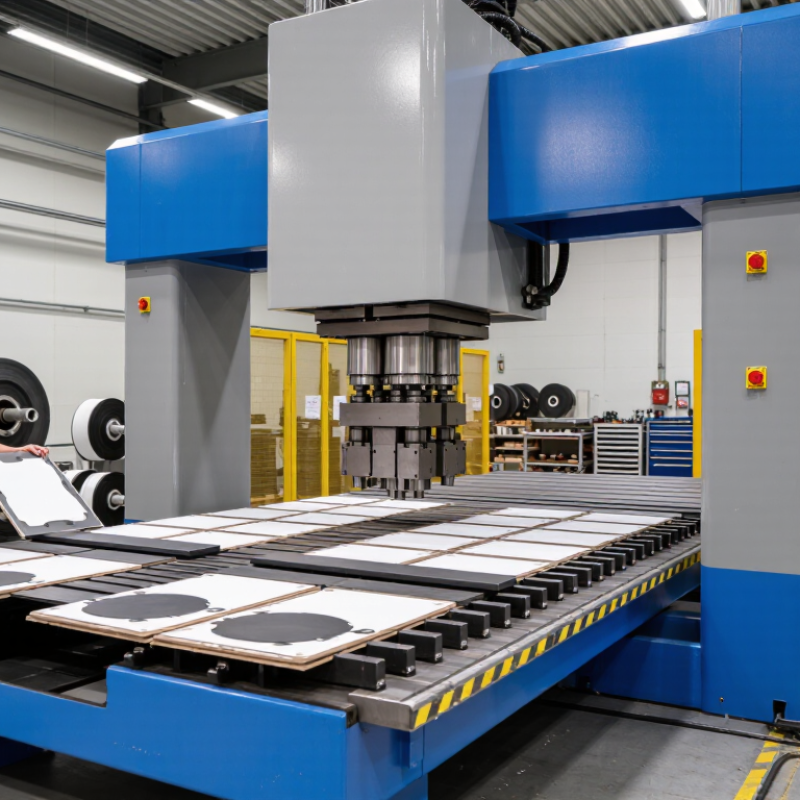
A hydraulic cutting machine uses fluid pressure to drive a blade or platen through sheet material. An electric motor runs a pump, which moves oil into a cylinder. Pressure pushes a piston, converting hydraulic force into a controlled cutting stroke. Depending on the design, the machine may use a moving blade, a press plate, or a shaped die. It can cut materials such as leather, rubber, foam, gasket stock, and some plastics. The right setup depends on thickness, hardness, and cut shape. It is not a one-setting tool.
During a typical cycle, an operator positions the material on the bed, aligns the die or cutting line, and activates the controls. The cylinder advances, the blade applies force, and the ram retracts. A consistent cut depends on more than pressure: blade condition, bed support, alignment, and material placement all matter. Small details matter. A dull edge may compress foam instead of cutting it cleanly, while uneven stacks can produce mismatched parts. Guards and emergency stops help reduce exposure to moving components, but they do not replace training or safe work procedures. Maintenance often includes checking hoses for leaks, monitoring fluid condition, and keeping the cutting surface level. Pressure alone is insufficient. In a busy workshop, setup can take longer than expected, and that trade-off is easy to underestimate.
Which Materials and Cutting Tasks Your Business Needs to Handle
Choosing a hydraulic cutter starts with the material, not the machine’s advertised capacity. A sheet-metal shop cutting mild steel has different needs from a workshop trimming rubber gaskets, leather, or layered composites. Check material type, maximum thickness, sheet size, hardness, and required edge quality. Then match the tooling and cutting force to the toughest regular job, not an occasional best-case sample. Small detail, big consequences.
World Steel Association’s World Steel in Figures 2024 reports that global crude steel output reached 1,892.2 million tonnes in 2023, with the United States producing 81.4 million tonnes. These figures do not predict your workload, but they show steel’s scale in manufacturing. For sheet work, compare rated capacity by material and thickness; “maximum capacity” alone can mislead. A hydraulic shear may suit straight cuts, while a press-style cutter with matched dies may better handle repeat shapes or softer sheet materials.
List the actual tasks: straight cuts, blanking, trimming, or repeated parts. Record daily volume and the tightest tolerance. A clean cut on a thin test piece proves little. Ask for a trial using your own material, including its thickest or most variable batch. If edges deform, burrs need extra finishing, or setup takes too long, the machine may not fit—even if its tonnage looks impressive. And yes, the sample can be awkward. That is useful evidence.
Which Safety, Space, and Operating Costs to Evaluate
What Is the Best Hydraulic Cutting Machine for Your Business?
Which Safety, Space, and Operating Costs to Evaluate
A suitable hydraulic cutting machine should match your materials, production volume, and available floor space. Before comparing models, check the maximum cutting force, bed size, and material thickness your jobs actually require. A machine that is too large can waste power and valuable workspace. One that is undersized may slow production or produce inconsistent cuts. Measure doorways and access routes too; delivery clearance is easy to overlook. That matters daily.
Safety features deserve close inspection. Look for guarding around moving parts, accessible emergency stops, and clear operating instructions. Ask how routine maintenance is performed, and whether the machine can be safely isolated during service. Consider who will operate it and what training they need. Specifications are useful, but they do not replace a site-specific risk assessment.
Tips: Measure the proposed footprint, including room for loading, unloading, and maintenance access. Request a full operating-cost estimate that covers energy use, hydraulic fluid, replacement parts, and service. Compare expected costs with your real workload, not an ideal production schedule. Estimates can miss small recurring expenses, so leave room for surprises.
How to Match a Machine to Your Production Requirements
Match the machine to the work, not the biggest number on its specification sheet. Record your common material types, maximum thickness, cut length, and daily batch size. Then compare these with the machine’s rated cutting force, bed size, stroke, and cycle time. Not just tonnage. A machine may have enough force but still struggle with a long cut or frequent, thick-stock cycles. Check how quickly operators can load sheets and remove finished parts, too.
Tips: Run a sample job before purchase. Measure cut quality, cycle time, and setup effort on your own material. Include blade changes and routine maintenance in the estimate. A spreadsheet helps, but it can miss awkward handling around a real shop floor.
Plan for reliable production, not an ideal day. Deloitte and MAPI’s 2024 Smart Manufacturing and Operations Survey found that 86% of surveyed manufacturers viewed smart manufacturing as a key competitiveness driver over the next five years. For a cutting operation, this supports tracking practical measures such as downtime, cycle time, and scrap—not buying automation by default. Ask whether the machine can record useful production data and fit your existing workflow. Leave some capacity for likely growth, but verify that the added capacity justifies its cost. A cautious trial run may change the plan.
