2025 Best Spot Welder Guide for Homeowners and DIY Enthusiasts
For homeowners and DIY enthusiasts looking to tackle various metalworking projects, having the right tools is crucial, and one tool that stands out in the realm of metal joining is the best spot welder. Spot welding offers a quick and efficient means of fusing thin sheets of metal, making it an invaluable addition to any workshop. As we approach 2025, the advancements in technology and design promise to make spot welding even more accessible and effective.
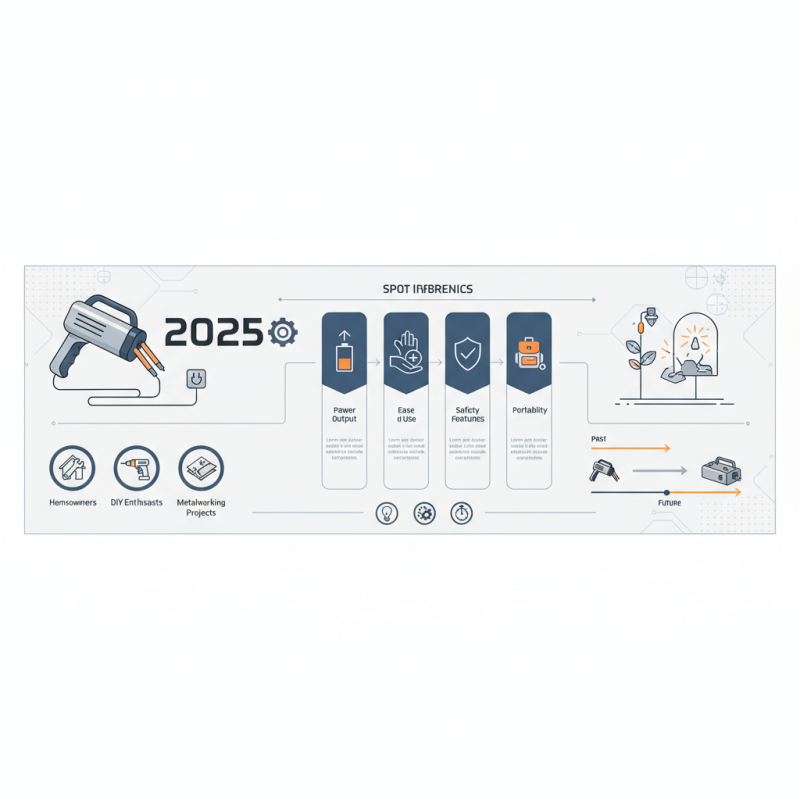
In this guide, we will explore the key features and specifications to consider when selecting the best spot welder for your needs. From portability and power output to ease of use and safety features, understanding the essential elements will help you make an informed decision. Whether you're crafting home decor, repairing items, or embarking on larger projects, the right spot welder can significantly enhance your capabilities and efficiency.
Join us in discovering the top choices available in 2025, and equip yourself with the knowledge needed to choose the best spot welder that aligns with your DIY aspirations. With the right tool in hand, the possibilities for creativity and innovation are limitless.
Understanding Spot Welding: Basics and Applications
Spot welding is a specialized technique widely used in various industries for joining metal components. It is characterized by its ability to create strong, localized welds without requiring extensive equipment or labor. By using a combination of heat and pressure through electrode tips, spot welding rapidly fuses metals at specific points, making it an efficient method for assembly in both manufacturing and DIY projects. Understanding the fundamentals of spot welding, including the necessary safety precautions, is essential for achieving optimal results.
For homeowners and DIY enthusiasts, spot welding offers numerous applications beyond industrial use. This technique can be particularly beneficial when dealing with metal fabrication, automotive repairs, and even crafting projects that require durability and strength. With the right equipment, individuals can effectively repair metal items around the house, create custom metal art, or build functional structures like cabinets and frames. Mastering the basics of spot welding, such as electrode selection, proper spacing, and optimal welding parameters, empowers DIY enthusiasts to take on a variety of projects with confidence.
Key Features to Look for in a Spot Welder
When selecting a spot welder, several key features should be considered to ensure optimal performance for both homeowners and DIY enthusiasts. First and foremost, the power output is crucial. A powerful unit can deliver sufficient heat for welding a variety of materials, including thin metals typically used in home or automotive repairs. Look for a welder with adjustable power settings, allowing you to fine-tune the heat based on the material thickness and type.
Another important feature is the duty cycle. This refers to the amount of time the welder can operate before needing to cool down. For home use, a higher duty cycle ensures that projects can be completed efficiently without long interruptions. Additionally, consider the size and weight of the welder, especially if portability is important for your projects.
A compact and lightweight design can be beneficial for those who need to move their equipment frequently. Ergonomics should not be overlooked; a comfortable grip and a well-positioned trigger can help mitigate fatigue during extended use, making the welding process more pleasant and effective.
Top Five Spot Welders for Homeowners and DIY Projects in 2025
When it comes to tackling home improvement or DIY projects, a reliable spot welder can make a substantial difference in the quality and durability of your work. In 2025, many homeowners and DIY enthusiasts are searching for tools that strike the perfect balance between efficiency, power, and ease of use. The top five spot welders on the market this year cater to a variety of needs and skill levels, making it simpler than ever to achieve professional-grade results.
Among these top contenders, features such as adjustable amperage settings, portability, and user-friendly designs are paramount. These welders not only cater to small-scale projects, like crafting metal furniture or repairing damaged items around the house, but also provide enough versatility for more complex tasks. Many models emphasize safety features, ensuring that both novice and experienced users can handle them with confidence. With insightful recommendations in the best spot welder guide, homeowners can make informed decisions that will enhance their DIY efforts and streamline their projects.
2025 Best Spot Welder Guide for Homeowners and DIY Enthusiasts
| Model |
Power Output |
Weight |
Welding Thickness |
Price Range |
| Spot Welder A |
1500W |
20 lbs |
0.5 - 1.5 mm |
$200 - $300 |
| Spot Welder B |
2000W |
25 lbs |
0.3 - 1.0 mm |
$250 - $400 |
| Spot Welder C |
1800W |
22 lbs |
0.5 - 2.0 mm |
$150 - $250 |
| Spot Welder D |
1200W |
18 lbs |
0.2 - 1.0 mm |
$100 - $200 |
| Spot Welder E |
1600W |
23 lbs |
0.4 - 1.5 mm |
$180 - $280 |
Safety Tips and Best Practices for Using a Spot Welder
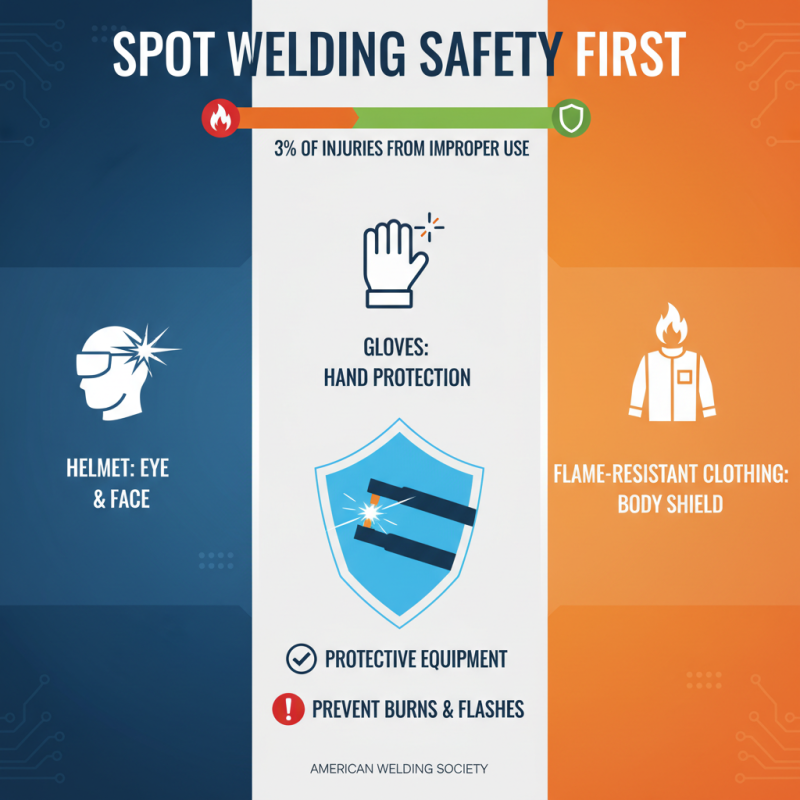
When using a spot welder, safety should always be the top priority. According to a report from the American Welding Society, approximately 3% of welding-related injuries stem from the improper use of welding equipment. Ensuring adequate safety practices not only protects the user but also contributes to the overall success of the project. Always wear appropriate personal protective equipment (PPE), such as welding helmets, gloves, and flame-resistant clothing. This gear is crucial in safeguarding against burns, arc flashes, and other potential injuries.
Tip: Before beginning any welding project, inspect the spot welder for damages and ensure that your workspace is free from flammable materials. Proper ventilation is also essential since the fumes generated can be hazardous. A study by the Occupational Safety and Health Administration (OSHA) points out that inadequate ventilation can lead to health issues over time, emphasizing the importance of working in a well-ventilated area.
Additionally, mastering the techniques of spot welding can lead to better quality joints and safer operations. Stress testing is an often-overlooked practice; verifying the integrity of the welds after completion can prevent future failures. A good understanding of the materials involved and the right settings on your spot welder can significantly reduce risk and improve outcomes. Following these safety guidelines and best practices will enhance your welding experience while minimizing hazards.
Maintenance Tips to Extend the Life of Your Spot Welder
Proper maintenance is essential for homeowners and DIY enthusiasts looking to maximize the lifespan of their spot welders. Regular cleaning is the first step; make it a habit to wipe down the machine after each use. Removing dust and debris from the welding tips and surrounding areas prevents buildup, which can hinder performance and cause overheating. Additionally, check the cables and connections for any signs of wear or damage. Ensuring that the electrical components are in good condition is crucial in preventing safety hazards and ensuring optimal operation.
Another important maintenance tip is to inspect and replace worn-out electrodes regularly. The electrodes are vital for creating strong welds, and as they degrade, their performance diminishes. Using the right electrode material and size for your specific welding project can significantly enhance both the quality of your welds and the longevity of your machine. Lastly, store your spot welder in a cool, dry place, away from moisture and extreme temperatures. This practice will help prevent rust and other environmental damage, ensuring that your welder remains in top condition for all your future projects.