2026 Best Welding Steel Techniques and Tips for Beginners?

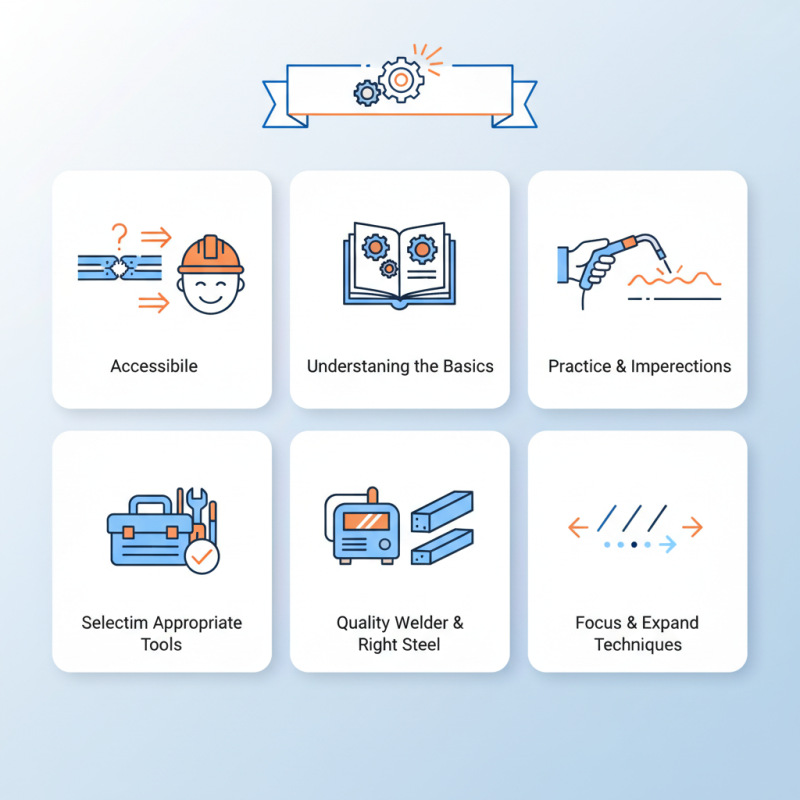
Welding steel can be an intimidating task for beginners. However, with the right techniques and tips, it becomes more accessible. Understanding the basics of welding steel can set you on a path toward successful projects.

Mastering welding steel requires practice. Beginners often face challenges, such as inconsistent welds or difficulty handling equipment. These imperfections are part of the learning process. Each mistake offers valuable lessons.

Moreover, selecting appropriate tools is crucial. Invest in a quality welder that suits your needs. Also, choose the right type of steel for your projects. The variety of welding techniques can be overwhelming. Focus on a few methods at first before expanding your skills. With patience and persistence, you'll gain confidence in your welding abilities.
2026 Best Welding Steel Techniques and Tips for Beginners?

Essential Welding Equipment for Beginners

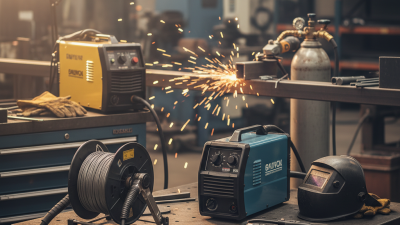
When starting in welding, having the right equipment is crucial. A good helmet protects your eyes and face from sparks. Choose one that fits comfortably. The right gloves are important too. They should be heat-resistant and allow for grip. Welding is messy, so investing in a durable apron can keep you safe.

Consider a basic welding machine suitable for beginners. It should be simple to operate and versatile. Don't overlook the importance of proper ventilation in your workspace. Fumes can be harmful, so ensure good airflow. A fire extinguisher is also essential for safety. Welding can lead to sparks, and being prepared is key.

Tip: Always practice on scrap metal before starting any project. This helps you get comfortable with your machine and techniques. Don't rush; take your time to learn. Unexpected challenges will arise, so embrace them. Experiment with different settings on your welder. Each adjustment can teach you something new. Stay patient and observe the results closely.

2026 Best Welding Steel Techniques and Tips for Beginners - Essential Welding Equipment for Beginners

Technique/Tip Description Essential Equipment Safety Gear
MIG Welding A semi-automatic welding process that uses a continuous wire feed. MIG Welder, Wire Feed Welding Helmet, Gloves
TIG Welding A precise welding method using a tungsten electrode and filler metal. TIG Welder, Tungsten Electrodes Welding Gloves, Frontal Helmet
Stick Welding An arc welding process using a consumable electrode coated in flux. Stick Welder, Electrodes Safety goggles, Work gloves
Choosing the Right Filler Metal Select filler metals that match the base materials for better bonding. Filler Rods, Wire Respirator Mask, Protective Clothing
Proper Joint Preparation Ensure clean and properly aligned joints for strong welds. Angle Grinder, Cleaning Brush Face Shield, Apron

Understanding Different Types of Steel for Welding

2026 Best Welding Steel Techniques and Tips for Beginners?

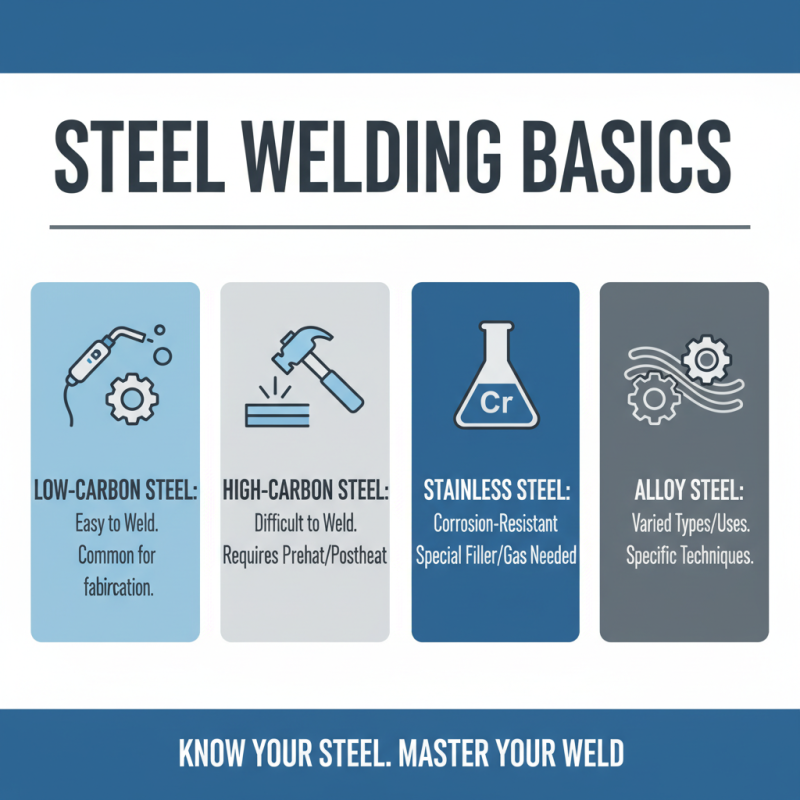
When it comes to welding, understanding different types of steel is essential. Steel is not just one material; it comes in various forms, each with its own characteristics. For beginners, this can be quite overwhelming. There are low carbon steels, high carbon steels, stainless steels, and alloy steels. Each type requires different welding techniques and settings.

Low carbon steel is the most common type used in welding. It's easy to work with and has a high ductility. According to a report by the American Welding Society, around 80% of welding projects use low carbon steels. High carbon steel, on the other hand, is harder and more brittle. It’s challenging to weld, and often, preheating is necessary to avoid cracking.

Stainless steel offers corrosion resistance, making it ideal for various applications. However, the welding process can be tricky. A study published in the Journal of Materials Engineering highlighted that improper technique can lead to weld defects. These defects compromise the integrity of the structure. Alloy steels contain additional elements, enhancing specific properties like strength and toughness. However, the complexity increases, and attention to detail is crucial during welding. Beginners often find themselves struggling with these materials, as the learning curve can be steep.

Fundamentals of Welding Techniques and Methods

2026 Best Welding Steel Techniques and Tips for Beginners?

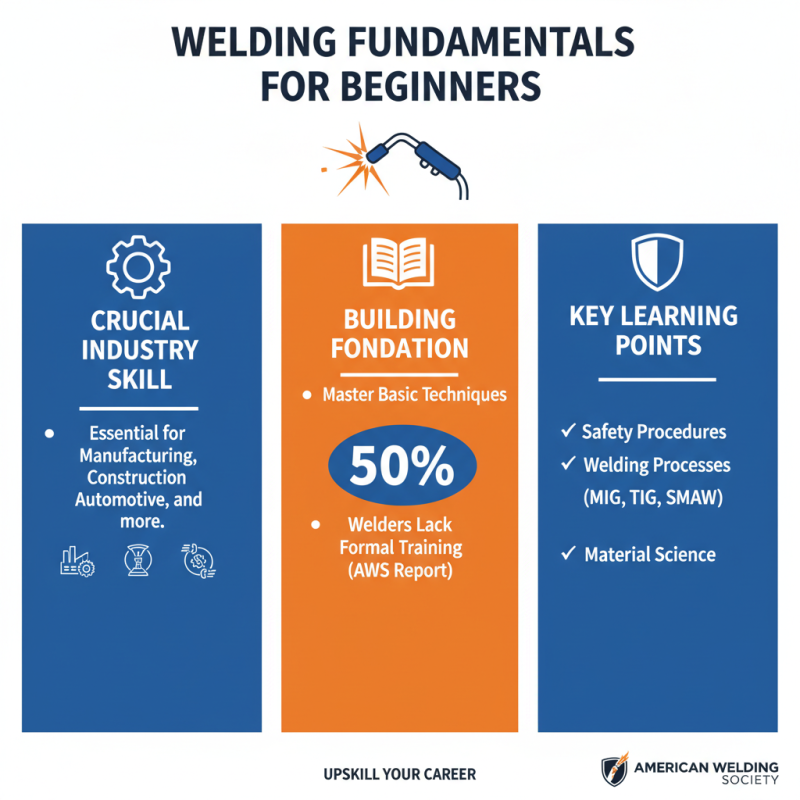
Welding is a crucial skill in various industries. Understanding the fundamentals of welding techniques is essential for beginners. The American Welding Society reports that nearly 50% of welders lack formal training. This indicates a need for better foundational knowledge among aspiring welders.

Proper preparation impacts the quality of welds. Cleaning the metal surfaces is vital to avoid contamination. Contaminated surfaces can cause weak joints. Beginners often underestimate this step. Furthermore, adjusting the right amperage and voltage can greatly affect heat input. Too much heat can lead to warping, while too little may not penetrate fully.

Different welding methods, such as MIG and TIG, have unique advantages. MIG welding is user-friendly, making it ideal for beginners. Conversely, TIG offers precision but requires more skill. Beginners may find themselves frustrated when switching between techniques. Balancing technique and speed can be difficult. With practice, welders can refine their skills over time.

Safety Practices and Precautions in Welding

Welding is a skill that requires both precision and careful attention to safety. According to the American Welding Society, over 500,000 welders work in the United States. Yet, safety is often overlooked. Beginners may underestimate risks, leading to accidents. Proper safety practices significantly reduce workplace injuries.

When setting up for welding, always wear protective gear. A welding helmet is essential to shield your face from sparks and intense light. Use gloves that are specifically made for welding to prevent burns. Remember to wear flame-resistant clothing. Every detail matters, even the type of shoes you wear. Steel-toed boots can protect your feet from heavy equipment.

It's crucial to ensure adequate ventilation when welding. Fumes can be hazardous. Always check for proper airflow in your workspace. Many beginners neglect this aspect, which can lead to respiratory issues. A simple fan or ducting system can make a huge difference.

Lastly, never rush through a welding project. Take your time and review each step. The quality of your work determines your safety. A moment of haste can result in serious accidents. Reflect on your approach and prioritize safety above all.

Tips for Mastering Welding Skills and Improving Results

Welding requires practice and focus. Beginners often struggle with heat control and technique. One tip is to maintain a steady hand. Keep your arc length consistent. A wandering arc can lead to weak joints. If your welds look uneven, adjust accordingly. Each mistake is a chance to learn.

Try different welding positions. This can challenge your control and improve your skills. Some welders prefer flat positions, while others thrive in vertical or overhead. Don't shy away from tough projects. They often provide invaluable experience. Reflect on what didn’t work. This is crucial for growth.

Lastly, pay attention to your equipment. Clean surfaces are essential for good results. Check your electrodes or filler material regularly. Sometimes, using the wrong settings can lead to frustrating outcomes. Make small adjustments and observe the effects. Remember, every weld teaches you something new.

Contact us

Please fill out the enquiry form, and our dedicated team will promptly attend to your request