How to Choose the Best Spot Welding Machine for Your Needs?
Choosing the right spot welding machine is crucial for achieving strong and reliable welds. These machines vary in features, sizes, and capabilities. It’s vital to understand your specific needs before investing.
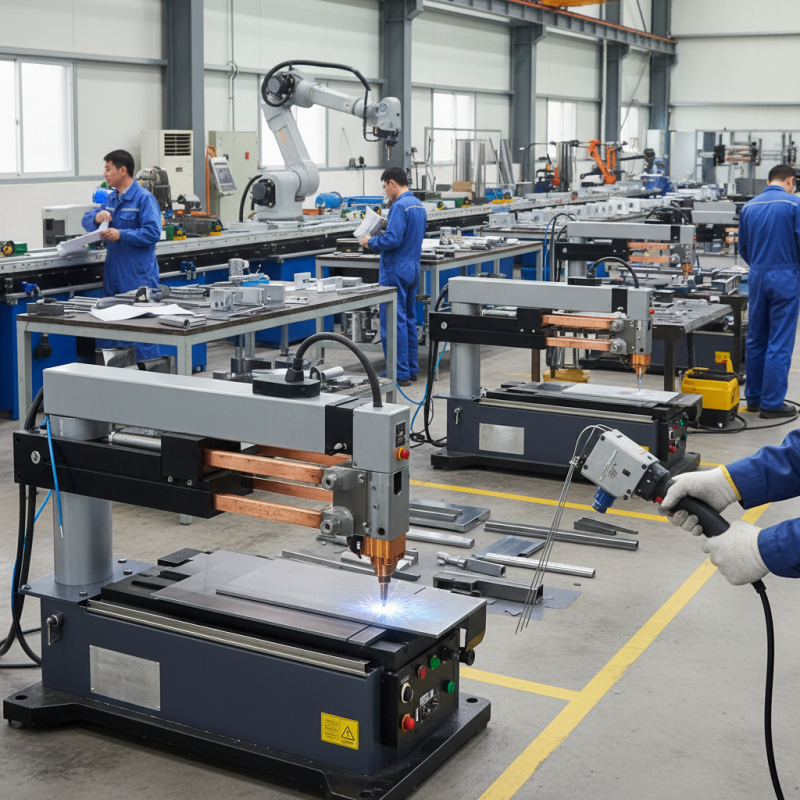
Different industries demand different types of spot welds. For instance, automotive manufacturing requires machines capable of a heavy workload. In contrast, smaller workshops may prioritize portability and efficiency. Evaluating your workspace, the materials you'll weld, and the volume of work will help in making the right choice.
A well-chosen spot welding machine can enhance productivity and reduce errors. However, many overlook this important decision. Investing time in research is essential. Gathering expert opinions and user reviews can illuminate potential options. Reflect on these factors to ensure you select a machine that aligns with your operational goals and standards.
Understanding the Basics of Spot Welding Machines
Spot welding machines are essential tools in various industries. Understanding their basics is crucial for making informed decisions. These machines work by creating small, melted spots to join two metal pieces. This process relies heavily on the right combination of time, pressure, and electrical current.
Different types of spot welding machines exist, each suitable for specific applications. Some machines use heat to join materials, while others may use mechanical pressure. Factors like metal thickness and material type influence the choice of machine. Users often face challenges in selecting machines that meet their specific needs.
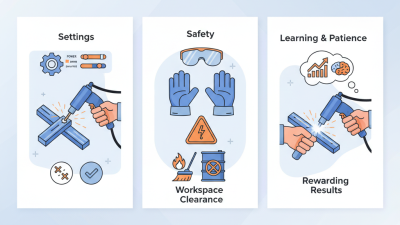
Learning about spot welding techniques and equipment is vital. Training and experience play significant roles in mastering this skill. Embracing a hands-on approach can yield valuable insights. It's important to analyze the machine’s performance and adjust settings accordingly. Continuous learning and adaptation are key in this field.
Comparative Analysis of Spot Welding Machines
Identifying Your Specific Spot Welding Needs
Identifying your specific spot welding needs is crucial for choosing the right machine. Start by considering the materials you'll be working with.
Different metals require different welding techniques. For example, aluminum and steel each have unique properties that influence the welding process.
Think about the thickness of the materials too. Thicker materials need machines with higher power and better penetration capabilities.
Next, assess the volume of work you plan to undertake. Do you have high production demands or occasional repairs? For small projects, a portable machine may suffice.
However, for continuous use in a manufacturing environment, investing in a more robust machine is wise. Additionally, look into the type of power source that best suits your workflow.
Machines can be gas, electric, or even battery-powered, each with its benefits and downsides.
Lastly, consider your experience level. More advanced machines offer features that may be overwhelming for beginners.
Understanding how to use these features effectively is vital. Reflect on your comfort with learning new technologies.
Choosing a spot welder should enhance your efficiency, not complicate your tasks.
Take time to research and match your specific needs with potential machines, ensuring your selection aligns with your welding goals.
Key Features to Consider When Choosing a Spot Welder
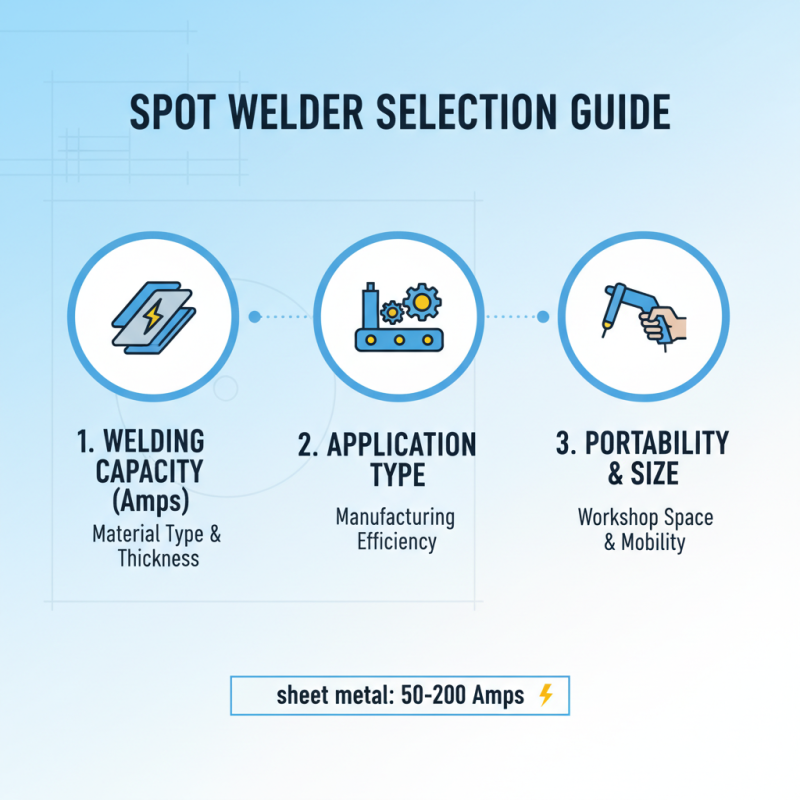
When selecting a spot welding machine, several key features deserve close examination. One crucial aspect is the welding capacity, which should align with the materials you intend to work with. For instance, machines designed for sheet metal typically range from 50 to 200 amps. Understanding your application can significantly impact your manufacturing efficiency.
Another factor to consider is the duty cycle of the machine. This metric indicates how long a welder can operate before it needs to cool down. A higher duty cycle means less downtime. Many commercial-grade machines offer around 60% duty cycles, suitable for regular use in industrial settings.
**Tip:** Assess your production volume. If it's high, consider investing in a machine with a robust duty cycle to avoid interruptions.
Portability might also be an essential feature, especially for fieldwork. Lightweight machines can enhance flexibility, but often at the cost of power. Keep in mind that a machine weighing over 200 pounds typically offers more stability but may limit maneuverability.
**Tip:** Experiment with various models if possible. Real-world testing can reveal insights not available through specifications alone.
Evaluating these features will help clarify which spot welding machine is best for your needs. Balancing capacity, duty cycle, and portability can lead to better outcomes in your projects.
Comparing Different Types of Spot Welding Machines
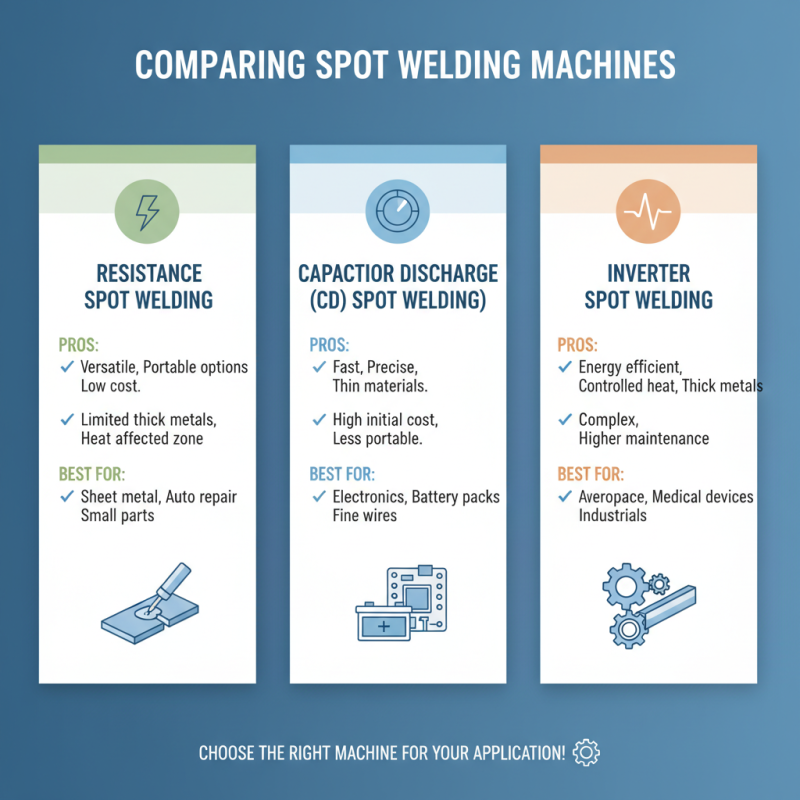
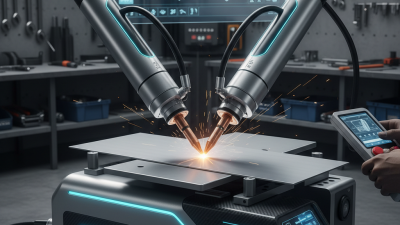
When selecting a spot welding machine, understanding the different types available is essential. Resistance spot welders are commonly used in automotive industries. They excel in joining thin sheets of metal quickly. On the other hand, laser spot welders offer precision and heat control, suitable for intricate tasks. These machines can handle a variety of materials, including stainless steel and aluminum.
Ultrasonic spot welders are another option, frequently chosen for plastics and lightweight metals. They use high-frequency vibrations to create a bond without the need for heat. However, they may not be as effective on thicker materials. Each type has its specific applications and limitations. This presents challenges when selecting the right machine for your project.
Consider your production needs and the materials involved. If high precision is required, laser technology might be ideal. Conversely, for bulk production of similar items, resistance welding may suffice. It's crucial to reflect on your priorities. Cost, efficiency, and versatility play key roles in making the right choice. The process can be overwhelming, but careful consideration makes a difference.
Evaluating Budget and Brand Reliability in Spot Welders
When selecting a spot welding machine, budget and brand reliability play crucial roles. Pricing varies significantly. A basic model may cost around $200, but advanced machines can exceed $2,000. According to industry reports, companies should allocate approximately 10-15% of their budget to quality welding equipment. This investment often leads to improved welding quality and longevity.
Brand reliability is an essential factor. Research shows that machines from reputable brands typically outperform lesser-known alternatives. For instance, around 75% of users report higher satisfaction with established brands. Reliability ensures consistent performance, reducing maintenance costs over time. Choosing a well-reviewed model often results in fewer technical issues and a longer lifespan.
However, not all high-priced models guarantee excellence. Some users experience performance gaps despite the cost. It's wise to examine customer reviews and third-party assessments. Gathering varied opinions can highlight potential shortcomings. Recognizing these challenges contributes to making an informed decision tailored to specific welding needs.