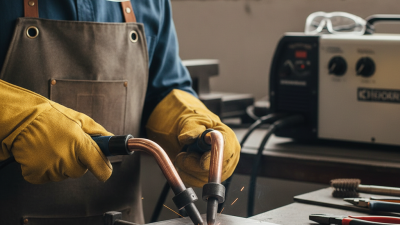
How to Choose the Best Spot Welding Machine for Your Needs?
Choosing the right spot welding machine can significantly impact your work. Whether you are a hobbyist or a professional, understanding your needs is crucial. Spot welding machines vary in features, performance, and price, making it important to explore options carefully.
Consider factors like power, ease of use, and the types of materials you will weld. Some machines are better suited for thick metals, while others excel with thinner sheets. It's essential to visualize your projects and how a particular machine fits into your workflow. Exploring online reviews and user feedback can provide insight.
However, you might find that choosing a spot welding machine is not straightforward. Many machines promise quality but fall short in performance. Sometimes, personal experience with a machine reveals unexpected issues, like overheating or inadequate power. Reflecting on past choices may guide your decision, helping you pick the right model for your needs.
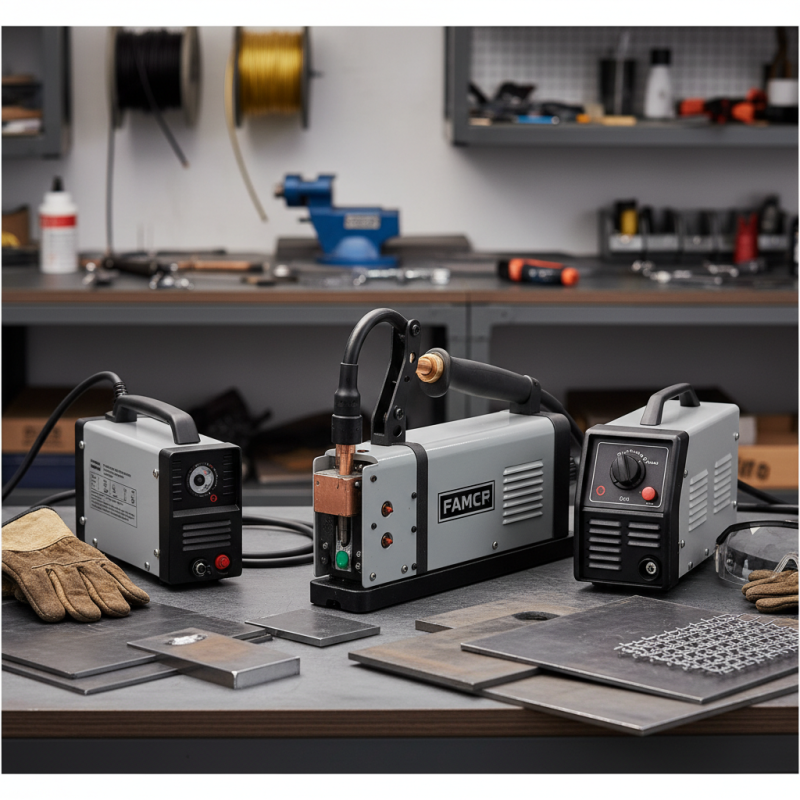
Understanding the Basics of Spot Welding Machines
Understanding spot welding machines is crucial for various industries. Spot welding is a process where metal pieces are joined together at specific points. This method is fast and efficient, often used in automotive and manufacturing sectors. According to a report from an industry research group, nearly 40% of all welding processes in the automotive sector are done using spot welding. This demonstrates its importance in production lines.
When selecting a spot welding machine, it’s important to consider several factors. The machine’s capacity, duty cycle, and power supply are key elements. A machine with a higher duty cycle might handle longer production runs. However, high-capacity machines can be expensive and may not be necessary for smaller operations. Often, users underestimate the importance of compatibility with materials. Some machines work best with specific metals, like steel or aluminum.
Practical features also matter. Look for adjustable settings to suit different tasks. Some advanced machines offer digital controls for precision. However, simplicity might work better for smaller shops. Users often overlook training for staff. A well-trained team ensures machines are used effectively. Just one mistake can lead to poor welds and wasted materials. Understanding these basic aspects can significantly enhance production quality.
Understanding Spot Welding Machine Performance: A Comparative Analysis
Identifying Your Specific Spot Welding Needs and Applications
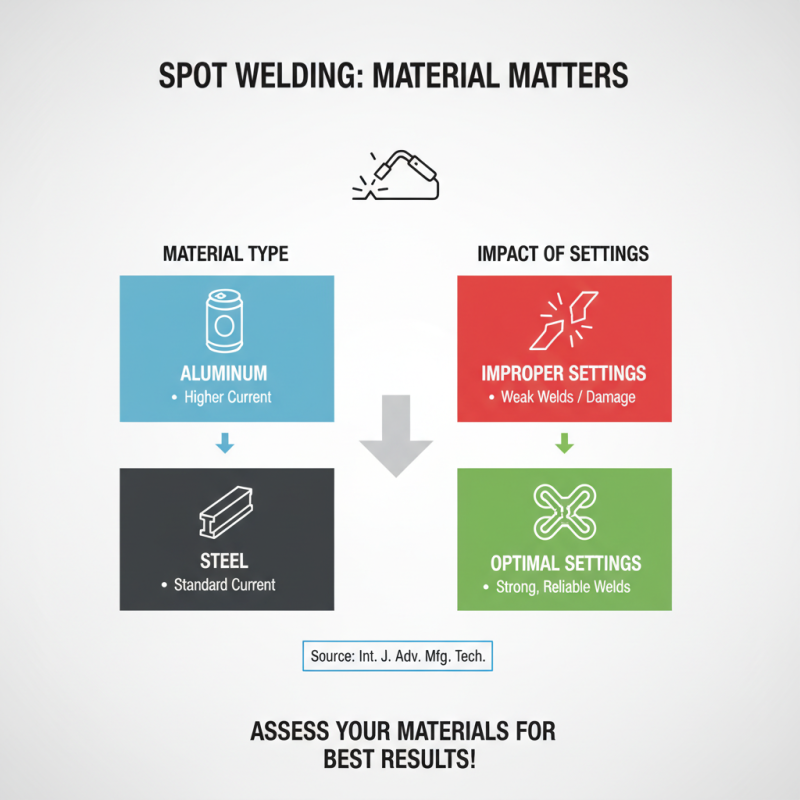
When identifying your specific spot welding needs, start with the materials you'll work with. Different metals require distinct welding techniques. For example, aluminum often demands a higher current than steel. A report by the International Journal of Advanced Manufacturing Technology states that improper settings can lead to weak welds or damage. Assessing your materials ensures optimal results.
Consider the type of projects you'll tackle. Light-duty applications may require portable machines, while heavy-duty jobs necessitate more robust equipment. Maintenance is crucial. Neglect can lead to frequent downtimes. According to industry data, about 30% of machine failures stem from poor upkeep.
Tip: Always test your machine on scrap materials before starting. This helps refine settings without risking project integrity. Don't overlook power supply requirements either. Insufficient power can lead to inconsistent welds. Reflect on the scale of production too. A higher volume may require automatic spot welding systems, which can enhance efficiency.
Key Features to Consider When Choosing a Spot Welding Machine
Choosing the right spot welding machine can be challenging. Many features contribute to the best fit for your needs. One key aspect is its power output. A more powerful machine can handle thicker materials. You don’t want to struggle with insufficient power, so assess your typical projects carefully.
Another crucial feature is the electrode type. Different materials require specific electrode shapes. This can affect the quality of the weld. Poor welds can lead to weak joints. Take the time to experiment with various electrodes to see what works best for your applications.
Consider portability as well. If you’ll be moving the machine often, weight and design matter. A bulky machine can be cumbersome, limiting where you can work. However, lightweight models might lack some advanced features. Balancing these factors is essential for your workflow. Reflect on your unique requirements before making a decision. The right machine can greatly enhance your productivity and weld quality.
Comparing Different Types of Spot Welding Machines
When comparing different types of spot welding machines, it's vital to understand their core functionalities. There are primarily two types: resistance spot welders and laser spot welders. Resistance welders use electrical current to create heat between metal pieces, making them suitable for a wide range of materials. According to industry reports, they account for around 60% of the spot welding market.
Laser welding, in contrast, is more precise and can be used on thinner materials. It has gained popularity, especially in the automotive and aerospace industries, which require fine accuracy. Experts claim that laser spot welders can reduce heat-affected zones by nearly 50% compared to traditional methods. However, the investment in laser systems can be substantial. This can deter smaller businesses from exploring their benefits.
Additionally, cost factors should be considered. Resistance welders may come with lower initial costs but can incur higher maintenance expenses over time. On the other hand, lasers may offer longevity yet require skilled operators to maximize their potential. Many businesses have reported difficulties in balancing these costs effectively. Reflecting on these points could lead to better decision-making in the long run.
How to Choose the Best Spot Welding Machine for Your Needs? - Comparing Different Types of Spot Welding Machines
| Type of Spot Welding Machine |
Power Source |
Max Weld Thickness (mm) |
Applications |
Portability |
Price Range (USD) |
| Transformer Spot Welder |
AC |
1-3 |
Automotive, HVAC |
Stationary |
300 - 600 |
| Inverter Spot Welder |
DC |
1-4 |
Sheet Metal, Furniture |
Portable |
500 - 1200 |
| Pneumatic Spot Welder |
Compressed Air |
2-5 |
Electronics, Appliances |
Stationary |
700 - 1500 |
| Portable Spot Welder |
Battery |
0.5-2 |
Maintenance, On-Site Work |
Highly Portable |
200 - 500 |
Evaluating Budget and Brand Reputation for Spot Welding Equipment
When choosing a spot welding machine, budget and brand reputation play crucial roles. According to recent market reports, over 40% of buyers prioritize brand trustworthiness. A reputable brand often signals quality and reliability. Equipment from well-known manufacturers typically undergoes rigorous testing. This assurance can mitigate concerns about machine failure or subpar performance.
Budget considerations are vital. A study conducted by a leading industry analyst indicates that 70% of consumers find satisfactory equipment within a specific price range. Understanding what you can afford helps narrow down options. Beware of machines that seem inexpensive, as they may compromise quality. Investing a bit more can often lead to improved durability and performance.
Brand reputation often reflects customer satisfaction. Look for reviews and testimonials. One recent survey found that 65% of users reported a better experience with established brands. However, it’s essential to cross-check these claims. Not every popular brand meets every need. Some lesser-known manufacturers may offer surprisingly effective solutions at competitive prices. Always weigh these factors to make an informed choice.