How to Choose a Resistance Spot Welder for Your Projects?
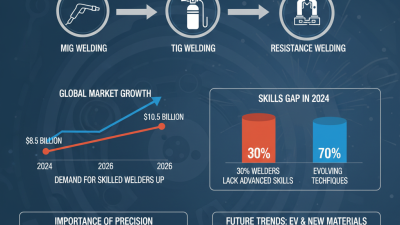
Choosing a resistance spot welder is crucial for your projects. The global market for resistance spot welding equipment is anticipated to grow significantly, reaching approximately $3 billion by 2026, according to market research reports. This underscores the increasing importance of quality welding tools in manufacturing and repairs.
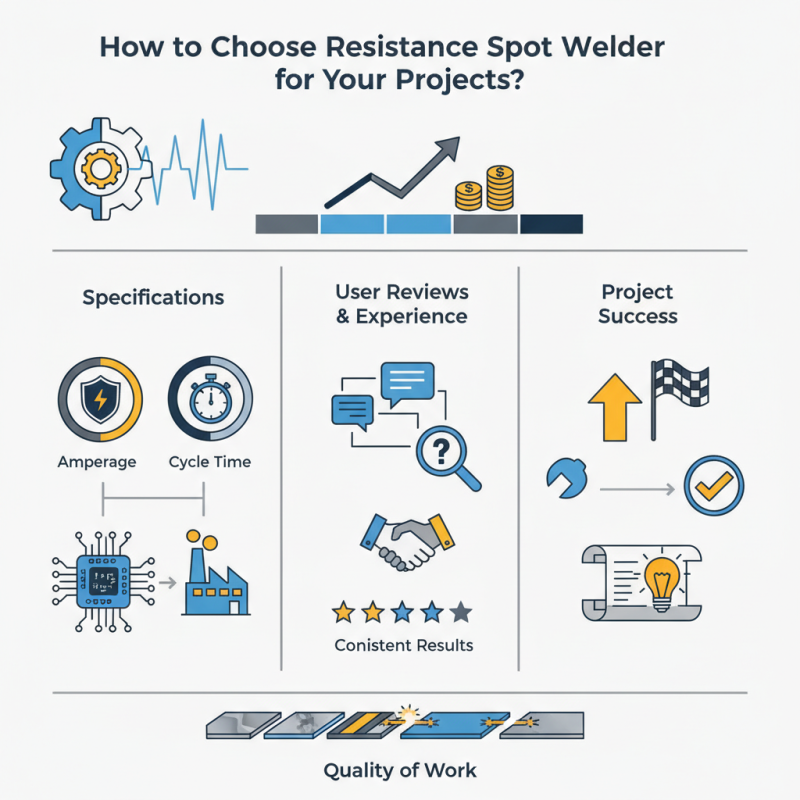
Understanding the features of a resistance spot welder can be challenging. There are numerous brands and models available. Many users overlook essential specifications. For example, amperage and cycle time are critical indicators of performance. High-frequency welds require a machine that can keep up. It's vital to evaluate what suits your specific needs best.
Additionally, integrating user reviews can offer practical insights. Often, the first choice may not be ideal after all. Some machines may fail to deliver consistent results. Reflecting on various user experiences helps clarify what works well. This process reduces frustration and enhances project success rates. Ultimately, selecting the right resistance spot welder can significantly improve the quality of your work.
Understanding Resistance Spot Welding Basics
Resistance spot welding is a vital technique in metalworking. It uses electric current to create welds between overlapping metal pieces. Understanding its basics helps make informed decisions when choosing a welder.
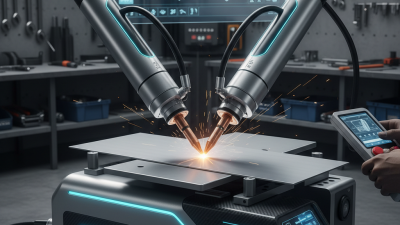
The process involves applying pressure and electrical energy. This creates heat at the joint, fusing the metals together. One key feature to consider is the welder's electrode type. Copper electrodes are popular. They provide good conductivity and durability. However, some users may overlook the wear and tear on electrodes. Regular inspection is crucial to maintain quality welds.
Another aspect is the power output of the welder. Higher power can be beneficial for thicker materials. Yet, it's essential to balance power and precision. Too much heat can lead to burn-through. Users must practice to refine their skills. Experimentation can reveal the optimal settings for various projects. This hands-on experience often uncovers unforeseen challenges.
Key Features to Consider in a Resistance Spot Welder
Choosing a resistance spot welder involves understanding key features that influence your project's success. One critical factor is the machine's power output. A welder with adjustable power levels allows you to work with different materials. This flexibility enhances your ability to create strong welds in various applications.
Another feature to keep in mind is the electrode quality. Quality electrodes last longer and deliver more consistent results. You might find that cheaper options wear out quickly, leading to increased costs and more rework. Consider the size and shape of the electrodes as well. They should fit well for the project requirements you have in mind.
Look for user-friendly controls as well. A machine that is complicated can lead to mistakes and frustration. You want something that allows for precise adjustments without overwhelming you. Think about the overall weight and portability too. A heavy welder may be stable but can limit where you can work. Always reflect on your specific needs before making a decision. Balancing these features can sometimes be challenging but is essential for achieving high-quality results.
Assessing the Types of Projects Suitable for Spot Welding
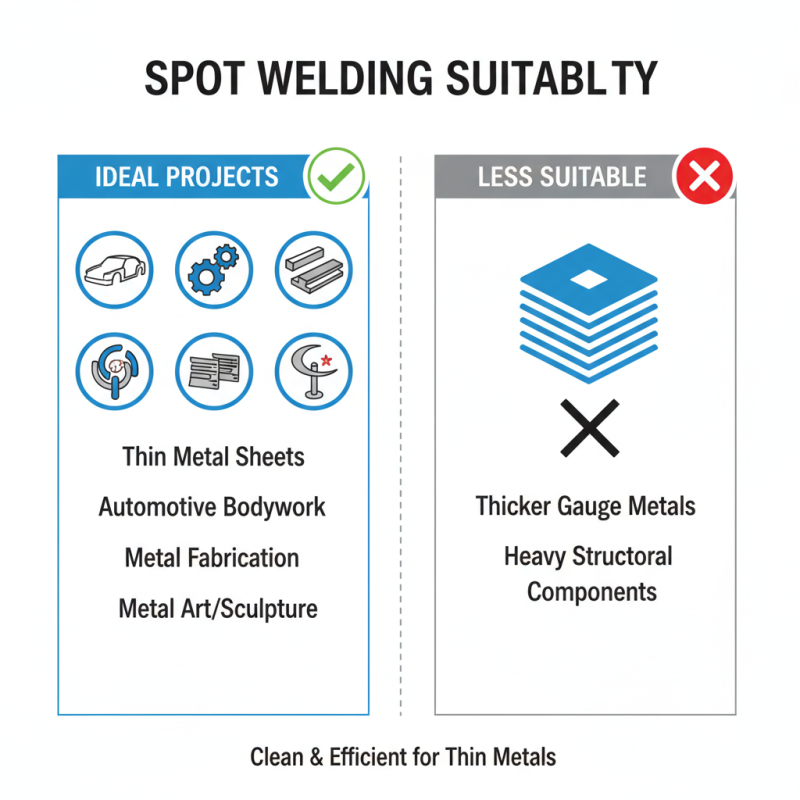
When considering spot welding, it's crucial to assess the types of projects you'll be undertaking. Spot welding is ideal for joining metal sheets. It’s especially effective for automotive work, fabrication, and even art. If your projects involve thin metals, this technique will offer clean and efficient results. However, it's not the best choice for thicker materials.
Tips: Ensure your metal surfaces are clean. Contaminants can compromise weld quality. Also, think about the accessibility of your work area. Tight spaces may require smaller equipment.
Many hobbyists struggle with different thicknesses of metals. This can lead to weak welds or excessive heat. It can be frustrating to realize a weld didn’t hold. If you plan to work with varying metal gauges, ensure your welder is adjustable. Learn to test settings before committing to the final pieces. Practice on scrap materials, and refine your technique. Spot welding demands precision, so don’t rush the learning process. It’s about growing your skills, not just completing projects.
Evaluating Power and Performance Requirements for Your Welder
When selecting a resistance spot welder, evaluating power and performance is crucial. Your project’s needs dictate the specifications you should consider. High-quality welds need adequate power. A welder with insufficient amperage will yield weak joins. This can lead to failures in structural integrity. Consider what materials you will be using—thicker metals require more power to achieve a strong bond.
Performance also involves heat control. Excessive heat can distort your materials. On the other hand, too little heat won't create a reliable weld. Look for welders with adjustable settings. This flexibility allows you to adapt to different materials and thicknesses. A machine that is too simplistic might not meet diverse project requirements.
Power ratings can be misleading. A welder with high ratings may not perform well in all scenarios. Real-world testing can often reveal hidden flaws. It’s essential to gather reviews and insights from those who use these machines. Understand that trial and error might be part of your learning curve. Investing time in understanding these elements can save you future frustrations.