How to Choose the Best Cold Rolled Coil for Your Project?
Choosing the right Cold Rolled Coil for your project is crucial. The market for cold rolled steel has reached a value of approximately $394 billion as of 2022. The growing demand in various sectors highlights the importance of making informed decisions.
Understanding your project's specific requirements is essential. Cold Rolled Coils can vary widely in thickness, width, and finish. For instance, lower gauge coils are often used in structural applications, while finer gauges serve in automotive and appliance industries. The versatility of this product emphasizes the need for a thorough evaluation.
Moreover, quality isn't always consistent across suppliers. Reports indicate that up to 20% of cold rolled products fail to meet industry standards. This gap can lead to significant issues in manufacturing and construction. Thus, it is vital to research and select a supplier that guarantees quality and reliability. Your project's success may depend on this critical choice.
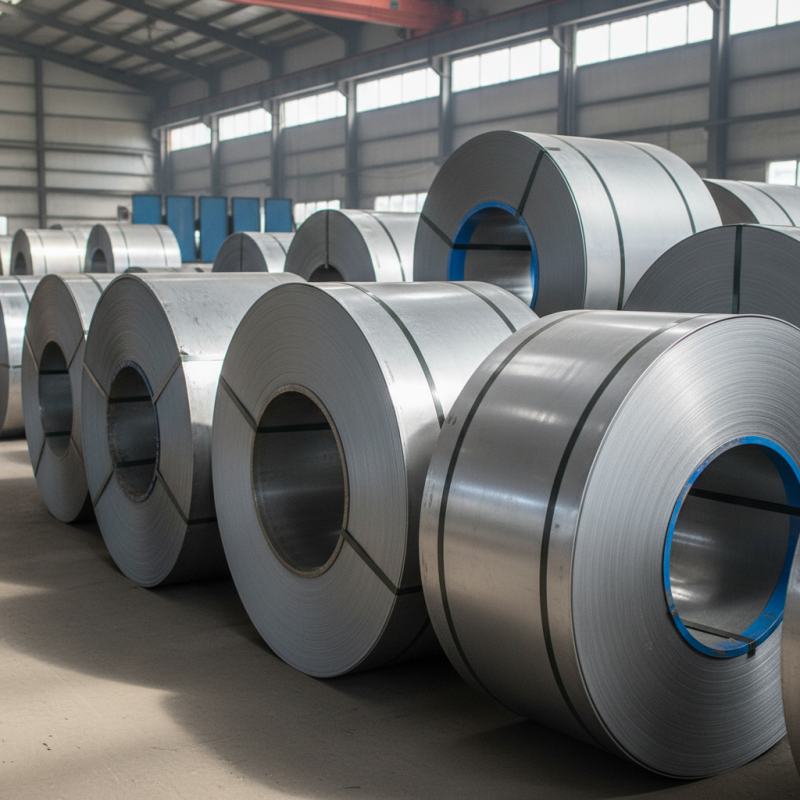
Factors to Consider When Selecting Cold Rolled Coil for Your Project
When selecting cold rolled coil for your project, several factors come into play. First, consider the thickness of the coil. It impacts the strength and weight of your final product. A thinner coil might be easier to work with but may lack durability. On the other hand, a thicker coil provides more strength but can be harder to manipulate. Keep in mind the intended use of the material. If it needs to withstand pressure, thickness becomes critical.
Surface finish is another essential aspect. Different finishes can affect both aesthetics and performance. A smooth finish may be required for visible components. However, you might face challenges with scratches during handling. Pay attention to the coating options as well. Certain coatings provide better corrosion resistance. Yet, they come with additional costs and processing considerations.
Lastly, gauge the availability of the coil. Sometimes, the best selection can face long lead times. This delay can set back your project timeline. It's important to balance quality, cost, and delivery time. Finding that sweet spot requires careful thought and may involve some compromises. Don’t overlook these details as they can affect your project's outcome significantly.
Understanding the Different Grades of Cold Rolled Steel and Their Applications
Choosing the right grade of cold rolled steel is crucial for your project's success. Cold rolled steel is known for its superior surface finish and tight tolerances. It has various grades, each designed for specific applications. The grades generally vary in mechanical properties, such as yield strength and tensile strength.
For instance, the deep drawing steel grades (like DC01) are ideal for parts that require extensive deformation, such as automotive components. Reports indicate that these grades have yield strengths ranging from 195 to 270 MPa. On the other hand, higher-strength grades (like DP600) feature improved tensile strength up to 600 MPa, making them suitable for structural applications.
However, the choice of grade is not without challenges. Misunderstanding the requirements can lead to using a lower-strength steel when a higher-grade is essential. This oversight can compromise safety and durability. Some projects fail to account for environmental factors, like corrosion resistance, which can affect performance over time. Ultimately, while the options are diverse, making the right selection requires careful consideration of both mechanical properties and intended use.
Evaluating Thickness and Width Specifications for Specific Project Needs
Choosing the right cold rolled coil requires careful consideration of thickness and width. The specifications significantly impact the performance and appearance of your final product. For instance, thicker coils can offer increased strength and durability, but they may also add weight. If your project demands a lightweight design, a thinner coil may be more appropriate.
Width is another crucial factor. Narrow coils work well for smaller components, while wider options can better suit larger assemblies. However, wider coils may lead to increased waste if not properly measured. Consider your cutting process and overall design before making a choice.
Sometimes, you'll find that the ideal thickness or width isn't readily available. This could be frustrating and may lead to compromises. Always ensure the specifications align with your project’s requirements. If you choose a coil that doesn't fit, you're likely to encounter issues later on. Reflecting on these choices can help avoid pitfalls in future projects.
Cold Rolled Coil Thickness and Width Specifications
This chart illustrates the relationship between the thickness and width specifications of Cold Rolled Coils. As the thickness increases, the width varies, providing valuable insights for project requirements.
The Role of Surface Finish in Cold Rolled Coil Selection and Performance
Surface finish plays a crucial role in the performance of cold rolled coils. A high-quality surface finish reduces defects during processing and enhances the aesthetic appeal of the final product. According to a report by the Metal Forming Association, nearly 40% of manufacturers experience delays due to surface imperfections. These defects often lead to increased costs and wasted materials.
Different surface finishes, such as mill finish, polished, and coated, deliver varying advantages. For instance, a polished surface can significantly improve corrosion resistance. The same report indicates that properly treated surfaces can last up to 50% longer in harsh environments. Yet, achieving the right surface finish isn’t straightforward. Many factors, such as cleaning processes and coating methods, can affect the final quality.
You might encounter challenges in selecting the ideal surface finish. Some finishes require more extensive maintenance, while others may not suit your specific application needs. It’s essential to evaluate your project demands and consider how the surface finish impacts performance and longevity. Don't overlook the need for testing samples. This approach can prevent costly mistakes down the line.
Cost Analysis: Comparing Prices of Cold Rolled Coil from Various Suppliers
When considering cold rolled coils, cost is a crucial factor. Prices can vary significantly based on quality, thickness, and supplier. A recent industry report reveals that prices range from $600 to $900 per ton. This volatility can depend on market demand and raw material costs. For instance, fluctuations in steel prices have been observed, impacting overall costs.
It's important to gather quotes from multiple suppliers. This approach helps to identify competitive rates. However, the cheapest option may not always guarantee the best quality. Quality assessments from material specialists suggest that lower-priced coils can lead to increased failure in projects. Always evaluate the specifications and the performance track record of the material.
Moreover, local and international tariffs may influence pricing. These factors add to the total cost. It’s worth noting that while some suppliers are eager to offer discounts, one must consider the long-term implications. Investing in higher quality could save money down the line. Always be aware of what a lower price might mean for your project in the future.
