How to Choose the Best Textiles Foam Lamination Machine?
Choosing the best Textiles Foam Lamination Machine can be a daunting task. Industry expert Dr. Emily Carter once stated, "Selecting the right machine is critical for quality output." Her insight captures the importance of thorough research.
The right Textiles Foam Lamination Machine affects production efficiency and product quality. Many options exist, but not all machines suit every operation. Consider your specific needs, including material type and production scale. Machine specifications often differ significantly. Many buyers overlook critical factors, leading to regrets later.
Exploring customer reviews can provide valuable insights. Understanding common pitfalls may guide your decision. Not all machines are built for durability or ease of use. Reflect on your options carefully and seek expert advice when necessary. By doing so, you enhance the potential for success in your operations.
Understanding the Basics of Textile Foam Lamination Machines
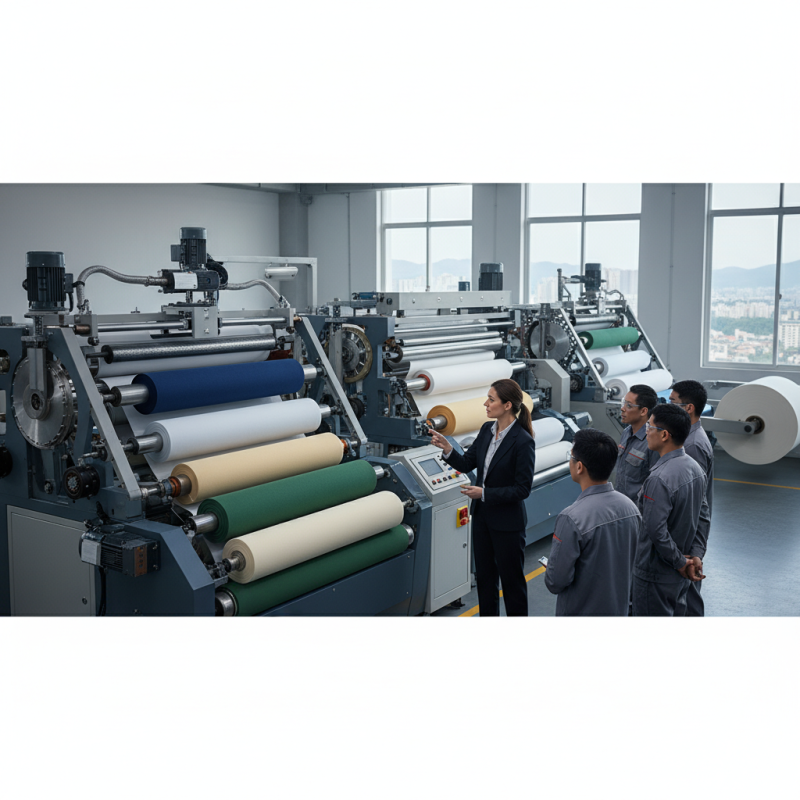
Textile foam lamination machines play a crucial role in the manufacturing process of various textile products. Understanding the basics of these machines can enhance production efficiency and product quality. Typically, these machines use heat and pressure to bond foam materials to fabrics, creating items like upholstered furniture and mattresses. According to a study by the Technical Textiles Association, the global textile lamination market is projected to reach $22 billion by 2025, showcasing the importance of these machines in the industry.
Selecting the right machine involves considering various factors, such as material compatibility and production volume. Different machines cater to specific lamination techniques, which can significantly impact production costs. For instance, some machines handle woven fabrics better while others are more efficient with non-woven types. It’s essential to evaluate your specific needs before making a decision.
Tip: Always assess the energy efficiency of machines. Reducing energy consumption not only saves costs but benefits the environment too.
Moreover, analyzing maintenance requirements is vital. Regular upkeep can prevent downtime and enhance the machine's lifespan. Some machines may present challenges in terms of repairs, leading to longer lead times.
Tip: Create a maintenance checklist. Regular inspections can save you from unexpected breakdowns.
When choosing a textile foam lamination machine, understanding your unique production needs will guide you toward a suitable option.
Key Features to Look for in Foam Lamination Machines
When selecting a foam lamination machine, various features are essential for ensuring efficiency and quality. One of the key aspects is the machine's laminating speed. A higher speed can boost productivity, yet it's crucial to balance speed with the quality of lamination. According to industry reports, machines with speeds exceeding 10 meters per minute can significantly enhance output without compromising on adhesion quality.
Another important feature is the temperature control system. Effective temperature regulation ensures optimal bonding between foam and textiles. Machines with advanced temperature controls can minimize variations, leading to a more consistent final product. Data shows that machines with precise temperature settings reduce defects by up to 25%.
Tips: Always check for user-friendly interfaces. A machine that is easy to operate can save time during training sessions. Additionally, consider the machine's maintenance requirements. A complicated maintenance routine may lead to increased downtime.
Finally, flexibility in handling various foam types is crucial. Choose a model that can adapt to different materials. This can prevent the need for multiple machines, saving costs and floor space. Reliability is also vital. A study indicates that machines with a solid warranty and service support are often more trustworthy in the long term.
Comparing Different Types of Lamination Technologies
When evaluating lamination technologies, it’s essential to understand their distinct advantages. The two primary methods are heat lamination and adhesive lamination. Heat lamination utilizes heat and pressure to bond materials, often resulting in a more durable finish. Reports indicate that this method can improve adhesion strength by up to 40%. However, it may require more energy, raising operational costs.
On the other hand, adhesive lamination involves applying a layer of adhesive for bonding. This technology is often used for lightweight fabrics. It allows for quicker setups and lower energy consumption. However, the long-term durability might not match that of heat lamination. Industry studies show it can reduce material waste by approximately 30%, making it a more eco-friendly option.
Choosing between these technologies depends on specific project requirements. The need for high durability might favor heat lamination, while the desire for flexibility could lean towards adhesive methods. Reflecting on these factors is crucial. A mismatch between technology and application can lead to unexpected failures and increased production costs. Making informed decisions not only enhances quality but also optimizes resource management.
Evaluating Production Capacity and Efficiency Requirements
When selecting a textiles foam lamination machine, evaluating production capacity and efficiency is crucial. The volume of materials processed daily impacts your output. A machine must align with your production goals. High-capacity machines can handle larger orders but may demand more space and initial investment.
Consider the material types you will laminate. Different materials require specific machine settings. A versatile machine can adapt but might compromise speed. Efficiency also hinges on operator training. Inexperienced staff might slow down production. Establish a balance between machine capability and human skill.
Analyze your workflow. A machine that fits seamlessly into your current process can enhance overall productivity. If the machine cannot keep up with demand, it hampers growth. A deep understanding of your needs is vital. Reflection on each choice leads to better decision-making.
Assessing Budget and Cost-Effectiveness in Your Selection
Choosing the right textiles foam lamination machine involves careful consideration of budget and cost-effectiveness. Understanding your financial limits is essential. A machine with a higher initial cost may deliver better quality and efficiency. Yet, it’s vital to ensure that this investment aligns with your production needs and financial capacity.
Evaluate the long-term benefits of the machine. Consider maintenance costs, energy consumption, and operational efficiency. These factors can significantly impact overall expenses. Sometimes, a less expensive machine may require frequent repairs, leading to higher expenses over time. Look for machines known for their durability and reliability.
Tips: Always check for reviews and experiences from other users. Their insights can provide valuable information about the machine’s performance. Explore options for financing or leasing to spread out costs. This approach can help manage your budget effectively. Be wary of machines that seem too cheap; they often come with hidden costs. Balancing quality with price is essential for a sustainable investment.
Cost-Effectiveness Analysis of Textiles Foam Lamination Machines