Why Choose the Best Ship Loader for Your Bulk Shipping Needs?
In bulk shipping, choosing the right Ship Loader is crucial for efficiency. According to a report by Market Research Future, the global ship loader market is projected to grow at a CAGR of 4.2% over the next five years. This growth emphasizes the importance of selecting a reliable loader that can withstand operational demands.
Expert in bulk handling systems, Dr. James T. Parker, states, "Investing in the best ship loader can significantly affect throughput and operational costs." His insights highlight the impact of equipment on shipping efficiency. Many companies overlook the potential return on investment when choosing a ship loader.
Selecting the best ship loader involves careful consideration. While price is essential, factors like durability and support should also guide your decision. Investing in quality can lead to fewer breakdowns and reduced maintenance costs in the long run. Oversights in equipment choice can lead to wasted time and resources.
Understanding the Importance of Ship Loaders in Bulk Shipping
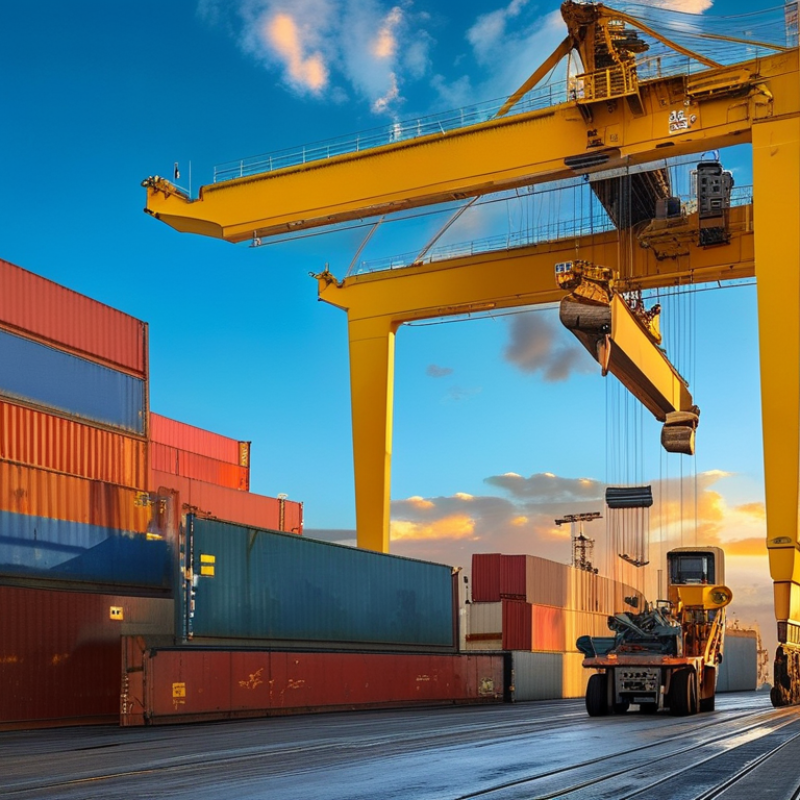
Ship loaders play a pivotal role in the efficiency of bulk shipping operations. Their primary function is to transfer bulk materials from land-based transportation to ships. This process must be handled carefully to prevent product loss and maintain high throughput. Effective ship loaders enhance the speed of operations, ensuring vessels can be loaded quickly and leave port on schedule.
Choosing the right ship loader can impact productivity significantly. Inadequate equipment can lead to cargo spillage and delays. It’s crucial to assess the specific needs of your operation, including the type of cargo and loading environment. Investing in reliable technology can reduce maintenance costs and improve overall safety.
Tips for selecting a ship loader include evaluating its capacity and compatibility with your material. Look for features that enhance flexibility for different types of cargo. Ensure the loader's design allows for easy maintenance access. Reflect on your current operation's challenges and consider how upgraded equipment could resolve them. Efficiency gained today can lead to cost savings in the long run.
Key Features to Look for in an Ideal Ship Loader
When selecting the best ship loader for bulk shipping, understanding its key features is crucial. Efficiency is paramount. Look for equipment that minimizes loading time. A fast loading rate can significantly reduce port congestion. This is especially important during peak shipping seasons. A reliable ship loader streamlines operations and enhances productivity.
Material handling should be versatile. Choose a loader that can handle different types of bulk materials. Whether it’s coal, grain, or ores, flexibility is essential. It should also accommodate various vessel sizes. Adaptability to different loading conditions improves operational efficiency. Safety features must not be overlooked. Emergency stop buttons and safety barriers should be standard. These features protect workers and prevent accidents.
Consider the ease of maintenance too. Regular maintenance ensures longevity and efficiency. A ship loader that is easy to service minimizes downtime. It's crucial for maintaining a steady workflow. Also, assess the stability of the machine during operation. A stable loader reduces the risk of tipping or mechanical failure. Each of these features contributes to better overall performance, making your shipping operations more reliable.
Types of Ship Loaders and Their Applications in Bulk Handling
When selecting a ship loader for bulk shipping, understanding the types available is crucial. Each type serves distinct applications in the maritime industry. For instance, grab ship unloaders are ideal for handling various bulk commodities like coal and grains. They efficiently load materials into the vessel, ensuring minimal spillage and wastage. Pneumatic ship loaders, on the other hand, are highly effective for fine bulk materials, allowing for dust-free handling. According to the Bulk Handling Systems report, using the right loader can increase loading efficiency by up to 30%.
Consider the operational environment when choosing a ship loader. Some loaders function better in tight spaces, while others are designed for high-capacity loading. For example, ship loaders with telescopic features can reach vessels in various sizes. A report from the International Maritime Organization indicates that modern ship loaders can reduce loading times by 20%, significantly impacting overall logistics costs and scheduling.
Tip: Evaluate the total cost of ownership, not just the purchase price. Maintenance and operational costs can vary significantly across different loader types. Selecting a loader that balances initial cost and long-term efficiency is essential. Investing time in understanding your specific needs will pay off in smoother operations.
Why Choose the Best Ship Loader for Your Bulk Shipping Needs? - Types of Ship Loaders and Their Applications in Bulk Handling
| Ship Loader Type | Loading Capacity (tons/hour) | Application | Typical Materials | Advantages |
| Rail Mounted Ship Loader | 1500 | Port Terminals | Grains, Coal | High efficiency and flexibility |
| Mobile Ship Loader | 800 | Bulk Material Handling | Cement, Fertilizers | Versatile and transportable |
| Fixed Ship Loader | 2000 | Bulk Terminals | Iron Ore, Fertilizers | Stable and high throughput |
| Telehandler Ship Loader | 600 | Port Operations | Granular Materials | Adaptable to various materials |
| Belt Conveyor Ship Loader | 1200 | Bulk Loading Operations | Sand, Gravel | Continuous loading capability |
Factors Influencing the Efficiency of Ship Loaders
When selecting a ship loader, various factors influence its efficiency. The design and technology of the loader play crucial roles. Advanced features, such as automation, can streamline operations. They reduce human error and minimize delays during loading. Moreover, the compatibility of the loader with different bulk materials can greatly affect processing time.
Another key factor is the loader's capacity. A ship loader with a higher throughput can significantly decrease loading time. However, operators must also consider the loader's adaptability to various ship sizes. Flexibility ensures that it can efficiently work with different vessels. Additionally, the reliability of the equipment is essential for continuous operations. Any downtime can lead to financial losses.
Maintenance is often overlooked but is vital for optimal performance. Regular checks on components can prevent unforeseen breakdowns. Operators should also reflect on the existing infrastructure. Are there any limitations that might hinder efficiency? Identifying these issues can pave the way for better decision-making in the future. Efficiency is not just about choice; it’s also about continual improvement and adaptability.
Comparative Analysis: Manual vs. Automated Ship Loading Solutions
When choosing between manual and automated ship loading, it’s important to analyze the pros and cons deeply. Manual systems often rely on skilled labor. This can lead to variability in efficiency and accuracy. Human operators might miss optimal loading positions, causing delays. However, they offer flexibility to adapt to different cargo types.
On the other hand, automated ship loaders provide consistent performance. They often operate faster and with less risk of human error. Automated systems use sensors to optimize loading patterns. This ensures better space utilization in the hold. However, they can have high initial costs and require specialized maintenance. Port operators must weigh these aspects carefully.
Employing a mixed approach may bridge some gaps. Combining both systems can provide reliability while maintaining workforce involvement. Moreover, reviewing past loading projects can reveal valuable insights. Engaging with experienced industry professionals is crucial for informed decisions. Investing in training can further enhance manual loading efficiency, creating a balanced and effective operation.
