How to Choose the Best Spot Welder for Your Needs?
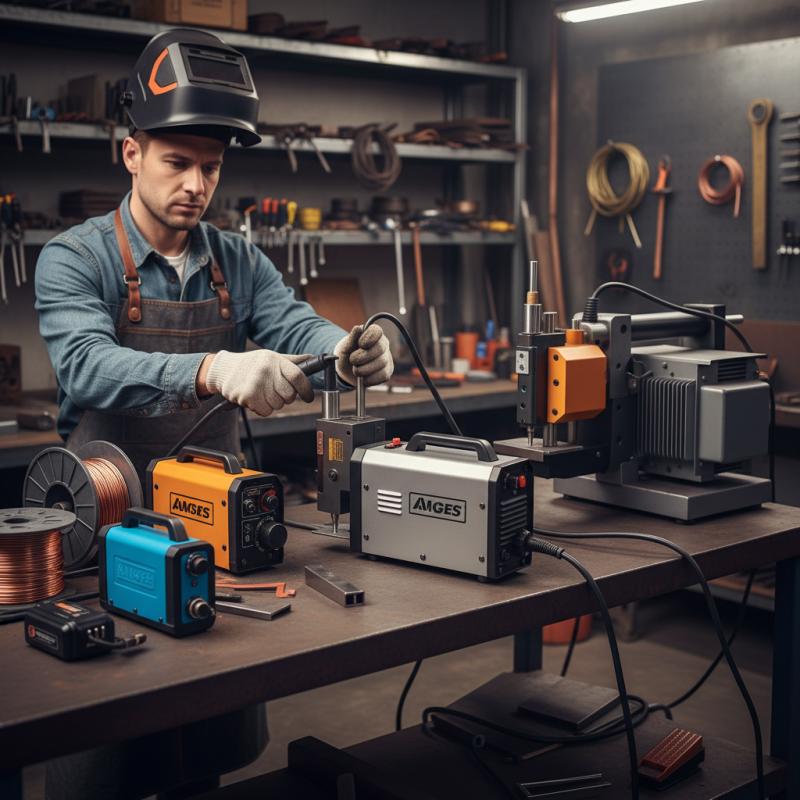
Choosing the best spot welder can be a challenging task. With so many options available, it's easy to feel overwhelmed. Expert welder John Smith remarked, "The right spot welder makes all the difference in precision and efficiency." This insight emphasizes the importance of selecting a machine that suits your specific needs.
Spot welding is essential in various industries, from automotive to electronics. Understanding your projects' demands is crucial. For instance, consider the materials you'll be working with and their thickness. These factors significantly impact which model is suitable for you.
It's also vital to know your budget. High-quality welders often come at a premium, but choosing the cheapest option can lead to poor results. Reflecting on quality vs. cost is important. The best spot welder is not always the most expensive one. Careful evaluation ensures you find the right balance between performance and affordability.
Understanding Spot Welding: Basics and Applications
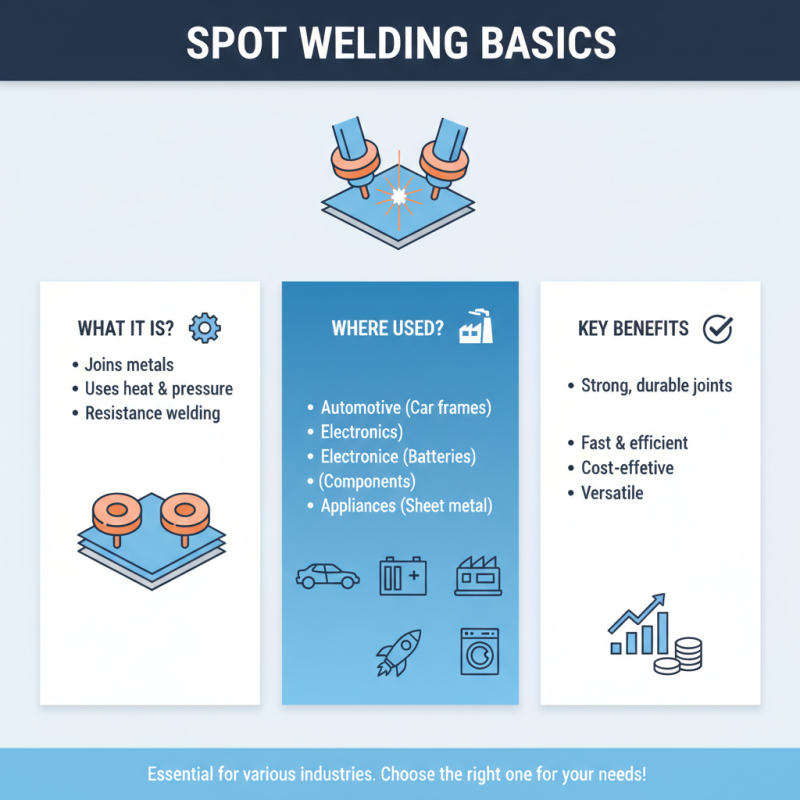
Spot welding is a widely used technique for joining metals. It is essential in various industries, from automotive to electronics. Understanding its basics can help you choose the right spot welder for your specific needs.
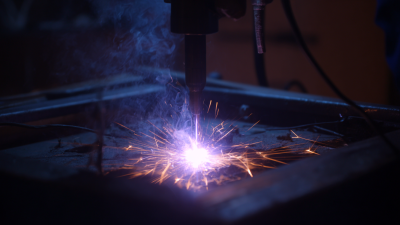
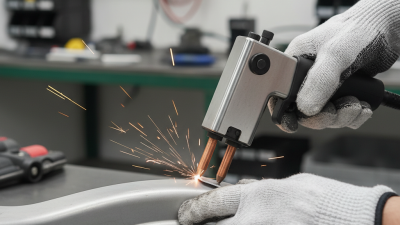
Spot welding involves fusing two metal pieces with heat generated from an electrical current. It creates strong joints at localized points. You will see this process used in creating car frames or manufacturing electrical components. The simplicity of the process is appealing. However, precision is key. If the settings are off or the materials don’t match, the welds can be weak. Testing different settings during practice is crucial.
Many variables affect spot welding. These include electrode pressure, current duration, and material type. Knowing your materials can help avoid mistakes. Sometimes, a test weld may look good but fail under stress. Recognizing this can save time and resources. It's essential to reflect on your past projects. Each experience contributes to better decision-making in future tasks.
Key Factors to Consider When Choosing a Spot Welder
When choosing a spot welder, several key factors come into play. Understanding your specific needs is essential. First, consider the materials you will work with. Different metals require different power settings and techniques. If you're working with stainless steel, for instance, a more powerful unit may be necessary. Lightweight materials like aluminum may need a different approach altogether.
Another important factor is the machine's duty cycle. This refers to how long it can operate before needing a rest. If you plan to use the welder for extended periods, a higher duty cycle will be beneficial. It's practical to assess your workspace as well. A portable unit might be ideal if you have limited space.
Don’t forget about user-friendliness. An overly complex machine can lead to frustration. Testing the unit before purchase is wise; the feel of the controls matters. Keep in mind that while more features can seem attractive, they may complicate simple tasks. Reflect on what you genuinely need rather than being swayed by flashy options.
Types of Spot Welders: Which One is Right for You?
When selecting a spot welder, understanding the types available is crucial. There are two prevailing types: resistance and capacitor discharge welders. Resistance spot welders utilize heat generated from electrical resistance, making them suitable for thicker materials. These welders typically provide consistent results, but they can struggle with very thin sheets, leading to potential burn-through.
Capacitor discharge welders, on the other hand, excel with thin materials. They discharge short bursts of high energy, minimizing heat-affected zones. According to a recent industry report, over 60% of manufacturers prefer capacitor discharge welders for delicate applications like automotive repairs. However, they may not deliver the same strength as resistance welders for heavy-duty tasks.
When choosing, consider the material thickness. If you often work with sheets over 1.5 mm, a resistance spot welder might be your best bet. If you mostly handle materials under 1 mm, a capacitor discharge welder could be more effective. Remember, every project demands different tools. A gap in your current equipment could lead to unsatisfactory results. Balancing performance with versatility is essential in making an informed choice.
Essential Features to Look for in a Spot Welder
When selecting a spot welder, consider vital features that align with your projects. Power settings are crucial. Adjustable power allows for versatility. A simple dial helps manage different thicknesses of materials. Your needs may vary, so targeting the right range matters.
Portability is another essential aspect. If you work in multiple locations, a lightweight design is advantageous. Battery-operated options give you freedom from cords. However, battery life can be a concern. Investing in a welder with a good runtime is wise.
Safety features should never be overlooked. Look for a spot welder with an automatic shutoff. This can prevent overheating. Additionally, a sturdy grip can improve control while welding. Inexperience can lead to mistakes, making comfort a priority. Check user reviews for insights, but be cautious. Experiences can vary widely.
Budgeting for Your Spot Welder: Cost vs. Quality
When selecting a spot welder, cost often clashes with quality. Data shows that cheap welders may cost as little as $100, while high-quality models can exceed $1,000. This gap raises a question. Is saving money worth a potential decline in performance?
Quality welders typically offer better energy efficiency and longer lifespans. Research indicates that investing in a reliable machine can lead to cost savings over time. For example, a durable welder may last five years compared to a lower quality option that could fail within just one year.
However, not every high-priced option guarantees excellence. Some users report inconsistent results even with top-tier models. It is crucial to assess your specific needs. Consider the materials and thicknesses you'll be working with. Are you focused on frequent use or occasional projects? Being honest about your requirements helps align budget and quality effectively.