How to Choose the Best Tyre Pyrolysis Machine

Choosing the right Tyre Pyrolysis Machine requires more than comparing prices, processing capacity, or attractive product photographs. A dependable decision begins with real operating conditions. Consider your tyre supply, moisture levels, wire content, available space, energy access, and expected product quality. A machine designed for 10 tonnes daily may perform poorly when fed inconsistent materials.

Process engineer Dr. A. K. Sinha offers a practical reminder: “A pyrolysis plant is only successful when safety, feedstock, and operating discipline work together.” This principle deserves attention. The cheapest machine may create higher maintenance costs later. Small details matter, too. Inspect reactor thickness, sealing points, condenser design, temperature controls, and oil storage arrangements. Ask for documented test results, maintenance records, and references from comparable facilities.

Look closely.

A serious supplier should explain emission controls, gas handling, fire protection, and emergency shutdown procedures without vague promises. Confirm whether the equipment meets applicable environmental and workplace requirements in your location. Ask how operators are trained and how spare parts are supplied. Visit an operating plant if possible. Watch the loading process, control panel, cooling system, and residue removal. These observations reveal more than a polished brochure.

No Tyre Pyrolysis Machine is perfect. Feedstock changes. Downtime happens. Some projected yields may appear optimistic. A careful buyer should challenge assumptions, request independent verification, and calculate total ownership costs. The best choice balances output, safety, compliance, durability, technical support, and realistic long-term performance. Budget matters, but reliability matters longer.
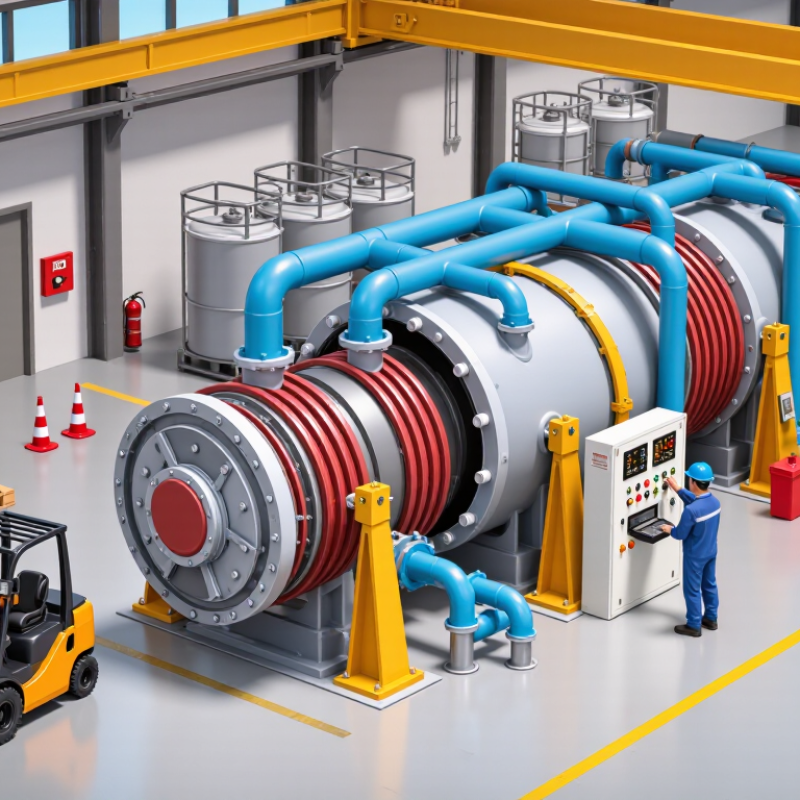
How to Choose the Best Tyre Pyrolysis Machine

Define Feedstock Type, Capacity, and Typical Yields: 35–45% Oil, 30–35% Carbon Black

How to Choose the Best Tyre Pyrolysis Machine

Choosing a tyre pyrolysis machine starts with defining the feedstock. Whole tyres, shredded tyres, and rubber crumbs behave differently inside the reactor. Check the feedstock’s moisture, steel content, textile content, and particle size before comparing equipment. Wet or inconsistent material can reduce throughput and distort yield calculations. Small details matter.

For dry, mixed waste tyres, a practical reference range is 35–45% pyrolysis oil and 30–35% carbon black. These figures are not guaranteed. Actual yields depend on tyre composition, heating control, residence time, and condensation efficiency. Oil may appear dark and viscous, while carbon black can contain steel residue or unconverted minerals. Ask for test data based on feedstock similar to yours. A laboratory trial is more useful than a polished brochure.

Capacity should match your real supply, not an optimistic estimate. A machine rated for ten tonnes daily may need steady loading, trained operators, and planned maintenance. Review reactor working volume, heating method, condenser design, discharge systems, and gas handling. Confirm whether the stated capacity uses whole tyres or pre-shredded material. I would also request a complete mass-balance sheet. Some suppliers quote oil yield generously while overlooking gas, moisture, and handling losses. That is a warning sign. Measure outputs by weight over several production cycles, then compare energy use, labour, and carbon quality before making a final decision.

Compare Reactor Designs and Operating Temperatures of 400–500°C

A reliable tyre pyrolysis machine is chosen by heat control, reactor design, and maintenance access. Operating between 400°C and 500°C can change oil yield, gas production, and char quality. At the lower range, heating is gentler, but processing may take longer. Near 500°C, conversion is faster. However, higher heat can increase gas formation and energy demand. Do not judge performance from temperature alone.

Batch reactors suit smaller operations because loading and inspection are straightforward. Continuous reactors can provide steadier output, but they require accurate feeding and stronger process control. Rotary designs often improve heat transfer as shredded tyres move through the chamber. Fixed reactors may have simpler construction, yet uneven heating can leave partially processed material near the walls. Check the reactor’s insulation, internal wear protection, and access points before comparing capacity figures.

Temperature sensors should measure several zones, not only the chamber outlet. Feedstock moisture, tyre size, and steel content can shift the actual operating result. A practical trial should record heating time, fuel use, oil recovery, and char condition. Watch the condensers closely; dark deposits can restrict flow and distort results. My own preference for higher temperatures needs testing, because faster conversion is not always better. A neat spreadsheet may still miss cleaning time, downtime, and operator workload. Reliable selection depends on measured trials, documented maintenance, and transparent safety controls.

Evaluate Energy Efficiency, Automation, and Batch or Continuous Operation

Choosing the best tyre pyrolysis machine requires more than comparing advertised output. Energy efficiency should be measured per tonne of tyres processed, not only by heater capacity. The IEA’s Energy Efficiency 2023 report identifies industry as responsible for about 37% of global final energy demand. That figure makes heat recovery, insulation, and stable temperature control practical priorities. Ask suppliers for measured fuel consumption, electricity use, and start-up energy from operating sites. Laboratory figures can look attractive.

Automation affects both safety and product consistency. A reliable system should monitor reactor temperature, pressure, feed rate, and gas circulation continuously. Automatic alarms and emergency shutdowns reduce dependence on operator reactions. However, more sensors do not automatically mean better performance. Check calibration records, maintenance intervals, and control-system failure procedures. Small details matter, such as whether an operator can see a blocked feed screw before production stops.

Batch and continuous operation suit different working conditions. Batch equipment often offers simpler maintenance and lower entry costs, especially for variable feedstock. Continuous systems can provide steadier production and lower repeated heating losses at larger volumes. The European Tyre and Rubber Manufacturers’ Association reports that end-of-life tyre volumes remain substantial across Europe, but regional collection systems differ. Match machine capacity to dependable local supply, not optimistic forecasts. My practical concern is often overlooked: a theoretically efficient machine may perform poorly when feedstock moisture, tyre size, or staffing changes. Request independent performance data under comparable conditions.

Verify Emission Controls, Safety Systems, and Compliance with Local Standards

Choosing the best tyre pyrolysis machine requires more than checking output capacity or fuel consumption. Emission controls should be examined during operation, not only in brochures. Ask for measured data on particulate matter, volatile compounds, sulphur compounds, and odour control. Request recent test records from an independent laboratory.

Look closely at the gas cleaning train. It may include a cyclone separator, condenser, scrubber, and final filtration stage. Each component needs a clear maintenance schedule. Inspect sampling ports and data displays in person. If measurements cannot be verified, treat the claim cautiously. Numbers without test conditions can mislead.

Safety systems deserve equal attention. The reactor should include temperature sensors, pressure relief devices, emergency shutdown controls, and flame protection where applicable. Check whether alarms remain audible in a busy plant. Operators should receive practical training, including drills for power loss and abnormal pressure. I have seen impressive equipment fail basic checks because access panels were difficult to open. Small design flaws matter.

Local compliance can change by region and facility size. Confirm requirements for air permits, fire protection, waste handling, worker exposure, and electrical installation before signing a purchase agreement. Ask the supplier to provide drawings, risk assessments, manuals, and conformity documents. A local engineer or environmental authority should review them. This step may slow the project, but skipping it can create expensive redesigns. Not perfect. Still necessary.

How to Choose the Best Tyre Pyrolysis Machine - Verify Emission Controls, Safety Systems, and Compliance with Local Standards

Assessment Dimension What to Verify Reference Requirement or Benchmark Recommended Evidence Review Status
Feedstock and Permit Classification Confirm whether whole tyres, shredded tyres, textile-containing tyres, steel-containing tyres, or other rubber waste will be processed. The legal classification of end-of-life tyres and pyrolysis residues varies by jurisdiction and can determine whether a waste-treatment or air-emission permit is required. Written classification from the local environmental authority, permit pre-application record, and approved feedstock specification. Review
Process Gas Containment Inspect the reactor, condensers, gas lines, valves, flanges, seals, and storage interfaces for a closed, leak-controlled system. The design should prevent uncontrolled release of combustible vapour and non-condensable gas during normal operation, start-up, shutdown, and upset conditions. Piping and instrumentation diagram, pressure-test records, leak-test procedure, gasket specification, and maintenance schedule. Required
Particulate Control Check for a suitable dust-removal stage such as a cyclone, wet scrubber, bag filter, ceramic filter, or an equivalent engineered arrangement. The selected equipment must meet the particulate concentration and monitoring requirements specified in the site air permit; there is no single universal limit. Guaranteed outlet concentration, filter material data, pressure-drop range, cleaning method, and independent stack-test plan. Review
VOC and Carbon Monoxide Control Verify whether the design includes a thermal oxidizer, afterburner, flare, or another approved system for non-condensable gas and residual vapours. The control device must be sized for gas flow, heating value, residence time, mixing, and the emission limits stated in the permit. Combustion calculations, temperature and residence-time design basis, burner controls, flame-failure protection, and commissioning test results. Required
Acid Gas and Sulfur Control Assess the expected sulfur and halogen content of the tyre feedstock and check for alkaline scrubbing or another appropriate treatment stage. Sulfur oxides, hydrogen chloride, and related acid gases must be controlled where required by the local permit and feedstock composition. Feedstock laboratory analysis, mass-balance calculation, reagent consumption estimate, scrubber design data, and wastewater or residue disposal plan. Review
Emission Monitoring Determine whether monitoring is required for particulate matter, CO, CO₂, oxygen, nitrogen oxides, sulfur oxides, VOCs, temperature, pressure, and flow. Monitoring frequency and instrument type must follow the air permit. Automated measuring systems may require quality-assurance procedures such as those described in EN 14181 where adopted. Instrument certificates, calibration records, data-logging specification, alarm setpoints, and continuous-emission-monitoring quality plan. Required
Pressure and Vacuum Protection Check pressure transmitters, vacuum protection, relief devices, rupture protection, vent routing, and automatic isolation. Protection must be based on the maximum credible pressure, vacuum, temperature, blocked outlet, loss of cooling, and gas ignition scenarios. Relief-device sizing calculation, set-pressure records, inspection certificates, hazard analysis, and relief discharge-location drawing. Required
Fire and Explosion Prevention Verify combustible-gas detection, ventilation, ignition-source control, flame monitoring, emergency isolation, and explosion-relief or suppression measures where required. Equipment used in potentially explosive atmospheres should be assessed under the applicable hazardous-area classification and local fire code. Hazardous-area classification drawing, fire-risk assessment, gas-detector certificates, electrical-area approvals, and emergency-response procedure. Required
Safety Instrumented Functions Confirm automatic shutdown for high pressure, high temperature, low cooling flow, flame failure, abnormal gas concentration, and loss of critical utilities. Safety functions should be identified through a documented risk assessment and validated according to the required safety performance level or category. Cause-and-effect matrix, safety requirement specification, proof-test schedule, interlock test records, and functional-safety validation report. Required
Mechanical and Electrical Safety Check guards, access doors, emergency stops, lockout points, earthing, cable protection, control-panel design, and safe maintenance access. ISO 12100 provides a recognized framework for machinery risk assessment; IEC 60204-1 addresses electrical equipment of machinery. Local adoption must be confirmed. Risk assessment, electrical drawings, earthing test, emergency-stop test, guarding inspection, and conformity documentation. Required
Combustion and Fuel-System Safety Inspect fuel-train shutoff valves, pressure regulation, burner management, purge sequence, flame detection, and fuel-leak protection. Industrial furnace and combustion safety requirements may be addressed by EN 746-2, NFPA 86, or another locally adopted code, depending on jurisdiction. Fuel-train schematic, burner-management logic, purge calculation, valve certificates, combustion commissioning report, and code review. Review
Residue and Product Management Confirm safe cooling, transfer, storage, and testing of recovered carbon material, steel, pyrolysis oil, and solid residues. Residues must be classified and managed according to local waste, chemical-storage, fire, and product-quality requirements. Safety data sheets, representative laboratory analysis, storage-temperature limits, dust-control plan, and disposal or reuse documentation. Review
Local Compliance Pathway Identify all required construction, environmental, fire, pressure-equipment, electrical, occupational-health, and waste-handling approvals. In the European Union, industrial emissions may be regulated under Directive 2010/75/EU; in the United States, requirements may arise under the Clean Air Act and state or local permits. Local rules control. Permit matrix, authority correspondence, applicable-code register, stamped engineering documents, and approval schedule. Required
Factory and Site Acceptance Testing Require documented tests for capacity, temperature stability, gas tightness, emissions, interlocks, emergency shutdown, and continuous operation. Acceptance criteria should be agreed before purchase and should match the permitted feedstock, operating envelope, and emission limits. Approved test protocol, calibrated instruments, signed test records, independent emission report, punch list, and corrective-action log. Required
Operations, Training, and Records Evaluate operating manuals, alarm response, maintenance instructions, operator training, inspection intervals, and emissions recordkeeping. Records should demonstrate compliance with permit conditions, inspection requirements, abnormal-event reporting, and preventive-maintenance obligations. Operating procedures, training matrix, maintenance plan, calibration register, incident log, inspection checklist, and digital data backup. Required
Important: Emission limits, monitoring frequency, hazardous-area requirements, and required permits vary by country, region, feedstock, plant capacity, and site conditions. The final machine specification should be confirmed against the current requirements of the local environmental, fire, occupational-safety, and building authorities.

Assess Product Quality, Maintenance Costs, Warranty, and Supplier Support

How to Choose the Best Tyre Pyrolysis Machine

Product quality should be judged beyond photographs and sales claims. Inspect the reactor’s steel grade, weld quality, insulation, and temperature control system. Ask for operating data from a comparable installation. A stable heating curve matters more than impressive capacity figures. Check pressure relief devices, emergency shutdowns, gas sealing, and condenser performance. These details protect workers and support consistent output. An independent inspection is worth considering.

Maintenance costs can quietly change the entire investment. Request a list of wear parts, including seals, valves, thermocouples, and filters. Ask how often each part needs replacement. Confirm whether parts are locally available or shipped internationally. Record expected fuel, electricity, labor, and cleaning costs. The cheapest machine may become expensive after several months. I once focused too heavily on purchase price. That judgment was incomplete.

Warranty terms need precise wording. Check coverage for the reactor, electrical controls, motors, and major safety components. Clarify exclusions, response times, and who pays for transport. A reliable supplier should provide installation guidance, operating manuals, maintenance schedules, and practical training. Speak with previous users, if possible, and ask about delayed replies or unavailable parts. Support should continue after commissioning. Promises are easy. Evidence is harder. Also confirm local environmental and workplace requirements before purchase, because technical suitability alone does not guarantee responsible operation.

How to Choose the Best Tyre Pyrolysis Machine

Use these procurement priorities to compare machine offers objectively. The percentages represent a practical evaluation framework and should be verified against technical quotations, service terms, and operating conditions.

Assessment focus: Product quality has the highest weighting because reactor safety, material durability, emission control, and oil-yield consistency directly affect long-term operation. Maintenance costs and supplier support are also critical for reducing downtime, while warranty coverage helps control early ownership risk.

Contact us

Please fill out the enquiry form, and our dedicated team will promptly attend to your request