2026 How to Choose the Right Square Steel Bar for Your Needs?
Choosing the right square steel bar for your needs can be challenging. The square steel bar is popular due to its versatility and strength. It is commonly used in construction, manufacturing, and various other applications. Understanding your specific requirements is essential for making the right decision.
Factors such as size, thickness, and material grade play a significant role in your selection. Each project demands different properties, which can make the process overwhelming. Research is key. Collect information on available options and their applications. Sometimes, you may discover that a bar’s dimensions do not meet your expectations, prompting a reevaluation of your project needs.
Ultimately, consulting with industry experts can provide valuable insights. Their experience can help you navigate the complexities of square steel bar selection. Reflect on your priorities and ensure your choice aligns with your project requirements. A thoughtful approach will lead to a successful outcome.
Understanding the Basics of Square Steel Bars
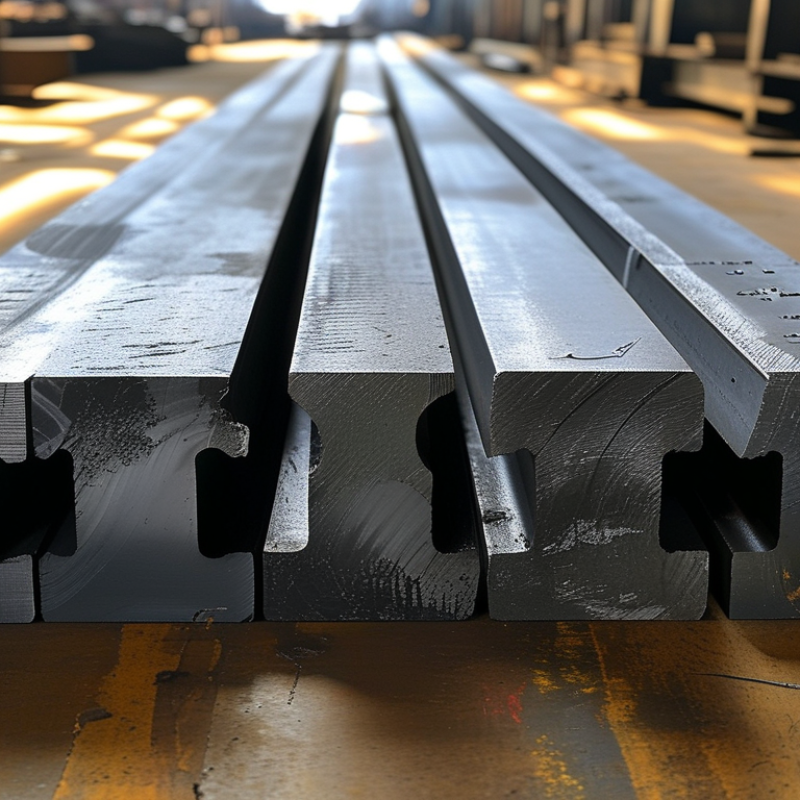
When selecting square steel bars, understanding the basics is essential. Square steel bars are commonly used in construction, manufacturing, and machinery applications. Their dimensions and properties vary widely. According to industry reports, the dimensions can range from 1 inch to over 12 inches. Understanding these variations helps in making informed decisions.
The strength of square steel bars is a key consideration. Reports indicate that carbon steel bars have a tensile strength of up to 100,000 psi, making them suitable for heavy-duty applications. However, one must consider their susceptibility to corrosion. Depending on the environment, treating these bars may be necessary to prevent deterioration.
Another factor is the availability of grades. Different grades cater to distinct requirements, such as structural support or aesthetic purposes. Not all square steel bars are created equal. Many users find themselves unsure about which grade to choose. Identifying the right one can ensure performance and longevity. Seeking expert advice is often required to avoid costly mistakes.
Understanding Square Steel Bars: Size and Weight Comparison
Identifying Your Specific Project Requirements
When selecting a square steel bar, understanding your specific project requirements is vital. Begin by assessing the intended application. Will it be used for structural support, decorative purposes, or machinery? Each application demands different qualities from the steel bar.
Next, consider the environmental conditions. Will the bar be exposed to moisture or extreme temperatures? Corrosion resistance may become a priority if exposed elements are a concern. Think about the load it will need to bear. A bar intended for heavy-duty use should have high tensile strength.
Budget also plays a crucial role. Inexpensive options might save you money initially, but could lead to higher maintenance costs later. Reflect on how long-term durability aligns with your budget constraints. Neglecting these details can result in underperformance or unforeseen expenses down the line.
Evaluating Different Steel Grades and Their Properties
When choosing a square steel bar, you must evaluate the steel grade carefully. Different grades have unique properties, impacting their performance in various applications. For instance, carbon steel is common for structural purposes. It offers good strength at an affordable cost. However, it may not be suitable for environments that require corrosion resistance.
Stainless steel is another option, known for its durability and resistance to rust. It’s ideal for applications exposed to moisture. Nevertheless, its higher price might not be justifiable for every project. Alloy steels combine elements such as chromium or nickel to enhance specific characteristics. These steels can provide superior strength and toughness but require a deep understanding of their properties.
Keep in mind that knowing the application is crucial. A square steel bar used in a construction project may differ from one needed for automotive purposes. Reviewing specifications and testing standards can help you make an informed decision. Each choice has trade-offs to consider, and understanding these nuances leads to smarter selections. Engage with experts whenever possible, as their insights can highlight critical factors that may be overlooked.
Comparing Sizes and Dimensions of Square Steel Bars
When selecting square steel bars, understanding sizes and dimensions is crucial. Square steel bars are typically measured in inches or millimeters. Common sizes range from ½ inch to 12 inches on each side. The thickness influences the bar's strength and weight. For instance, a 4-inch square bar weighs about 28.9 pounds per foot.
It's important to consider the project's requirements. Different applications demand various specifications. A structural application might need a bar with higher yield strength, typically around 36 KSI for hot-rolled steel. In contrast, ornamental uses might prioritize aesthetic dimensions rather than strength.
One often overlooked factor is the tolerance of dimensions. Industry standards suggest that square bars could have a tolerance of 1/16 inch. A manufacturing defect could affect your project significantly. Ensure that you check these specifications thoroughly. These details can make or break the integrity of your construction. Selecting the right dimensions is not just technical; it impacts performance and safety.
2026 How to Choose the Right Square Steel Bar for Your Needs? - Comparing Sizes and Dimensions of Square Steel Bars
| Size (mm) | Weight (kg/m) | Application | Common Uses |
| 10 x 10 | 0.785 | Light Fabrication | Supports and frames |
| 20 x 20 | 1.570 | Medium Fabrication | Frames, brackets |
| 30 x 30 | 2.940 | Heavy Fabrication | Structural components |
| 40 x 40 | 4.930 | Construction | Columns, supports |
| 50 x 50 | 7.850 | Industrial | Machinery frames |
Considering Cost and Availability Options for Purchasing
When choosing square steel bars, understanding cost and availability is crucial. The market can fluctuate, affecting prices significantly. It’s essential to compare suppliers to find competitive rates. Local suppliers often offer more immediate availability, but prices may be higher compared to larger distributors. Consider looking into various sources to ensure you are getting the best value.
Availability can also depend on the type of steel bar needed. Some sizes and grades may have limited stock. During peak construction seasons, demand spikes, leading to higher prices and longer wait times. Always inquire about lead times before making a purchase. Being flexible with specifications can open up more options and potentially lower costs.
While it’s tempting to prioritize price, the quality of steel is vital. Cheap options can lead to problems in the long run. Inspecting materials and ensuring they meet industry standards is crucial. This step may take time and effort, but it can prevent costly mistakes. Balancing cost, availability, and quality is not easy, but it's necessary for a successful project.
