How to Choose the Right Valve Lockout Chain for Safety?
In industries dealing with hazardous materials, safety is crucial. The Valve Lockout Chain is an essential tool in ensuring equipment is properly locked out during maintenance. According to the Occupational Safety and Health Administration (OSHA), lockout/tagout procedures prevent an estimated 120 fatalities and 50,000 injuries each year in the United States alone. Choosing the right Valve Lockout Chain can significantly impact workplace safety.
"Selecting the correct lockout devices is paramount to protect workers," states John Smith, a safety expert with over 20 years of experience in industrial safety protocols. An effective Valve Lockout Chain not only secures the valve but also allows for clear visual identification. Different environments demand various materials and designs. For instance, chains made of durable nylon can withstand harsh chemicals, while others might be better suited for temperature extremes.
Consideration of specific workplace conditions is vital when selecting a Valve Lockout Chain. "Each facility has its nuances, and a one-size-fits-all approach could leave gaps in safety," emphasizes Smith. While various options are available, reflecting on the unique needs of each facility is essential for creating a safe environment. Despite the wealth of information available, manufacturers sometimes conflate features with effectiveness. Evaluating all aspects critically is necessary for implementing comprehensive safety measures.
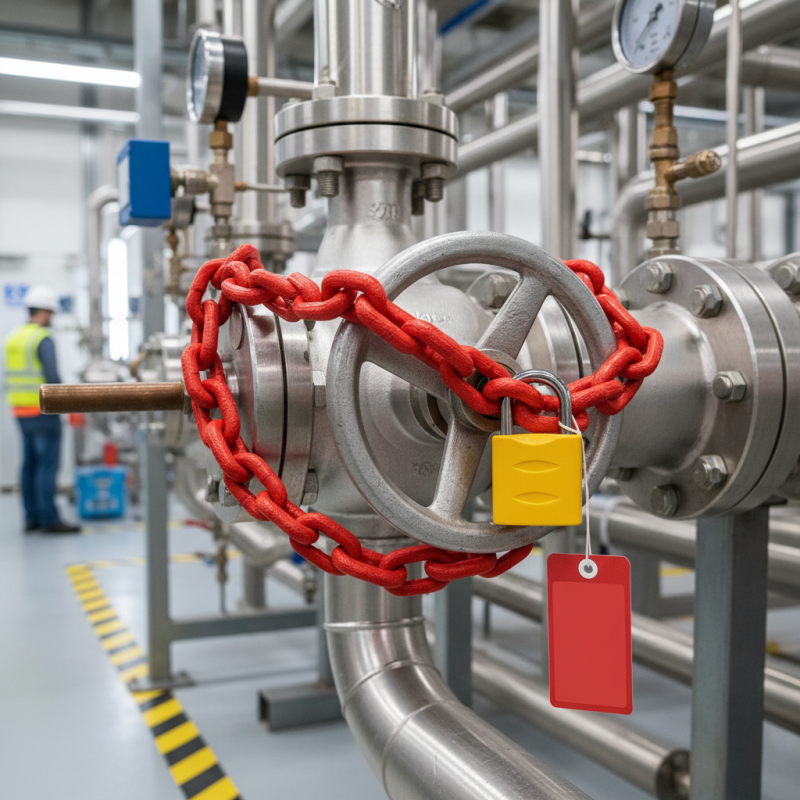
Understanding Valve Lockout Procedures and Regulations
Recognizing the importance of valve lockout procedures is crucial for workplace safety. The Occupational Safety and Health Administration (OSHA) emphasizes the significance of implementing lockout/tagout (LOTO) practices to prevent accidental machine startups. In fact, nearly 10% of workplace accidents are linked to improper lockout procedures. A robust understanding of these regulations ensures compliance and significantly reduces the risk of injuries.
Many companies lack adequate training in lockout procedures. According to a recent industry report, over 50% of organizations do not provide comprehensive education on LOTO practices. This gap can lead to hazardous situations. It's essential to analyze existing protocols regularly and update training methods. Incorporating real-life scenarios in training helps workers understand the protocols better and encourages a culture of safety.
Engaging employees in discussions about safety regulations fosters a proactive approach to compliance. Regular audits are necessary; they reveal weaknesses within current procedures and highlight areas for improvement. Safety isn't just about regulations; it's about cultivating a mindset that prioritizes the well-being of all workers. Each employee must feel responsible for their safety and that of their colleagues.
Identifying Different Types of Valve Lockout Chains
When selecting a valve lockout chain, understanding the different types available is crucial. Valve lockout chains come in various materials and designs, tailored for specific applications. For example, metal chains provide durability while plastic chains offer lightweight portability. According to industry data, nearly 40% of workplace incidents are linked to improper lockout/tagout procedures. This highlights the importance of choosing the right chain that fits your workflow.
Consider the environment where the chain will be used. In chemical facilities, corrosion-resistant materials are necessary. In contrast, high-temperature environments may require chains made from synthetic fibers. Specialized chains can withstand specific conditions, ensuring safety in diverse settings. However, improper installation or maintenance can still lead to safety risks. Always check the manufacturer’s guidance for best practices.
Tips: Ensure that lockout chains are visible and easily accessible. Regular training sessions can reinforce safe practices among employees. Always review and update safety protocols to mitigate risks. Engaging workers in safety discussions helps identify potential gaps in the lockout process, fostering a more secure work environment. Reflecting on current practices can lead to improvements and enhanced safety culture.
Factors to Consider When Choosing a Valve Lockout Chain
When selecting a valve lockout chain, multiple factors come into play. The material used for the chain is crucial. Chains made from high-strength steel offer durability and corrosion resistance. This choice can prevent accidental failures. Additionally, consider the chain's length. A longer chain can accommodate various valve sizes, enhancing versatility across different operations. Research shows that proper chain length can improve safety compliance rates by up to 30%.
The design of the lockout mechanism also deserves attention. Chains with brightly colored components or reflective materials increase visibility, which is vital in dimly lit environments. A study highlights that clear visual indicators can reduce workplace incidents by 25%. Furthermore, ensure the chain is compatible with various valve types. Different industries may use unique valves; a standard solution might not suffice. Therefore, examining the chain's specifications closely is necessary to ensure effective use.
Finally, always consult relevant safety standards before making a decision. The Occupational Safety and Health Administration (OSHA) outlines guidelines for lockout/tagout procedures. Following these can protect personnel and equipment alike. Choosing a valve lockout chain without adhering to these guidelines might lead to risks and inefficiencies, even if initial impressions seem solid. It's vital to weigh these intricate details, allowing better-informed choices that enhance workplace safety and compliance.
Evaluating Material Durability and Compatibility for Safety
When selecting a valve lockout chain, material durability is crucial. Chains must withstand various environmental factors, including humidity and extreme temperatures. Steel chains often provide robust durability, but they can rust. Alternatives like nylon offer corrosion resistance but may wear down over time. Consider the specific conditions your chain will face.
Compatibility is also key. Ensure the lockout chain matches the type of valve it will secure. A mismatch can lead to ineffective lockout practices. Test different chains with your equipment. Sometimes, a trial and error approach is necessary. This can reveal unexpected weaknesses or strengths in your choices.
Reflect on your current safety practices. Are your materials up to standard? Regularly evaluate the wear and tear of your chains. Over time, chains may degrade and lose effectiveness. Staying proactive can prevent safety hazards down the line. Make informed choices based on both durability and compatibility.
Material Durability Comparison for Valve Lockout Chains
Best Practices for Implementing Valve Lockout Chain Systems
Implementing a valve lockout chain system requires careful planning and attention to detail. Start by assessing the specific needs of your facility. Consider the types of valves and their locations. This assessment will guide you in selecting the appropriate materials and lengths for your lockout chains. The goal is to ensure every valve is accessible yet secure.
Training your staff is vital for effectiveness. Everyone should understand the importance of lockout/tagout procedures for safety. Encourage regular drills to reinforce this knowledge. This will not only familiarize employees with the process but also highlight areas for improvement. Open discussions about challenges can lead to better solutions and innovations.
Continually monitor and evaluate the effectiveness of your lockout procedures. Technology can help track usage and compliance. However, stay alert for gaps in your system. No process is perfect, and constant reflection is essential. Investing time in this area can significantly enhance workplace safety, ensuring that valve lockout systems serve their intended purpose.
