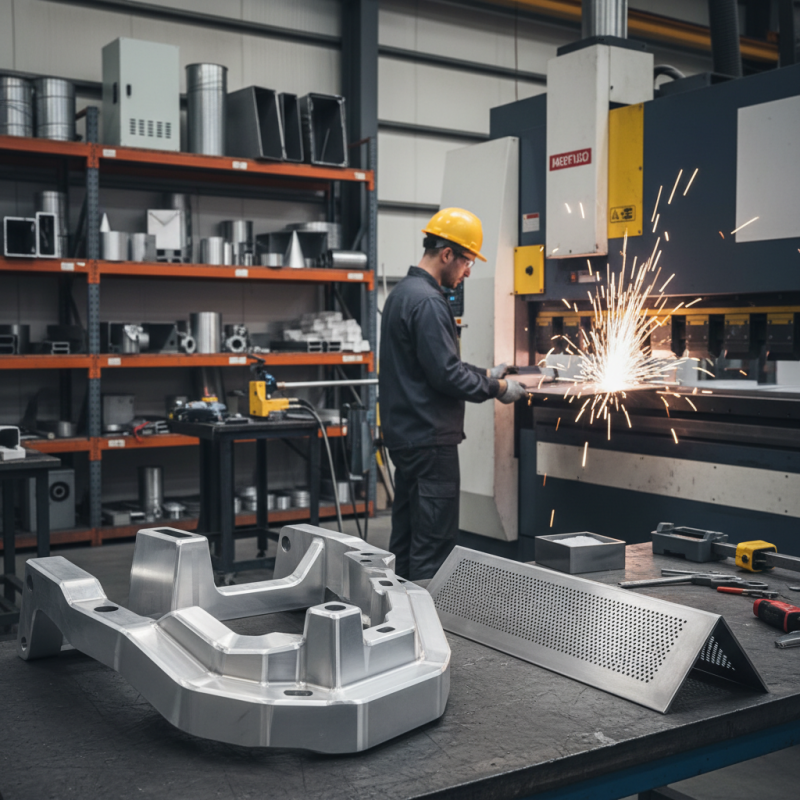
What is Complete Sheet Metal and Its Applications?
Complete Sheet Metal plays a vital role in various industries. This versatile material is used in manufacturing, construction, and automotive applications. It is essential for creating durable and precise components.
The term "Complete Sheet Metal" refers to metal sheets expertly formed into various shapes. This process allows for a wide range of products. From simple brackets to complex panels, sheet metal shapes are foundational in many designs. Every industry depends on this material to achieve functionality and aesthetics.
Despite its importance, there are challenges in the sheet metal process. Precision in cutting and bending is crucial. Any miscalculation can lead to waste or defects. These factors highlight the need for continuous improvement in techniques and technology. Through reflection and innovation, the industry can advance, ensuring the best outcomes in Complete Sheet Metal applications.
What is Complete Sheet Metal?
Complete sheet metal refers to the finished and processed forms of metal sheets used in various industries. This includes techniques like cutting, bending, and assembling metal into specific shapes. According to the Metal Industries Association, the sheet metal industry contributes over $60 billion to the economy annually. Its versatility allows applications in automotive, aerospace, HVAC, and construction sectors.
When considering its application, sheet metal is crucial for creating structural components and enclosures. For example, in automotive manufacturing, it forms the body panels of vehicles. The lightweight nature of sheet metal enhances fuel efficiency, helping manufacturers comply with environmental standards. However, many companies still struggle with production waste and energy efficiency in the fabrication process.
Investing in precision technologies can mitigate these issues. Advanced methods like laser cutting provide better accuracy and reduced scrap rates. Currently, statistics show that up to 30% of raw materials can become waste in traditional processes. Improving these systems will not only increase profitability but also promote sustainability in manufacturing.
Historical Development of Sheet Metal Fabrication Techniques
Sheet metal fabrication techniques have evolved significantly over centuries. Early methods relied on manual processes. Skilled artisans shaped metal by hand using hammers and simple tools. This labor-intensive approach often resulted in variations in quality and design. Precision was not easily achievable. Over time, the demand for more consistent, high-quality products grew.
The industrial revolution marked a turning point. Factories began to adopt machines, increasing production efficiency. Punching, shearing, and bending soon replaced many manual methods. This shift allowed for greater accuracy, but it also introduced new challenges. Many workers lost traditional skills. The art of handcrafting metal diminished. Today, advanced technology like laser cutting and CNC machining dominates the industry. Yet, relying solely on machines raises questions about craftsmanship. Will future generations appreciate the artistry linked to manual techniques?
What is Complete Sheet Metal and Its Applications?
| Dimension/Property | Value | Measurement Unit |
| Thickness | 0.5 - 10.0 | mm |
| Width | 100 - 1500 | mm |
| Length | 100 - 3000 | mm |
| Material Types | Steel, Aluminum, Copper, Stainless Steel | N/A |
| Applications | Automotive, Aerospace, HVAC, Electronics | N/A |
| Common Processes | Cutting, Bending, Welding, Stamping | N/A |
| Industry Growth Rate | 4.5 | % |
Key Properties and Characteristics of Complete Sheet Metal
Complete sheet metal is a vital component in various industries. Its properties greatly influence its applications. Typically, it consists of metals like aluminum, steel, and copper. These materials are known for their strength and ductility. According to a report from Research and Markets, the global sheet metal market is projected to reach $252.77 billion by 2025, highlighting its significance.
Key properties of complete sheet metal include tensile strength, corrosion resistance, and excellent formability. Tensile strength refers to the metal's ability to withstand forces without deforming. For instance, high-strength steel may handle stresses of over 300 MPa. Corrosion resistance is crucial for longevity, especially in construction and automotive sectors.
Tips: When selecting complete sheet metal, consider how it will be used. Different applications may require varying thicknesses. Also, pay attention to how the metal interacts with other materials. Poor choices can lead to failures.
In conclusion, understanding the properties and characteristics of complete sheet metal is essential. It can prevent costly mistakes. Reflect on past experiences; oversight can lead to unexpected challenges in projects.
Major Industries Utilizing Complete Sheet Metal Solutions
Complete sheet metal fabrication plays a crucial role in various industries. Its applications are far-reaching, impacting sectors such as automotive, aerospace, construction, and electronics. According to industry reports, the global sheet metal market is expected to reach $250 billion by 2025, underscoring its importance.
The automotive industry heavily relies on complete sheet metal solutions for components like chassis, body panels, and brackets. In fact, about 70% of vehicle production involves sheet metal parts. These materials are chosen for their strength and light weight, which enhance fuel efficiency. The aerospace sector also benefits greatly. Sheet metal is integral in creating components that need to withstand high pressures and extreme temperatures.
Tip: When considering sheet metal options, analyze the specific needs of your project. Material selection is crucial. But remember, not all options will meet your requirements perfectly.
Construction uses complete sheet metal for structures, roofing, and HVAC systems. Reports indicate a significant rise in demand for sustainable materials. However, sourcing these can be challenging. As businesses embrace eco-friendly practices, balancing cost with sustainability can lead to tough decisions.
Tip: Evaluate your suppliers carefully. Assessing their sustainability initiatives can help streamline your operations.
Advantages of Complete Sheet Metal in Manufacturing Applications
Complete sheet metal offers numerous advantages in manufacturing. Its strength-to-weight ratio is remarkable. Reports indicate that fabricated sheet metal structures can reduce weight by up to 20-40% compared to traditional materials. This reduction leads to enhanced efficiency, especially in automotive and aerospace applications. A lighter design improves fuel efficiency, an important aspect in today's eco-conscious market.
Customization is another strong point. Sheet metal can be easily cut, shaped, and assembled into various components. According to the Fabricators & Manufacturers Association, about 76% of manufacturers use sheet metal for prototyping due to its cost-effectiveness. Quick changes in design are possible, which accelerates the production process. However, oversights during the design phase can lead to material waste and increased costs.
Durability is essential. Sheet metal can withstand various environmental elements. It is resistant to corrosion when treated properly, ensuring longevity. However, improper handling during installation may result in dents or structural weaknesses. Regular quality checks are necessary to avoid these pitfalls. Achieving the right balance between strength and flexibility in sheet metal design requires ongoing reflection and improvement in manufacturing processes.