2025 Guide: How to Determine Spot Welding Machine Prices Effectively
In the ever-evolving landscape of manufacturing, understanding the nuances of spot welding machine prices is crucial for businesses looking to optimize their operations. As noted by industry expert Dr. Emily Carter, a leading authority in welding technologies, "The cost of a spot welding machine can vary significantly based on factors such as capacity, automation level, and brand reliability." Her insight underscores the importance of conducting thorough research and analysis to gauge the best options available in the market.
The task of determining spot welding machine prices effectively requires an awareness of not just the machines themselves, but also the broader market trends and technological advancements that influence these costs. With such a diverse range of factors at play, it is essential for manufacturers to stay informed and strategic in their purchasing decisions. By understanding the dynamics that impact spot welding machine prices, businesses can make well-informed investment choices that align with their operational needs and budget constraints.
Ultimately, the goal is to help manufacturers navigate through the complexities of spot welding technology, ensuring they achieve optimal efficiency and value in their welding operations. By following this guide, stakeholders will be better equipped to pinpoint the right pricing strategies for their specific requirements in the competitive manufacturing arena.
Understanding the Basics of Spot Welding Machines
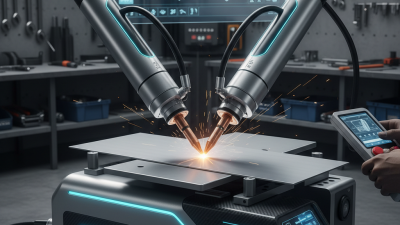
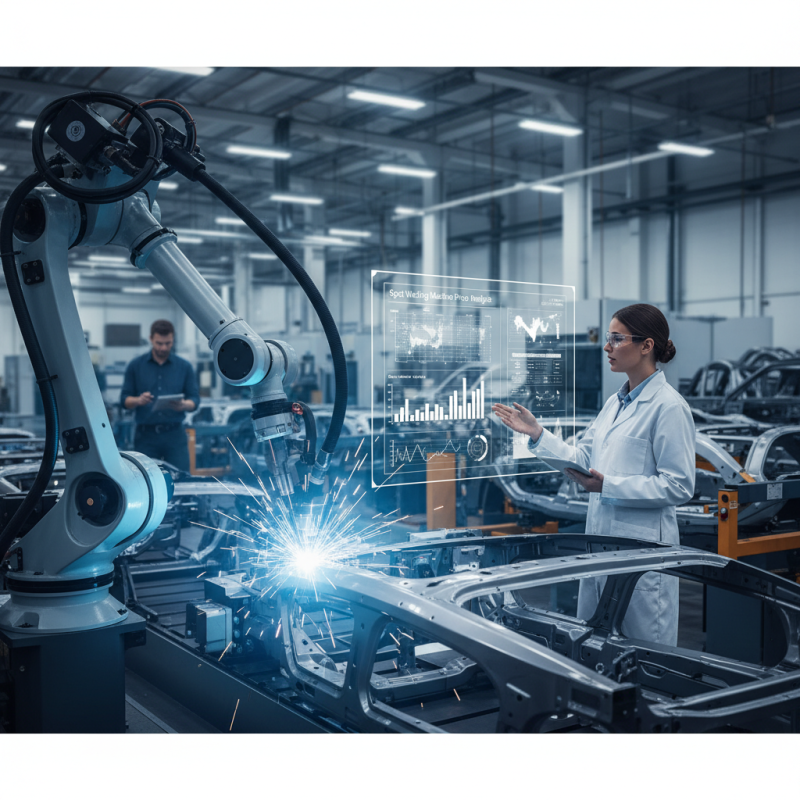
Spot welding machines are essential tools in various manufacturing processes, particularly in the automotive and electronics industries. Understanding the basics of these machines starts with recognizing their function: they use electrical resistance to join two or more metal pieces by melting their contact points. This method is highly efficient and provides strong joints, making it a preferred choice for operations requiring high production rates.
A typical spot welding machine consists of several key components, including an electrode, a transformer, and a control system. The electrodes, often made of conductive materials, apply pressure to the workpieces and conduct electric current to generate heat at the weld point. The transformer steps down the electrical supply to a suitable level for the welding process. Moreover, modern spot welding machines come equipped with advanced controls that allow operators to adjust parameters such as welding time, current, and pressure, ensuring precise and reliable results tailored to specific applications. Understanding these fundamentals helps users make informed decisions when evaluating machine performance and capabilities.
2025 Spot Welding Machine Price Analysis
This chart illustrates the average prices of different types of spot welding machines based on their capabilities and power specifications. The data includes three popular categories: Manual, Semi-Automatic, and Fully Automatic machines. Each category represents varying degrees of technology and application, impacting their overall pricing.
Factors Influencing Spot Welding Machine Prices
When determining the prices of spot welding machines, several key factors come into play that can significantly influence the overall cost. One of the primary factors is the machine's capacity, which refers to the maximum voltage and current levels it can handle.
Higher capacity machines generally command higher prices due to their ability to weld thicker materials and perform more robust tasks.
Additionally, the level of automation in the machine plays a crucial role. Fully automated systems are often more expensive than manual or semi-automated models due to their advanced technology and enhanced productivity.
Another essential factor is the complexity of the design and features offered by the machine. Machines equipped with advanced features such as programmable logic controllers (PLCs), touch-screen interfaces, and integrated safety systems tend to be priced higher. Furthermore, the materials used in the construction of the machine can also affect pricing; machines made with higher-quality components typically offer greater reliability and longevity, justifying a higher investment. Lastly, market demand and regional variations can influence prices, as more competitive markets may drive costs down, while limited availability can lead to increased pricing.
Understanding these factors is critical for making informed purchasing decisions in the spot welding machine market.
Comparison of Different Types of Spot Welding Machines
When considering the purchase of a spot welding machine, it's essential to understand the various types available and their respective price ranges. Spot welding machines can generally be categorized into manual, semi-automatic, and fully automatic models. Manual machines are the most basic and affordable option, suitable for small workshops and simple tasks. Semi-automatic machines increase efficiency and production speed, making them ideal for medium-sized operations. Fully automatic machines represent the highest investment but offer unmatched precision and speed for high-volume manufacturing environments.
Tips: When evaluating spot welding machines, prioritize your specific needs over brand names. Consider the thickness of the materials you will be working with as well as the production volume. This will help you determine which type of machine will provide the best value for your investment.
Additionally, inspect the features of each machine type, such as control systems, ease of use, and safety features. While the initial price is critical, the long-term operational costs—including maintenance and energy consumption—should also factor into your decision. By carefully analyzing these aspects, you can effectively find a spot welding machine that meets both your operational needs and budget constraints.
Evaluating the Cost-Effectiveness of Spot Welding Machines
When evaluating the cost-effectiveness of spot welding machines, it is essential to consider both the
initial investment and the long-term operational costs. The initial price of a machine often reflects its
capabilities, durability, and efficiency. A higher upfront cost may lead to better performance, reduced
downtime, and lower maintenance expenses, ultimately offering greater savings over time. Therefore, businesses should analyze the warranty and support offerings from manufacturers,
as robust service can mitigate potential costs related to repairs and replacements.
In addition to purchase price, the energy consumption and material waste associated with spot welding operations need to be factored into the total cost equation. A machine that operates efficiently can significantly lower electricity expenses and minimize scrap rates during production.
Companies should assess the machine's specifications for energy efficiency and output quality, ensuring that they achieve a balance between performance and operational expenditure. By conducting a thorough analysis that includes these considerations, businesses can make informed decisions that not only impact their budget but also enhance overall productivity and profitability in the long run.