Top 10 Heavy Duty Cantilever Racking Systems for Sale?
Long steel, timber, pipe, and sheet goods rarely fit neatly on conventional pallet racks. Their overhangs can waste floor space, complicate forklift access, and create awkward picking conditions. A Heavy Duty Cantilever Racking System addresses this challenge with upright columns and projecting arms that support long loads without front-facing posts. But “heavy duty” is not a useful specification on its own. Arm capacity, column height, base length, bracing, and load distribution all matter.
The 2024 MHI Annual Industry Report found that 55% of surveyed supply chain professionals expected to increase innovation investments over the following two years. That finding reflects wider attention to material flow and warehouse capability; it does not prove that a particular rack design improves productivity. Fit matters. Before comparing the top 10 systems for sale, buyers should match published capacities to actual load weights, dimensions, and handling equipment. They should also check whether ratings apply per arm, per column, or per rack bay. Small wording differences can change a quote substantially.
This guide examines systems through practical purchasing questions: construction, adjustability, stated capacity, installation needs, and supplier support. Product specifications deserve a close read. A catalog photo cannot show uneven floors, tight turning space, or the way bundled pipe shifts during loading. Nor can a ranking replace a site-specific engineering review. Some listings may appear impressive, yet lack enough detail for a fair comparison. That is worth questioning. The aim is a clearer shortlist—not a promise that one rack fits every warehouse.
What Defines a Heavy-Duty Cantilever Racking System?
What Defines a Heavy-Duty Cantilever Racking System?
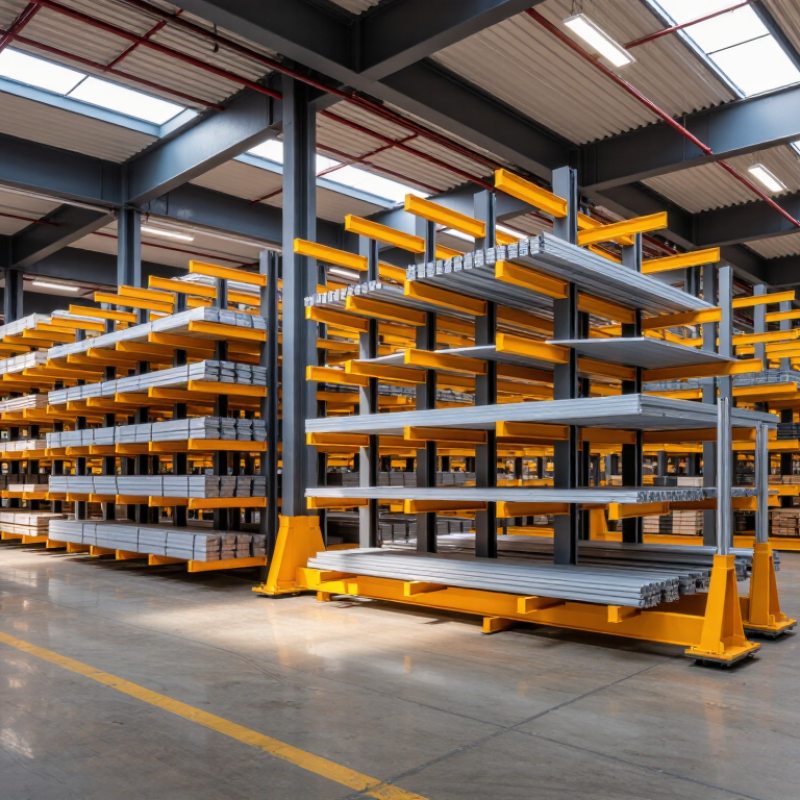
A heavy-duty cantilever system stores long, bulky loads such as steel sections, timber, or large pipes. Its upright columns carry horizontal arms, leaving the front open for loading. “Heavy-duty” is not a universal weight rating. Capacity depends on arm length, column strength, rack height, bay spacing, and how evenly each level is loaded. The floor and anchoring method matter too. A system rated for one layout may not suit another.
Check the load details. Measure the longest items, estimate each bundle’s weight, and note how loads will be placed. Ask for capacity information for the exact configuration, not just a general product figure. Small details matter.
Tips: Keep loads centered on the arms and within their stated limits. Protect exposed arm ends from repeated impact. Inspect for bent parts, loose anchors, or uneven loading. Get a qualified rack professional to review unusual loads or site conditions.
A sturdy appearance does not prove a rack is suitable. In practice, teams may change bundle sizes or storage habits over time, sometimes without updating the layout. That is worth questioning. Reassess the system when loads, equipment, or floor conditions change, and leave clear access for safe handling.
Top 10 Heavy Duty Cantilever Racking Systems for Sale? - What Defines a Heavy-Duty Cantilever Racking System?
Heavy-duty cantilever racking is designed for long, bulky, or awkward loads that are supported by arms rather than front uprights. The options below are common system configurations, not a ranked list of specific products. Load capacity must be established for the complete, installed rack by a qualified supplier or engineer.
| System Configuration | Typical Loads and Applications | Heavy-Duty Design Features | Key Capacity Considerations | Useful Checks Before Purchase |
|---|---|---|---|---|
| 1. Single-Sided Cantilever Rack | Long goods stored against a wall, such as timber, pipe, bar stock, or sheet materials on suitable supports. | One row of arms projects from each column; the base and anchorage resist the resulting overturning forces. | Confirm arm load, column load, rack height, base dimensions, and the intended load position. | Check floor condition, anchor requirements, aisle access, and whether the wall is merely adjacent or part of an engineered restraint design. |
| 2. Double-Sided Cantilever Rack | Long materials stored on both sides of a central row, often in warehouse or yard storage areas. | Arms extend from both sides of the columns; the system is configured to support loads and operating conditions on each face. | Capacity depends on the combined loading pattern, arm positions, column spacing, bracing, and whether both sides are loaded as planned. | Confirm the design includes the actual two-sided loading case and that aisle widths suit the handling equipment. |
| 3. Structural-Steel Cantilever Rack | Heavy or demanding long-load storage where the project requires a robust structural frame. | Uses structural steel members and engineered connections; bracing and base details are selected for the specified loads and layout. | There is no universal capacity implied by the term “structural steel.” Obtain rated loads for the exact configuration. | Request design drawings, load tables, steel and connection specifications, and installation requirements. |
| 4. High-Capacity Column Configuration | Dense storage of heavy bundles or concentrated loads, subject to an engineered layout. | Column sections, bases, bracing, and connections are selected together to carry the specified system loads. | Column capacity is affected by rack height, arm elevations, bracing, load eccentricity, and the number of loaded levels. | Check that quoted capacities apply to the proposed height, bay spacing, arm arrangement, and floor anchorage. |
| 5. Long-Arm Cantilever Configuration | Long products that need greater horizontal support reach, such as long stock or oversized components. | Arms are sized and supported for the required reach; arm deflection and connection forces need to be included in the design. | Longer arms can increase bending forces. Capacity should not be assumed to remain unchanged as arm length increases. | Specify the required usable arm length, load distribution, product overhang, and any limits on arm deflection. |
| 6. Outdoor Cantilever Rack | Exterior storage of materials such as pipe, lumber, or metal stock where the rack is exposed to weather. | May use an appropriate corrosion-protection system and weather-suitable detailing; site exposure must be considered. | Wind, exposure, rack height, anchorage, and local environmental conditions can affect the structural design. | Confirm coating suitability, drainage, inspection and maintenance needs, and whether a canopy changes wind loading. |
| 7. Seismic-Designed Cantilever Rack | Facilities in locations or buildings where seismic design requirements apply. | Designed with applicable site and building criteria in mind, including rack stability, connections, anchorage, and bracing. | Seismic requirements are site-specific and may affect allowable loads, layout, and anchorage details. | Provide the project location, building information, rack layout, and required design criteria to the responsible designer. |
| 8. Adjustable-Arm Cantilever Rack | Facilities storing products with varying dimensions that benefit from adjustable arm elevations. | Arms can be repositioned on compatible columns to suit different storage levels and product sizes. | Permitted arm positions and loads depend on the rack design. Changing arm locations can change the column loading condition. | Check the approved adjustment method, locking or retention features, load ratings by arm position, and safe adjustment procedures. |
| 9. Cantilever Rack with Load-Handling Attachments | Products that need additional restraint or support, such as round stock or items requiring a purpose-designed cradle or retainer. | Compatible accessories can help retain or support loads when they are selected and installed for the rack and product. | Attachments add forces and must not be assumed to increase rack capacity; their effect should be included in the design. | Verify accessory compatibility, load contact points, retention needs, and whether the attachment changes the rated configuration. |
| 10. Multi-Level or High-Bay Cantilever Rack | Facilities seeking vertical storage for long goods where building height and material-handling equipment permit. | Multiple storage levels are arranged on engineered columns and bracing, with access planned for the selected handling equipment. | Rack height, level spacing, total loaded weight, stability, and equipment reach all influence the design. | Confirm clear height, sprinkler and building constraints, aisle geometry, equipment capabilities, and required inspection access. |
What defines “heavy-duty”? The term alone is not a standardized load rating. A heavy-duty system is one whose arms, columns, bases, bracing, connections, anchors, and supporting floor are engineered for the stated loads and operating conditions. Before buying, obtain project-specific load ratings and drawings, and confirm the rated load per arm and per column, load distribution assumptions, installation requirements, and applicable local design rules. Never exceed posted ratings or modify a rack without approval from the responsible supplier or engineer.

Contact us
Please fill out the enquiry form, and our dedicated team will promptly attend to your request