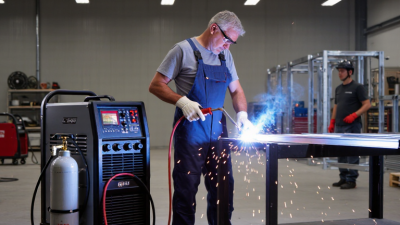
2026 How to Choose Welding Steel for Global Buyers?
Choosing welding steel in 2026 requires more than comparing prices per tonne. Global buyers must connect steel grade, welding method, service conditions, and delivery reliability. A plate that performs well in a dry workshop may fail after repeated exposure to saltwater, freezing temperatures, or heavy vibration.
Dr. John C. Lippold, a respected welding-metallurgy expert, has emphasized this practical principle: “Welding is a materials problem before it is a welding problem.” His point remains highly relevant. The right welding steel should offer suitable carbon content, controlled alloying elements, stable weldability, and dependable mechanical properties. Buyers should review mill certificates, heat numbers, impact-test results, and thickness tolerances before approving a supplier.
Small details matter.
A procurement team should also check whether the steel matches the intended standard, fabrication process, and inspection plan. Carbon steel, low-alloy steel, stainless steel, and weathering steel each behave differently during cutting, forming, preheating, and welding. Poor material selection can create cracking, distortion, rework, or unexpected maintenance costs.
This guide examines the practical questions behind a confident purchase. It considers technical performance, supplier experience, traceability, documentation, and total project risk. Price still matters, but it should not lead the decision alone. That sounds obvious. It is often ignored.
No global buying guide can remove every uncertainty. Even experienced teams may face inconsistent certificates, delayed samples, or incomplete project data. Careful verification remains essential. The strongest choice is not always the cheapest welding steel. It is the material that performs reliably from the first weld to the final inspection.
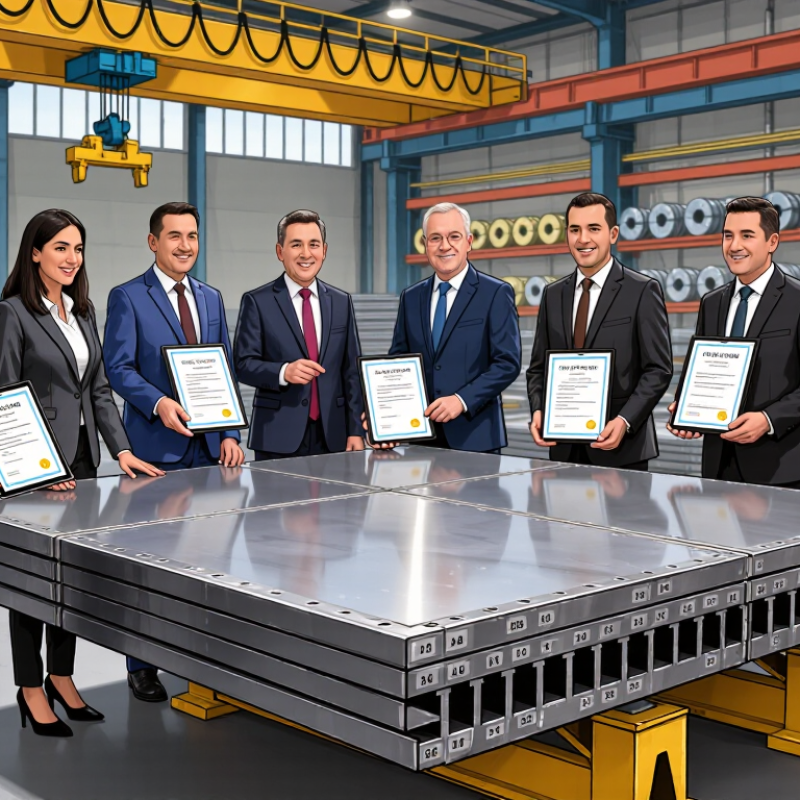
Define Weldable Steel Grades by ASTM, EN, JIS, and GB Standards
2026 How to Choose Welding Steel for Global Buyers?
Define Weldable Steel Grades by ASTM, EN, JIS, and GB Standards
Global steel demand is projected to reach about 1.77 billion tonnes in 2025, according to the World Steel Association’s October 2024 outlook. This volume makes grade selection more than a purchasing decision. It affects weld quality, fabrication speed, inspection costs, and project risk.
ASTM A36 is commonly selected for general structures, while ASTM A572 offers higher strength options. EN 10025 identifies grades such as S275 and S355 by yield strength. JIS G3101 includes SS400, often used for structural fabrication. China’s GB/T 700 defines grades including Q235. These names are not interchangeable. Their chemical limits, impact requirements, thickness ranges, and delivery conditions can differ.
Weldability depends strongly on carbon equivalent, plate thickness, hydrogen control, and heat input. A lower carbon equivalent usually reduces cracking risk, but it does not remove the need for qualified procedures. The ISO /TR 15608 grouping system can help compare materials during welding procedure qualification. Real workshop experience matters here. A plate may pass the mill certificate review yet behave poorly after storage, cutting, or moisture exposure. That detail is easy to miss. Buyers should request the applicable standard edition, heat analysis, mechanical test results, impact temperature, and inspection records. A grade table alone can mislead. I would also verify tolerances against EN 10029 or the relevant national standard before approving substitutions.
Compare Yield Strength from 235 to 690 MPa for Structural Applications
How to Choose Welding Steel for Global Buyers in 2026
Yield strength is a practical starting point when selecting steel for structural welding. Common grades range from 235 to 690 MPa. A 235 MPa grade suits lighter frames, platforms, and general building components. It is usually easier to form and weld. Higher-strength steel can reduce plate thickness and lower overall weight. However, strength alone does not guarantee a safer structure.
At 355 MPa, buyers often find a useful balance between load capacity, availability, and fabrication cost. Steels around 420 or 460 MPa may suit cranes, transport structures, and heavily loaded supports. The 690 MPa range can provide excellent weight savings in demanding designs. It also requires tighter control of preheating, heat input, hydrogen exposure, and welding procedure qualification. Small process errors can create serious cracking risks. Very strong steel is not automatically the best choice.
Check thickness-specific yield values, impact toughness, chemical composition, and delivery certification. Requirements can change between standards and plate thicknesses. Ask the mill or qualified supplier for test reports, welding recommendations, and traceability records. I have seen buyers compare only the MPa number, then face unexpected distortion or slower production. That comparison is incomplete. A design engineer should verify joint details, service temperature, fatigue loads, and inspection methods before purchase. Price estimates also deserve review, because a cheaper plate may demand more preparation, skilled labor, or post-weld testing.
How to Choose Welding Steel for Global Buyers?
Compare nominal minimum yield strength from 235 to 690 MPa for structural applications.
Higher-strength steels can reduce structural weight, but welding procedures, heat input, joint design, toughness, and material availability must also be evaluated. The values shown are representative nominal minimum yield strengths commonly used in international structural steel specifications; actual requirements may vary by thickness, product form, temperature, and applicable standard.
Check Carbon Equivalent Below 0.45% to Control Preheating Requirements
2026 How to Choose Welding Steel for Global Buyers?
Carbon equivalent is a practical screening tool when selecting welding steel. A value below 0.45% usually indicates lower hardenability and reduced preheating demand. It does not eliminate preheating automatically. Thickness, carbon content, hydrogen control, joint restraint, and site temperature still influence cracking risk.
Ask suppliers for the material grade, heat number, chemical analysis, and carbon equivalent calculation. The common formula uses carbon, manganese, chromium, molybdenum, vanadium, nickel, and copper. Confirm which formula applies to your project specification. Different standards may produce different results. Small details matter.
Below 0.45% is only a starting point.
For a 20-millimeter plate in a warm, dry workshop, light preheating may be sufficient. A thicker plate welded outdoors in cold weather may require more heat, even with the same CE value. Measure interpass temperature with a calibrated instrument. Keep electrodes and consumables dry. Use qualified welding procedures and inspect the root area carefully.
Purchasing teams should avoid relying on a single certificate number. Request supporting test data and review the supplier’s production consistency. In practice, CE limits can simplify fabrication, but they can also create false confidence. A safer decision combines chemistry, thickness, restraint, hydrogen management, and actual welding conditions.
Match Charpy Toughness at −20°C with Climate and Service Conditions
2026 How to Choose Welding Steel for Global Buyers?
Match Charpy Toughness at −20°C with Climate and Service Conditions
A steel grade should fit its coldest working environment, not only its purchase specification. Charpy V-notch testing at −20°C measures impact energy under a defined condition. It does not predict every failure mode. A storage tank in northern winter faces different risks from a sheltered workshop in a mild climate.
Review the design temperature, wind exposure, loading pattern, and plate thickness together. Repeated impacts, vibration, and restraint can increase fracture risk. Thick sections may cool unevenly and develop a less forgiving heat-affected zone. Ask for traceable mill certificates showing test temperature, absorbed energy, chemistry, and heat number. Check whether the test direction matches the design requirement.
Welding practice matters just as much. Excessive heat input can weaken toughness near the weld. Poor preheating can create hard, crack-sensitive areas. A qualified welding procedure should reflect the actual thickness, joint type, consumables, and site temperature. Verify the procedure with representative impact tests when the structure is critical.
Do not rely on a single attractive value. A room-temperature result can look reassuring. It can also mislead. Compare the stated −20°C toughness with project records, inspection plans, and the lowest credible service temperature. If the site may reach −30°C, selecting only −20°C data deserves careful review. That small gap may expose a large engineering assumption.
Verify AWS D1.1, ISO 15614, Mill Certificates, and Global Traceability
For global buyers in 2026, welding steel selection begins with verified documentation, not attractive pricing. The World Steel Association reported approximately 1.88 billion tonnes of crude steel production in 2024. Such scale increases supply options, but also increases documentation risks. Request AWS D1.1 compliance when structural welding is involved. Confirm that the supplier’s welding procedure qualification follows ISO 15614. These standards are not interchangeable.
Review every mill certificate carefully. Check steel grade, heat number, chemical composition, mechanical results, thickness, and delivery condition. A certificate can still be wrong. Match its heat number with plate markings, packing lists, and inspection records. EN 10204 3.1 certification is often useful for controlled procurement, but it does not replace independent verification. Consider third-party testing when project risk, thickness, or service conditions justify it.
Traceability must continue through cutting, forming, welding, and final inspection. Record each plate’s heat number, nesting location, welder identification, WPS reference, consumable batch, and non-destructive testing result. ISO’s Survey of Management System Standard Certifications reported more than 1.2 million ISO 9001 certificates worldwide in 2023, showing how common quality systems have become. Yet paperwork alone proves little. A missing transfer record can break the chain. Buyers should audit the process, not only the file. That lesson is easy to miss.
2026 How to Choose Welding Steel for Global Buyers? — Verify AWS D1.1, ISO 15614, Mill Certificates, and Global Traceability
| Verification Dimension | Reference or Acceptance Basis | What the Buyer Should Request | Key Data to Check | Recommended Status |
|---|---|---|---|---|
| Structural welding code | AWS D1.1/D1.1M for applicable structural steel welding projects | Applicable code edition, project specification, approved welding procedures, and qualified welders | Joint details, preheat requirements, interpass temperature, filler-metal classification, inspection requirements, and acceptance criteria | Required when specified |
| Welding procedure qualification | ISO 15614-1 for qualification testing of welding procedures | Welding Procedure Specification (WPS) supported by a Procedure Qualification Record (PQR) | Base-metal group, thickness range, welding process, position, shielding gas, current, voltage, travel speed, heat input, preheat, and post-weld heat treatment | Required when specified |
| Material certificate | EN 10204 Type 3.1 or the certificate level stated in the purchase specification | Independent inspection certificate linked to the delivered material | Heat number, product form, grade, dimensions, chemical analysis, mechanical test results, delivery condition, and authorized inspection confirmation | Required for traceable supply |
| Heat-number traceability | Continuous identification from melting through cutting, fabrication, packing, and shipment | Heat-number register, material marking photos, cutting records, and traceability matrix | Plate or section mark, heat number, batch reference, piece number, quantity, and final packing reference | Required for critical work |
| Chemical composition | Applicable material standard and project limits | Heat-specific chemical analysis rather than only a generic product datasheet | Carbon, manganese, silicon, phosphorus, sulfur, and any specified alloying elements; check carbon equivalent when weldability is important | Verify against the grade |
| Mechanical properties | Applicable material standard and specified delivery condition | Heat-specific test results from the material certificate | Yield strength, tensile strength, elongation, test direction, specimen location, and test temperature where applicable | Verify against the grade |
| Impact toughness | Specified only when required by grade, temperature, service condition, or project design | Charpy V-notch test results and the required test temperature | Impact energy, test temperature, specimen orientation, test location, and number of valid results | Conditional |
| Steel delivery condition | As-rolled, normalized, normalized-rolled, thermomechanically controlled, or quenched and tempered condition as specified | Certificate statement confirming the actual delivery condition | Delivery condition, heat-treatment route, furnace or batch reference where applicable, and compatibility with the WPS | Verify before welding |
| Dimensions and tolerances | Applicable product standard and purchase order | Dimensional inspection report or measured dimensional records | Thickness, width, length, straightness, flatness, squareness, diameter, wall thickness, and permitted tolerances | Required for fabrication fit-up |
| Surface condition | Product standard, project specification, and required preparation level | Visual inspection report and photographs before shipment | Rust, scale, laminations, cracks, dents, edge condition, and any repair or grinding records | Recommended |
| Non-destructive testing | Specified by contract, material class, risk category, or design requirement | UT, MT, PT, or other NDT reports issued by qualified personnel | Inspection method, coverage percentage, equipment identification, acceptance level, operator qualification, date, and report reference | Conditional |
| Weldability review | Material chemistry, thickness, restraint, environment, and applicable welding procedure | Preheat and hydrogen-control recommendation based on the actual material and welding conditions | Carbon equivalent, thickness, joint restraint, consumable storage, preheat temperature, interpass temperature, and cooling control | Required for procedure planning |
| Welder qualification | AWS or ISO qualification system as required by the project jurisdiction | Current welder qualification records covering the required process, position, material, and thickness range | Welder identification, process, position, joint type, material range, thickness range, qualification date, and expiry or continuity records | Required for code work |
| Document consistency | All shipping and quality documents must refer to the same material identity | Document cross-reference sheet before dispatch | Purchase order, heat number, certificate number, inspection report, packing list, piece mark, and shipment quantity | Required |
| Global shipment records | Destination-country import, customs, and project documentation requirements | Commercial invoice, packing list, certificate of origin where required, mill certificate, inspection records, and transport documents | Product description, tariff classification, net and gross weight, package count, country of origin, and document language requirements | Recommended before booking |
Buyer control principle: Confirm the governing project specification first, then match the steel grade, welding procedure, inspection level, certificate type, and traceability system to that requirement. AWS D1.1, ISO 15614-1, EN 10204, material standards, and local regulations may apply differently depending on the project and destination.
Related Posts
-
How to Choose the Best MIG Welder in 2026?
-
10 Essential Tips for Choosing the Right MIG Welding Equipment?
-

What Is a Robotic Welding Machine and How Does It Work?
-
2025 How to Choose the Right Resistance Spot Welder for Your Projects
-
Why Robotic Welding Machines Are Revolutionizing the Manufacturing Industry
-
2026 Best Cheap Mig Welder Options for Budget Conscious DIY Enthusiasts?
Contact us
Please fill out the enquiry form, and our dedicated team will promptly attend to your request