2026 How to Choose the Right Gas MIG Welder for Your Needs?
Choosing the right gas MIG welder can significantly impact your welding projects. A gas MIG welder is versatile and efficient, making it a popular choice among both beginners and experienced welders. This guide aims to help you navigate the selection process.
Welders come with various features. The choice of gas, for instance, affects the quality of your welds. Understanding the different types of shielding gas is crucial. Additionally, the power output of the machine can determine its suitability for various tasks.
Many users find themselves overwhelmed by the options available. It’s easy to feel confused about what features are necessary for your needs. We will explore essential factors such as portability, duty cycle, and price. It’s important to reflect on your specific applications and budget before making a decision. Remember, choosing a gas MIG welder is not just about immediate needs; it's an investment in your future projects.
Understanding Gas MIG Welding and Its Applications
Gas MIG welding offers versatility and efficiency for various applications. It combines a shielding gas with a solid wire electrode. This process creates clean welds, reducing the need for post-weld cleaning. Many industries use gas MIG welding, such as automotive, construction, and fabrication. It's particularly effective with metals like steel and aluminum, making it a popular choice for both professionals and hobbyists.
When considering a gas MIG welder, think about the materials you will work with. Different metals require different settings and gas mixtures. Understanding the properties of these materials helps you choose the right welder. A common mistake is to overlook the importance of gas type. Using the wrong shielding gas can lead to poor weld quality.
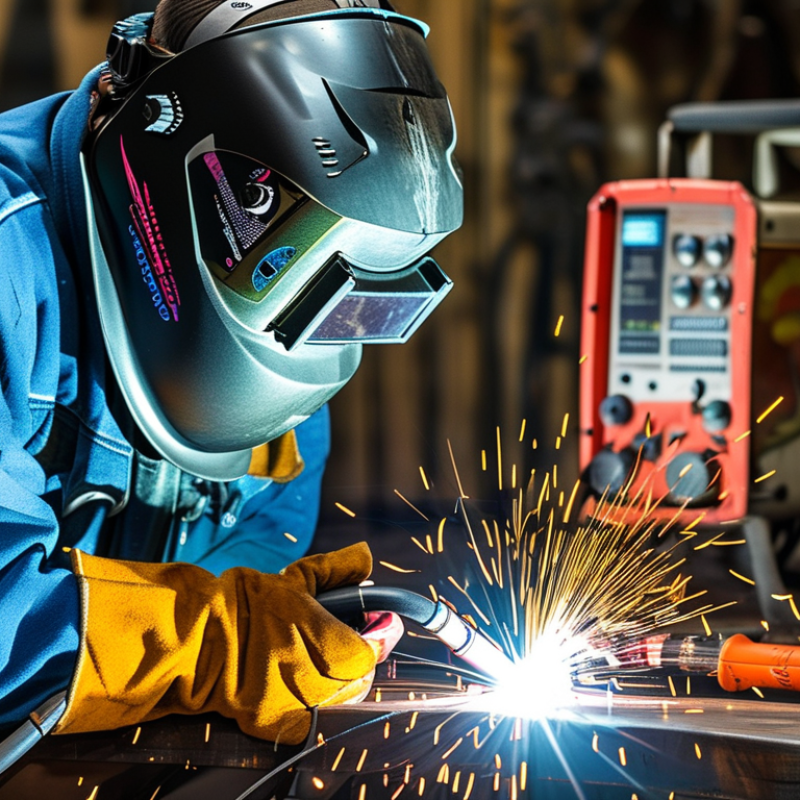
Consider your workspace and project size as well. Large projects may require more power and a larger welder. Portable options can be beneficial for smaller jobs or on-site work. Don't forget to prioritize safety gear. A well-fitted helmet and gloves are essential for protection. As you dive into welding, reflect on your experiences. Identify what works best and where you can improve your technique.
2026 How to Choose the Right Gas MIG Welder for Your Needs?
| Model |
Welding Amperage Range |
Weight (lbs) |
Gas Type |
Applications |
| MIG Welder A |
30-140 Amps |
50 |
AR/CO2 |
Home repairs, Light fabrication |
| MIG Welder B |
40-200 Amps |
70 |
CO2 |
Automotive, Heavy welding |
| MIG Welder C |
50-250 Amps |
90 |
Mixed Gas |
Industrial applications, Structural welding |
| MIG Welder D |
20-150 Amps |
40 |
ARGON |
Hobby projects, Art welding |
Key Features to Consider in a Gas MIG Welder
When selecting a gas MIG welder, certain features stand out. Understanding these can guide your choice effectively. One key feature is the welder's output range. A wider output range can accommodate various materials and thicknesses. This flexibility allows for better control in different welding tasks, whether you are working on thin sheet metal or thicker steel.
Another important aspect is the gas supply system. A reliable gas flow control ensures optimal shielding, preventing contamination during the welding process. Look for models that offer easy adjustments. This can save time and reduce frustration while working. Pay attention to the torch design as well; ergonomic grips can enhance comfort and reduce fatigue over long sessions.
Consider the duty cycle as well. A higher duty cycle means prolonged use without overheating. This is crucial for larger projects or continuous work environments. However, it's essential to reflect on your actual needs. A welder with too high a duty cycle may be unnecessary for simple tasks. Finally, reviews and expert opinions can provide insights into real-world performance, helping you make a more informed choice.
Assessing Your Project Needs and Material Types
When choosing a gas MIG welder, understanding your project needs and the types of materials you will be working with is essential. Different jobs require different approaches. For instance, working on thin sheet metal requires finesse, while heavier materials demand more power. Knowing the thickness of materials is crucial. It influences your welder's output settings and wire selection too.
Think about the types of materials you frequently use. Mild steel is often versatile, but aluminum and stainless steel may require specific considerations. Gas type is also pivotal; argon for aluminum, and a mix for steel, can alter your weld quality dramatically. Each material has unique behaviors under heat, affecting penetration and fusion. This complexity may introduce challenges, especially for beginners.
Even experienced welders encounter issues based on material properties. Warping can happen with aluminum due to its heat sensitivity. Adjusting techniques and settings is necessary, and sometimes, trial and error is part of the learning curve. Awareness of the limitations of your welder and materials can guide you toward improvement. Reflecting on past projects helps in making informed choices for future work.
Budgeting for Your Gas MIG Welder Investment
When budgeting for a gas MIG welder, consider the overall costs, not just the upfront price. Prices vary widely based on features. A welder with basic functionality may be less expensive but could limit your projects. On the other hand, more advanced models offer better performance but come at a higher cost. A detailed comparison of your needs versus the available options can save money in the long run.
Do not overlook additional expenses. Gas tanks, regulators, and various accessories can add up. These items are often essential for completing welding tasks effectively. Remember to factor in ongoing costs such as gas refills and maintenance. It’s easy to underestimate these recurring expenses, which can strain your budget.
Taking the time to evaluate your needs can lead to better choices. Sometimes, the most expensive tool isn’t the best for your specific applications. Make a list of what you actually need for your projects and stick to it. A clear understanding of your unique requirements can guide you toward a well-informed and budget-friendly decision.
Maintenance and Safety Tips for Gas MIG Welding
Gas MIG welding is a versatile process that requires attention to maintenance and safety. Regular maintenance is crucial for prolonging the lifespan of your welder. According to industry reports, 40% of welding equipment failures result from inadequate maintenance. It’s essential to check connections and clean liners regularly to avoid contamination. Additionally, inspecting hoses for wear and leaks can prevent dangerous accidents.
Safety is paramount in gas MIG welding. Ensuring proper ventilation is critical to mitigate hazardous fumes. Studies indicate that without adequate airflow, welders are at risk for respiratory issues. Always wear appropriate personal protective equipment, including gloves, helmets, and steel-toed boots. The right gear minimizes injury risks significantly. According to the National Safety Council, proper equipment usage can reduce accidents by nearly 60%.
Familiarizing yourself with the equipment is just as vital. Understand the specific controls and settings of your machine. Many users overlook the importance of proper setup, which can lead to safety hazards. Training sessions and workshops can help strengthen your skills. Remember, keeping a tidy workspace also contributes to safety by reducing tripping hazards.