Why is Automotive Welding Important for Vehicle Manufacturing?
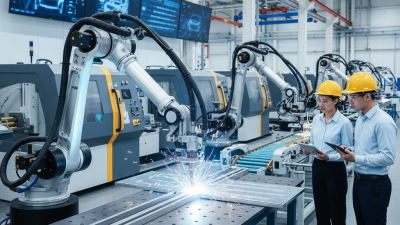
Automotive welding plays a crucial role in vehicle manufacturing. It involves joining metal parts together to create a strong and durable structure. This process ensures that vehicles can withstand daily wear and tear. Without proper automotive welding, the integrity of a vehicle could be compromised.
In manufacturing facilities, welding machines operate tirelessly. They meticulously fuse components, enhancing safety and performance. Every weld must meet high-quality standards for reliability. However, not all welded joints perform as expected. Errors in welding can lead to serious flaws in the final product.
Manufacturers must constantly evaluate their welding techniques. They should seek ways to improve precision and efficiency. Training skilled workers is essential in this regard. Investing in high-quality equipment is also vital. By prioritizing these areas, the automotive industry can advance further while ensuring the safety of drivers and passengers alike.
The Role of Automotive Welding in Vehicle Structural Integrity
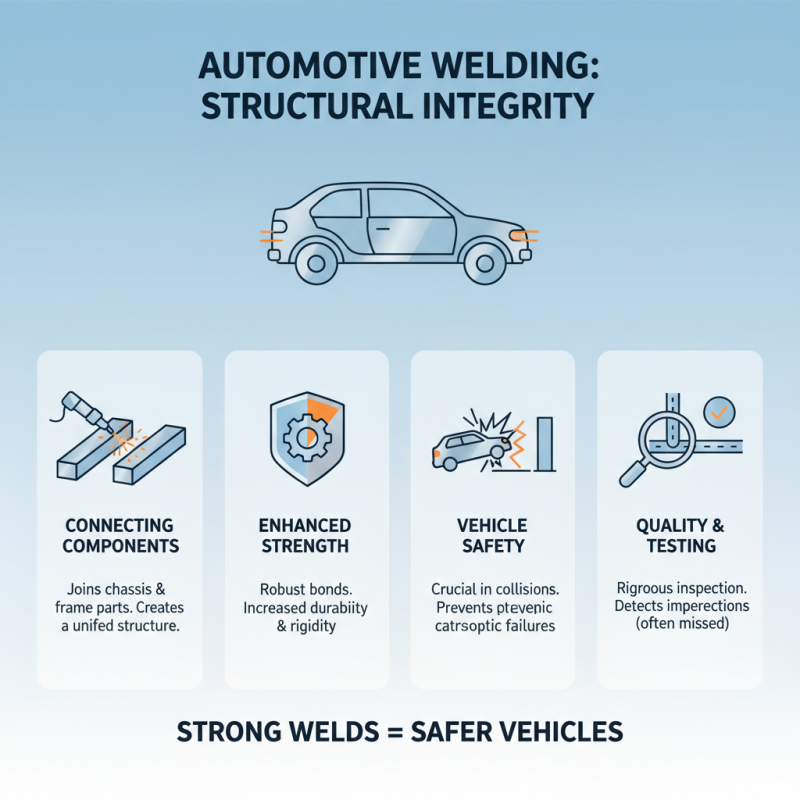
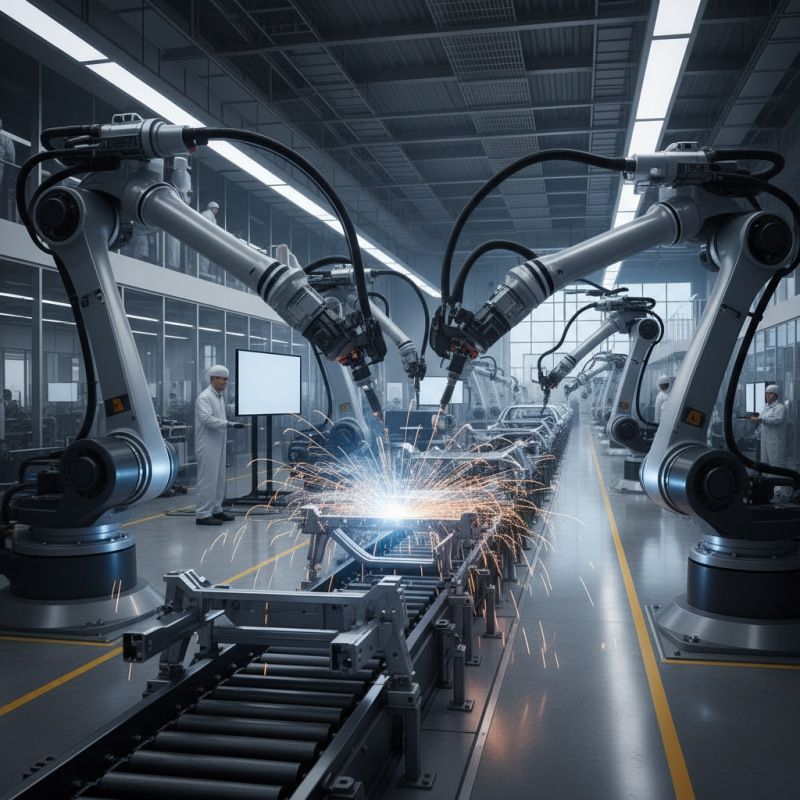
Automotive welding plays a crucial role in ensuring vehicle structural integrity. It connects various components, creating a unified frame. A robust bond enhances strength and durability. This is essential for vehicle safety during collisions. Weak welds can lead to catastrophic failures. Testing welds is a necessary practice, but imperfections often go unnoticed.
The welding process involves several techniques, such as MIG and TIG welding. Each method has distinct benefits and challenges. Choosing the right one affects the final product. In some cases, welds may show defects like porosity. These flaws reduce overall strength and compromise safety. Regular inspections can catch these issues, yet not all manufacturers prioritize this step.
Quality control measures should be strengthened in automotive welding. Consistency in technique leads to better outcomes. Innovations in technology, such as automated welding, present opportunities. However, the reliance on automation raises new concerns. Understanding the human element in welding remains vital. Balancing technology with skilled craftsmanship is essential for exceptional vehicle integrity.
Key Welding Techniques Used in Modern Vehicle Manufacturing
Automotive welding plays a pivotal role in vehicle manufacturing. It ensures structural integrity and overall safety. Modern techniques elevate this process, with laser welding and resistance spot welding leading the way. Laser welding, known for its precision, can join thin materials effectively. It's found in high-end models and is gaining traction due to its speed.
Resistance spot welding remains a staple in mass production. It’s efficient and cost-effective, often used for joining steel sheets. A report by the International Journal of Automotive Technology highlights that spot welding accounts for over 50% of all welding tasks in vehicles. However, it requires careful monitoring. Inadequate cooling or misalignment can lead to weak joints, exposing weaknesses in the assembly.
GMAW, or Gas Metal Arc Welding, is another critical technique. It allows versatility, accommodating various materials. But it’s not without challenges. The weld pools need constant control to avoid defects. An industry report indicates that improper settings can lead to a 15% increase in rework rates. Therefore, while these techniques drive innovation, they demand continuous improvement and quality control to meet safety standards.
Key Welding Techniques Used in Modern Vehicle Manufacturing
Impact of Welding on Vehicle Weight Reduction and Fuel Efficiency
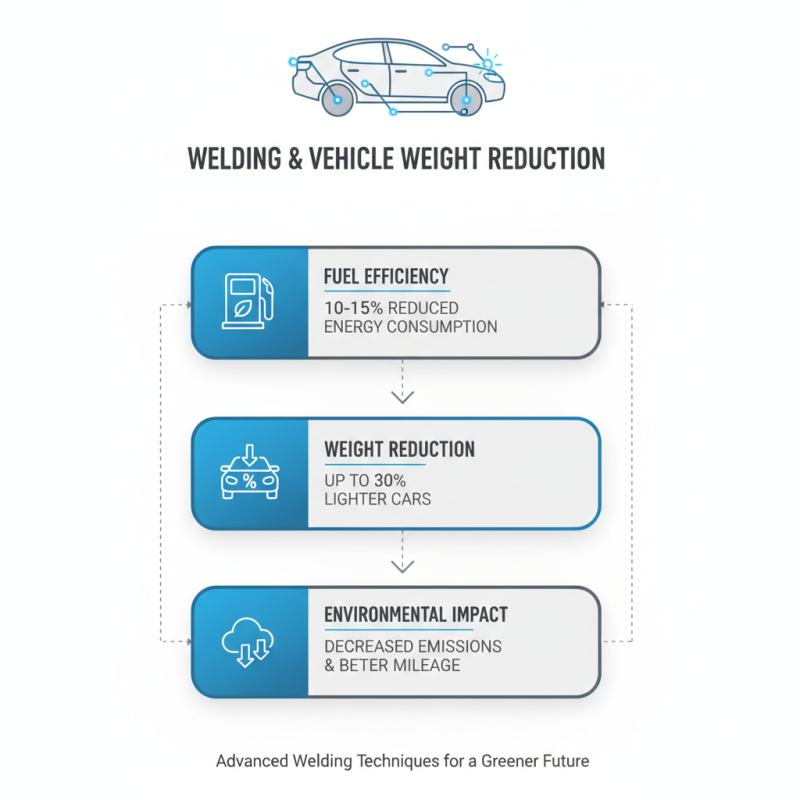
Welding plays a crucial role in vehicle manufacturing, particularly when it comes to weight reduction. Research indicates that cars can lose up to 30% of their overall weight by employing advanced welding techniques. This significant weight reduction directly correlates with improved fuel efficiency, reducing energy consumption by around 10-15%. A lighter vehicle requires less power to move, translating to decreased emissions and better mileage.
Tips: Consider using high-strength materials. These materials can be welded together effectively, allowing for bulk reductions without sacrificing strength.
While many manufacturers focus on aesthetics and technology, the choice of welding processes should not be overlooked. Effective welding can enhance vehicle durability, but poorly executed joints may lead to structural failures. A vehicle that fails in safety tests can cause major setbacks and reputational damage.
Tips: Invest in training for welding technicians. Skilled workers are essential to ensuring that quality standards are met consistently.
Achieving the right balance between weight and strength is challenging. Too much emphasis on light materials can compromise safety and longevity. It's essential to rethink design strategies to ensure that vehicles are not just lightweight but also robust. This balance is critical for sustainable automotive development.
Advancements in Welding Technology and Their Industry Applications
Welding technology has transformed the automotive industry in recent years. Techniques such as laser welding and robotic welding have emerged as industry standards. Reports show that these advancements can increase productivity by up to 30%. This is significant for manufacturers aiming to meet high demand.
Quality and precision are critical in vehicle manufacturing. Advanced technologies ensure stronger seams and better material fusion. For example, the use of laser welding produces welds that are 50% faster than conventional methods. This not only speeds up production but also enhances vehicle safety. However, there’s room for improvement. Some companies still rely on outdated methods.
The industry's shift toward sustainable practices is also noteworthy. Newer welding technologies minimize waste and energy consumption. A study indicates that efficient welding can reduce overall emissions by 20%. As automotive manufacturers adapt, it's crucial to find a balance between speed and quality. Continuous innovation is essential, yet some challenges remain. The industry must stay vigilant about the skills gap in the workforce as technology evolves.
Safety Standards and Regulations Governing Automotive Welding Practices
Automotive welding is crucial for vehicle manufacturing, primarily due to safety standards and regulations. These rules ensure that welded joints can withstand the forces encountered during a vehicle's lifespan. Stricter regulations help prevent accidents, protecting passengers and pedestrians alike. Poor welding practices can lead to catastrophic failures. Studies show that many accidents stem from inadequate welding.
Furthermore, various organizations set guidelines for welding practices. These guidelines dictate the types of materials and welding techniques to be used. For instance, the thickness of materials influences joint strength. It's important that manufacturers adhere to these standards to maintain safety and minimize liabilities. However, not all manufacturers comply fully. The pressure to reduce costs can lead to compromises on safety.
Training is also a critical aspect of automotive welding. Skilled welders must understand both the technical requirements and safety regulations. Continuous education helps welders stay updated on new techniques and safety measures. Yet, there's a gap in training for some workers. Proper investment in skill development would ultimately lead to safer vehicles. These challenges call for reflection and improvement in the industry.
Why is Automotive Welding Important for Vehicle Manufacturing? - Safety Standards and Regulations Governing Automotive Welding Practices
| Welding Type |
Applications |
Safety Standards |
Regulations |
| MIG Welding |
Body panels, chassis |
AWS D1.1 |
ISO 3834 |
| TIG Welding |
Aluminum components |
ANSI/AWS D1.2 |
ASME IX |
| Spot Welding |
Sheet metal assembly |
ISO welder certification |
EN 1090 |
| Laser Welding |
High-strength materials |
AWS D1.6 |
ISO 15085 |