Top Pouch Cell Trimming Machine Suppliers Worldwide

Choosing among the Top Pouch Cell Trimming Machine Suppliers Worldwide requires more than comparing prices or catalog photographs. A reliable supplier must understand pouch cell geometry, aluminum-plastic film behavior, dust control, and production consistency. The machine should trim cleanly around the sealed edge without exposing the electrode stack. Small defects can become serious problems later.

Battery scientist Dr. Shirley Meng has emphasized a closely related principle: “Manufacturing is the key to making better batteries.” Her point fits pouch cell production well. A precise Pouch Cell Trimming Machine supports stable sealing, cleaner inspection, and fewer rejected cells. Yet machine performance depends on practical details. Blade pressure, fixture alignment, trimming speed, and waste collection all matter. Even a powerful machine can produce uneven edges when operators lack proper training.

This guide examines international suppliers through engineering capability, customization, service response, and equipment reliability. It considers whether a supplier can support different pouch sizes, flexible production volumes, and future process upgrades. Factory demonstrations are useful. So are sample trials using real materials. A polished brochure is not enough.

The assessment is not perfect. Supplier data may differ by region, and advertised cycle times can look better than factory results. Buyers should verify them carefully. Ask for edge samples. Check noise, burrs, film damage, and maintenance access. The strongest supplier is not always the largest one. It is often the partner that responds clearly when production becomes difficult.
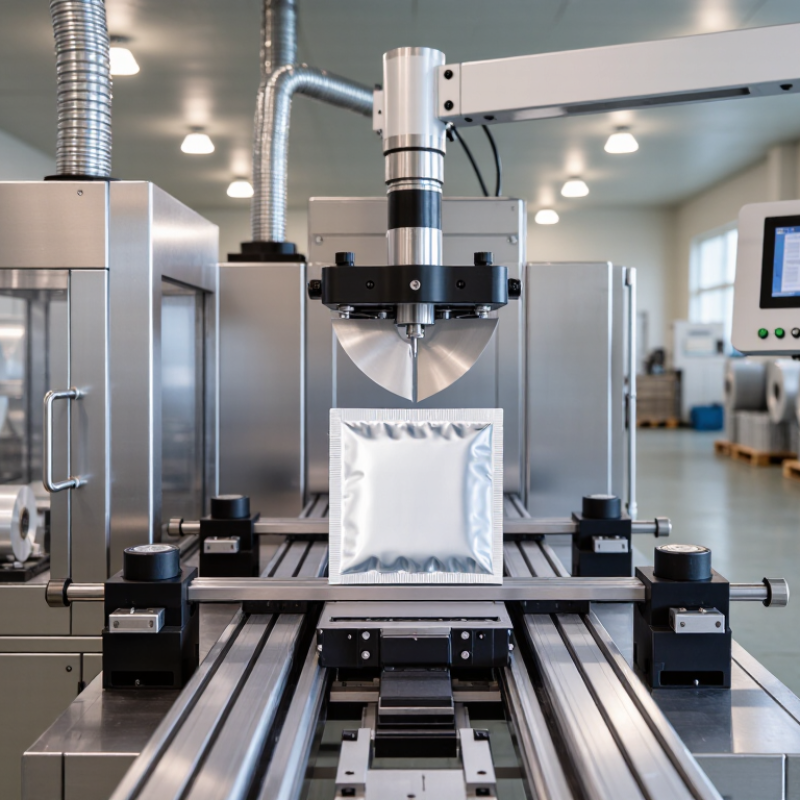
Top Pouch Cell Trimming Machine Suppliers Worldwide

What Is a Pouch Cell Trimming Machine?

A pouch cell trimming machine removes excess aluminum-plastic film after forming and sealing. It creates the final edge profile around the battery cell. The process usually combines precision knives, clamps, sensors, and dust extraction. Some systems also use vision inspection to check dimensions, wrinkles, exposed metal, and incomplete cuts.

The machine does not trim electrodes. That distinction matters. It works on the pouch shell, while protecting tabs and sealed areas from mechanical damage. Operators typically adjust cutting depth, fixture pressure, blade timing, and cell positioning. These settings influence leakage risk and downstream stacking quality.

The International Energy Agency reported that electric-car battery demand exceeded 750 GWh in 2023. Higher production volumes increase pressure for stable, repeatable trimming.

Small defects can become expensive. A loose film edge may interfere with insulation or module assembly. Excessive pressure can mark the pouch surface. In practice, the “correct” setting is not always obvious. Material batches, seal width, and cell thickness can change the result.

Production teams should validate samples, monitor scrap data, and inspect cut edges regularly. This is where machine expertise matters more than headline speed. A fast cycle is useful, but only when dimensional accuracy and cell safety remain consistent. The process looks simple. It is not.

How Pouch Cell Trimming Machines Work

How Pouch Cell Trimming Machines Work

Pouch cell trimming machines remove excess aluminum-plastic film after pouch sealing. The cell enters a guided fixture with its sealed edges facing calibrated cutting tools. Positioning pins and cameras help align the pouch before trimming begins. Even a small offset can damage the seal or expose the electrode stack.

The machine clamps the cell gently but firmly. A servo-driven blade then follows a programmed path around the pouch perimeter. Some systems use rotary knives, while others use straight cutting dies. Sensors monitor pressure, cutting depth, and tool position during each cycle. The removed film falls into a controlled collection area, reducing loose particles near the cell.

Clean edges matter. Jagged cuts may create handling problems during later forming and inspection. Experienced operators check blade wear, fixture marks, and edge dimensions at regular intervals. They also examine finished cells under magnification when defects appear. This step is easy to underestimate. A stable machine can still produce poor results when film tension changes or the pouch is loaded incorrectly.

Reliable equipment should support quick tooling changes, traceable process data, and repeatable dimensional control. In practical production, trimming speed is only one performance measure. Noise, dust control, maintenance access, and operator visibility also affect long-term output. Some trimming settings require adjustment after trial runs, because material stiffness can vary between production batches.

Key Features for Evaluating Global Suppliers

Selecting a pouch cell trimming machine supplier requires more than comparing catalog prices. In production audits, I examine cutting accuracy, edge cleanliness, and repeatability across different pouch sizes. A stable machine should maintain tight tolerances during long runs, not only during a short demonstration. Servo response matters. So does tool adjustment.

Ask suppliers for measurable test data, including cycle time, scrap rate, noise, and changeover duration. Request sample trimming with your actual cell materials. Aluminum laminate can behave differently after heating, sealing, or storage. A clear factory acceptance test reveals practical weaknesses early. Video evidence alone is not enough.

Supplier experience should include installation records, operator training, and responsive technical support across time zones. Check whether spare blades, sensors, and control components remain available for several years. Documentation should show maintenance intervals and calibration procedures. Traceability is essential. Each trial result should be recorded.

I also review how suppliers handle problems. A polished presentation can hide slow communication after delivery. References from comparable production lines are more useful than impressive claims. Ask about failed projects, too. Honest answers build trust, although they may expose gaps. One overlooked detail is floor space for maintenance access. It can delay repairs and increase downtime. Global sourcing demands patience, careful verification, and direct technical questions.

Leading Pouch Cell Trimming Machine Suppliers Worldwide

Leading Pouch Cell Trimming Machine Suppliers Worldwide

Demand for pouch-cell equipment is rising with battery production. The IEA’s Global EV Outlook 2024 reported nearly 14 million electric car sales in 2023. It also estimated global battery manufacturing capacity above 2.6 TWh. This expansion increases pressure on trimming suppliers to deliver stable, repeatable systems.

Experienced suppliers focus on more than cutting speed. Their machines should control burr height, edge position, film damage, and dust generation. A practical acceptance test may inspect hundreds of cells from different material batches. Operators should check ±0.1 mm alignment performance, tool-change time, and rejection records. Small details matter. A damaged sealing edge can affect later forming and sealing steps.

Reliable global suppliers also provide process trials, spare tooling, remote diagnostics, and regional service support. The 2024 Battery Manufacturing Report from the International Energy Agency highlighted the need for resilient and scalable manufacturing systems. However, published specifications can hide important limitations. A supplier may quote peak output instead of sustainable output. This deserves scrutiny. Factory humidity, pouch thickness, and electrode variation can change results. No ranking is perfect, so buyers should compare verified samples, maintenance logs, training quality, and total operating cost. A strong supplier relationship develops through evidence, not impressive brochures.

Top Pouch Cell Trimming Machine Suppliers Worldwide - Leading Pouch Cell Trimming Machine Suppliers Worldwide
Supplier Category Typical Supply Region Recommended Production Stage Typical Throughput Compatible Pouch Cell Formats Typical Trimming Accuracy Common Automation Level Typical Quality and Documentation Requirements Best-Fit Buyer
High-volume battery equipment manufacturers East Asia, Europe, and North America Mass production Approximately 20–60 cells per minute, depending on cell size and process configuration Standard and large-format pouch cells; customized tooling is commonly required Approximately ±0.10–0.30 mm under controlled conditions Fully automatic loading, positioning, trimming, scrap collection, and discharge Machine acceptance testing, electrical safety documentation, pneumatic diagrams, spare-parts lists, and process validation records Automotive, energy-storage, and high-volume cell manufacturers
Specialized pouch-cell trimming equipment suppliers China, South Korea, Japan, Germany, Italy, and other industrial manufacturing centers Low- to medium-volume production Approximately 8–30 cells per minute Small and medium pouch cells with dedicated fixtures Approximately ±0.20–0.50 mm Semi-automatic or automatic operation with recipe management and safety interlocks Dimensional inspection records, tooling drawings, operating manuals, risk assessment, and operator training materials Consumer electronics, medical-device, and specialty battery producers
Custom automation integrators North America, Europe, Southeast Asia, and Australia New production lines and customized projects Approximately 5–25 cells per minute, depending on upstream and downstream integration Non-standard cell dimensions, multiple cell sizes, and customer-specific pouch designs Approximately ±0.20–0.50 mm after process tuning Integrated conveyors, machine vision, traceability, reject handling, and factory-network communication Factory acceptance testing, site acceptance testing, interface specifications, software backups, and change-control records Battery manufacturers requiring line integration or unusual cell geometries
Pilot-line and laboratory equipment suppliers Europe, North America, Japan, South Korea, and China Research, prototyping, and process development Approximately 1–10 cells per minute Small pouch cells and development samples; quick-change tooling is often available Approximately ±0.30–1.00 mm, depending on manual handling and fixture design Manual or semi-automatic loading with adjustable cutting parameters Basic operating instructions, laboratory safety guidance, tooling specifications, and sample-process documentation Universities, research institutes, start-ups, and pilot production teams
Modular equipment builders Worldwide, with strong availability in established machinery markets Production expansion and line upgrades Approximately 10–40 cells per minute Common pouch-cell sizes supported through interchangeable fixtures Approximately ±0.20–0.50 mm Standalone trimming module with optional conveyors, sensors, and inspection units Module interface drawings, utility requirements, maintenance schedules, spare tooling, and installation procedures Factories adding trimming capacity to an existing pouch-cell line
Turnkey battery-line suppliers Asia, Europe, and North America Greenfield manufacturing projects Approximately 15–50 cells per minute as part of a coordinated line Cell formats defined during the line-engineering stage Approximately ±0.10–0.50 mm, subject to pouch material, sealing quality, and fixture design Fully automatic line control with material tracking and production-data collection Overall equipment effectiveness targets, line-layout drawings, validation protocols, training, commissioning, and after-sales support New battery plants seeking a single project-management and integration partner
Refurbishment and retrofit specialists Europe, North America, China, India, and Southeast Asia Existing-line modernization Approximately 5–25 cells per minute, depending on the original line architecture Existing cell formats with replacement or redesigned fixtures Approximately ±0.30–0.80 mm after retrofit validation Controls upgrades, sensor replacement, safety improvements, and optional automatic scrap removal As-built documentation, retrofit risk assessment, software change records, test reports, and maintenance instructions Manufacturers seeking lower capital expenditure and improved legacy-line performance

Data note: The figures shown are representative commercial ranges for pouch-cell trimming equipment. Actual throughput and accuracy depend on pouch-film thickness, cell dimensions, sealing quality, cutting-tool design, fixture repeatability, operator loading method, and line integration. Buyers should confirm the final specifications through sample testing and factory acceptance testing.

How to Select the Right Supplier for Production Needs

Selecting a pouch cell trimming machine supplier requires more than comparing prices. Start with your production details: cell dimensions, trimming tolerance, daily output, material layers, and automation requirements. A capable supplier should explain how its machine handles edge alignment, burr control, dust collection, and tool wear. Ask for measured results, not broad promises.

Request a sample trial using your actual pouch cells. Check cut consistency under continuous operation, not only during a short demonstration. Review cycle time, changeover steps, operator access, and emergency protection. Technical drawings, electrical layouts, maintenance schedules, and spare-parts lists should be clear and complete. They matter later.

Service quality often separates reliable suppliers from attractive offers. Examine installation support, training, response times, software updates, and local technical coverage. Speak with comparable manufacturers about long-term performance. A factory acceptance test can reveal problems before shipment, while a site acceptance test confirms real production results. Do not ignore communication. Delayed answers may become delayed repairs. No supplier is flawless. A practical evaluation should record limitations, open questions, and possible process adjustments. A lower quotation may still cost more if tooling wears quickly or integration requires repeated redesign. Select the supplier that documents risks honestly and improves the machine with evidence.

Contact us

Please fill out the enquiry form, and our dedicated team will promptly attend to your request