What Are the Most Effective Artificial Lift Technologies?
Artificial Lift Technologies play a crucial role in the oil and gas industry. They enhance production rates, especially in challenging environments. The need for efficient extraction methods has never been more pressing. As oil reservoirs deplete, innovative solutions become essential.
Various types of artificial lift technologies exist. Each has its specific applications, advantages, and limitations. For example, electric submersible pumps (ESPs) provide high rates of production but can be costly and complex to maintain. On the other hand, gas lift systems offer simplicity and flexibility, yet their efficiency can wane under certain conditions.
Despite their potential, users must carefully evaluate their choices. Factors like well depth and fluid properties deeply influence effectiveness. Without proper analysis, unexpected failures may occur. Decisions should always consider both costs and technical feasibility. Continuous improvements in artificial lift technologies are necessary to meet evolving industry demands. This ongoing journey prompts reflection and innovation in the field.
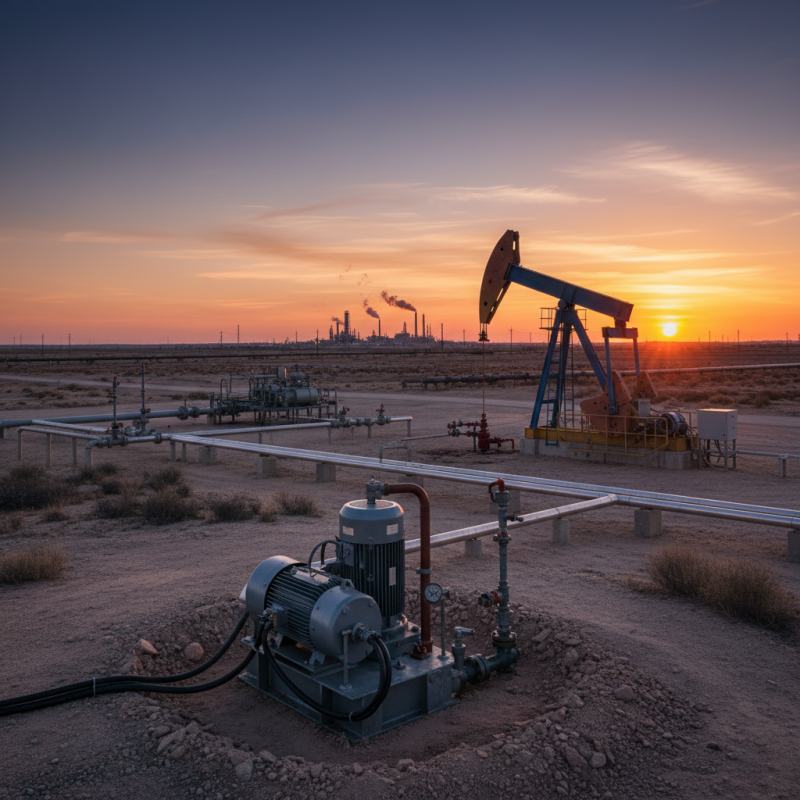
Overview of Artificial Lift Technologies
Artificial lift technologies are crucial in enhancing oil and gas production. They help bring hydrocarbons to the surface in fields where natural pressure is insufficient. As per industry reports, around 60% of oil wells utilize some form of artificial lift. Among these technologies, electric submersible pumps and rod pumps are the most prevalent.
Electric submersible pumps (ESPs) demonstrate efficiency in deep wells. They can handle high volumes of fluid effectively. Reports indicate that ESPs account for over 35% of all artificial lift installations. However, they are more complex to maintain. Frequent interventions may be required, creating challenges in operational efficiency.
On the other hand, rod pumps are simpler and have lower initial costs. They are suited for various well conditions. Nearly 45% of onshore production systems use this technology. Yet, complications can arise when dealing with high viscosity fluids. This requires careful monitoring and can lead to unexpected downtime. In a rapidly changing energy landscape, companies must weigh these options carefully. The choice made can greatly impact production output and costs.
Types of Artificial Lift Methods in Oil Production
Artificial lift methods are crucial in oil production. They help enhance the flow of crude oil from the reservoir to the surface. Various techniques exist, each with unique applications and efficiency levels.
One common method is **electric submersible pumps (ESPs)**. These pumps are submerged in the well, using electricity to lift oil. They are effective for high-flow applications. However, they require regular maintenance. If the electricity fails, the production halts. Gas lift is another option. It uses injected gas to reduce fluid density and improve flow. It’s effective in wells with gas presence. Yet, it can be less efficient in oil-heavy reservoirs.
**Tip:** Ensure that you regularly monitor the performance of your chosen method. This can prevent costly downtimes and maintain production levels. Another important detail is the right selection of artificial lift. Analyze the reservoir conditions carefully. Consider the longevity and potential issues of each method.
In addition to these, rod lift systems remain popular. They operate on mechanical principles, using a surface pump and rods to bring oil to the surface. These systems can struggle with high-viscosity fluids. Operators may find that rod lifts require frequent adjustments. Each artificial lift method has strengths and weaknesses. Understanding the nuances can lead to better oil recovery strategies.
What Are the Most Effective Artificial Lift Technologies? - Types of Artificial Lift Methods in Oil Production
| Artificial Lift Method | Description | Advantages | Disadvantages | Common Applications |
|---|---|---|---|---|
| Rod Pumping | A mechanical method using a rod and pump assembly to lift fluid. | Reliable, low maintenance, suitable for low flow rates. | Limited depth capabilities, not ideal for high productivity wells. | Conventional oil and gas wells. |
| Electric Submersible Pump (ESP) | An electric-driven pump installed downhole to lift fluids. | High efficiency, suitable for high flow rates and deep wells. | High initial cost, requires electricity, maintenance-intensive. | Deep oil wells, high-volume production. |
| Gas Lift | A method involving gas injection to reduce fluid density. | Effective for high gas-oil ratio wells, flexible in operations. | Less effective in low pressure, potential for gas lock issues. | High GOR wells, offshore platforms. |
| Progressing Cavity Pump (PCP) | A positive displacement pump that moves fluid through a helical cavity. | Handles crude oil with solids, low shear, continuous flow. | Limited speed, can have operational costs. | Heavy oil production, unconventional reservoirs. |
| Plunger Lift | Uses a plunger to enhance fluid lifting in wells with intermittent flow. | Low maintenance, good for wells with fluctuating production. | Requires periodic intervention, specialized training may be needed. | Low to medium production oil wells. |
Comparative Analysis of Pumping Systems
In the world of artificial lift technologies, various pumping systems are designed to enhance oil recovery. Each system serves specific needs and conditions. The basics of these systems encompass progressing cavity pumps, rod pumps, and electric submersible pumps. They differ in efficiency, cost, and installation complexity.
When choosing a pumping system, consider the well's characteristics. For example, high-viscosity fluids require different solutions than low-viscosity ones. It's crucial to analyze fluid compositions and production rates before deciding. Observe how each system impacts overall production. What works in one scenario may falter in another.
**Tip:** Regular maintenance of your chosen system can extend its lifespan.
While some systems may excel in certain environments, they may not perform well elsewhere. Experimenting with various technologies can lead to unexpected results.
**Tip:** Keeping track of performance metrics helps identify trends and inefficiencies.
The decision on which artificial lift technology to implement is often a balancing act. Each choice carries potential drawbacks, so continuous evaluation is necessary. Embrace the nuances and challenges of each system. Only then can true optimization occur.
What Are the Most Effective Artificial Lift Technologies?
Factors Influencing the Selection of Artificial Lift Systems
When selecting Artificial Lift Systems, several critical factors come into play. The choice often hinges on reservoir characteristics. For instance, fluid type, viscosity, and pressure conditions all dictate which technology is most suitable. Data reveals that over 70% of oil wells utilize some form of artificial lift, with electrical submersible pumps (ESPs) being a popular choice in deeper wells. However, the complexities of each reservoir can lead to unexpected challenges, requiring a tailored approach.
Cost is another significant factor influencing the selection. Operators often face budget constraints that can limit options. A report indicates that over 60% of projects exceed their initial financial forecasts. This underscores the importance of assessing both upfront costs and long-term maintenance expenses. Environmental regulations also add another layer of complexity, pushing for technologies that minimize ecological impact. Yet, many systems still struggle to meet these standards effectively, leading to a need for innovation.
Ultimately, the decision-making process can become convoluted. While technology advancements promise enhanced efficiency, the realities of field conditions often reveal shortcomings. One report noted that nearly 30% of lift systems installed in the last decade failed to meet performance expectations. This highlights the need for continuous evaluation and adaptation in artificial lift methodologies.
Future Trends in Artificial Lift Technology Development
The future of artificial lift technology development is evolving rapidly. As oil and gas extraction becomes more challenging, the demand for efficient lift methods grows. Reports indicate that up to 80% of wells require some form of artificial lift. Innovations like electric submersible pumps (ESPs) and gas lift systems are leading the way.
Data shows that ESPs have increased in efficiency by nearly 15% over the past decade. New materials and digital monitoring enhance their performance significantly. Yet, this progress comes with challenges. Not all environments allow for easy installation. Moreover, the need for skilled technicians remains a concern.
Predictive analytics is now a game changer. It allows for proactive maintenance, potentially reducing downtime by up to 30%. However, implementing such technologies requires financial investment that many operators hesitate to make. As the industry pushes forward, balancing cost and innovation will be essential for sustainable growth in artificial lift technologies.
Article Source:
Contact us
Please fill out the enquiry form, and our dedicated team will promptly attend to your request