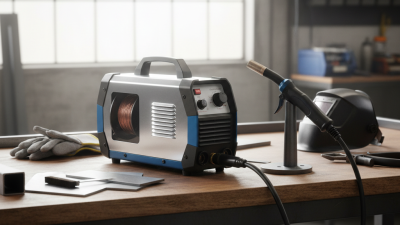
Top Tips for Choosing a Good MIG Welder for Your Projects?
Choosing a good MIG welder can significantly impact your welding projects. According to the American Welding Society, the demand for skilled welders is expected to rise by 26% through 2026. This indicates the importance of reliable tools for both hobbyists and professionals. A good MIG welder should ensure efficiency and high-quality results.
When selecting a MIG welder, consider its duty cycle and power output. A welder with a higher duty cycle allows for longer welding sessions, which is crucial in industrial settings. Many users overlook this aspect, leading to frustration during extended projects. Additionally, a lightweight design can enhance portability, making it easier to transport for various jobs.
Consumer reports often highlight the need for versatility. A good MIG welder should handle different materials, such as steel and aluminum. Many welders excel with steel but fall short on aluminum. This limitation can restrict project options, reflecting the need for careful selection. Investing time in researching specs and user reviews can lead to smarter choices and better outcomes.
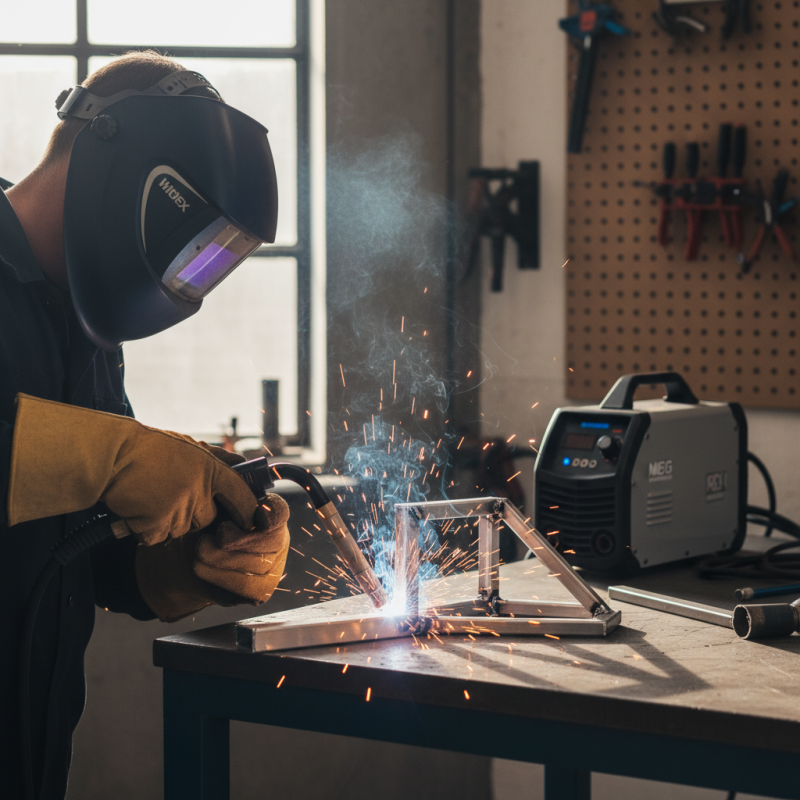
Understanding the Basics of MIG Welding Technology
MIG welding, or Metal Inert Gas welding, is a versatile technique that combines speed and efficiency. Understanding its basics is crucial for anyone looking to undertake welding projects. The process involves feeding a continuous wire electrode through a welding gun. This electrode melts and fuses the base metals together. A shielding gas, usually argon or CO2, protects the weld from contamination.
When selecting a MIG welder, consider the type of materials you will work with. Thicker materials require more power, so choose a machine with higher amperage. It's essential to understand duty cycle ratings. A welder with a longer duty cycle can operate for extended periods without overheating. This feature can significantly impact the quality of your projects.
Not every welder is perfect for every task. Beginners may struggle with settings and technique, leading to inconsistent welds. Patience and practice are necessary for mastering the craft. It’s valuable to seek guidance from experienced welders. Join forums or local workshops for hands-on advice and troubleshooting. Embracing imperfections will lead to growth and ultimately enhance your welding skills.
Key Features to Consider When Choosing a MIG Welder
Choosing the right MIG welder for your projects requires careful consideration of key features. One vital factor is the welder's power output. A model with adjustable settings allows you to work on various materials and thicknesses. Look for welders that range from 30 to 250 amps, providing flexibility for different tasks.
Another essential feature is the duty cycle. This refers to the amount of time the welder can operate before needing a break. For home projects, a 60% duty cycle is usually sufficient. However, heavier tasks may require a higher rating. Always check the specs to avoid frustration during use.
TIP: Consider portability. A lightweight welder makes it easier to move around your workspace. Additionally, an easy-to-understand control panel can save you time and help you focus on your project. Sometimes, the best choice isn't the most expensive one. A budget welder may still meet your needs if you plan wisely.
Remember, not all welders perform equally well. Some may struggle with thicker materials, leading to underwhelming results. Don't hesitate to read reviews or seek advice from experienced welders. Engaging with a community can enhance your understanding and guide you to the right choice.
Assessing Your Project Needs and Material Types
When assessing your project needs and material types for MIG welding, consider the thickness of the materials you'll be working with. Thicker materials require a welder with more power. If you only plan on welding thin sheets, a less powerful unit may suffice. Choose according to the metals, whether aluminum, stainless steel, or mild steel. Each requires specific welder settings.
Tip: Always match the welder's output to your material's thickness. For thin materials, an output of 100 amps can be effective. For thicker sections, aim for at least 200 amps. This ensures proper penetration and a good bead.
Additionally, consider the welding environment. Indoor projects may allow for less powerful machines, while outdoor tasks might need more robust options due to wind or other variables.
Tip: Don't overlook the importance of shielding gas. The right gas mix can enhance weld quality and prevent defects. Generally, a mix of argon and CO2 provides excellent results for a variety of materials. Remember, experimenting with settings can yield different outcomes. Always take notes on what works best in different scenarios.
Top Tips for Choosing a Good MIG Welder for Your Projects
| Criteria |
Description |
Example Values |
| Power Output |
The wattage that indicates the welder’s capability. |
150A, 200A, 250A |
| Material Types |
The types of materials the welder is compatible with. |
Mild Steel, Stainless Steel, Aluminum |
| Duty Cycle |
Percentage of time the welder can operate before needing a cooldown. |
20%, 60%, 100% |
| Wire Size |
The diameter of wire used in MIG welding. |
0.030", 0.035", 0.045" |
| Portability |
Ease of transport and use in various locations. |
Lightweight, Cart-mounted, Stationary |
| Cooling System |
Methods used to cool the welder during operation. |
Air Cooled, Water Cooled |
Comparative Analysis of Different MIG Welder Brands
When choosing a MIG welder, brand reputation can significantly influence your decision. Some brands stand out due to their durability and ease of use. These brands often prioritize user experience, making their products accessible for both beginners and experienced welders. They provide detailed manuals and online support. This adds value, especially if you face any challenges.
However, not all respected brands cater to every user's specific needs. Some may focus more on industrial applications, while others target hobbyists. This can lead to confusion when selecting a model that fits your project requirements. Look for reviews and testimonials from users with similar needs. This will guide you toward a purchase that aligns with your own projects.
Considering the price versus features is crucial. Some welders may be cost-effective but lack essential functions. Check if the features justify the price. Testing a model, if possible, is key. This hands-on experience can reveal both strengths and weaknesses you might otherwise overlook. Adapting your choice requires careful thought. Each decision should reflect your expertise and project demands.
Comparison of MIG Welder Performance Metrics
Budgeting and Cost Considerations for Your MIG Welder
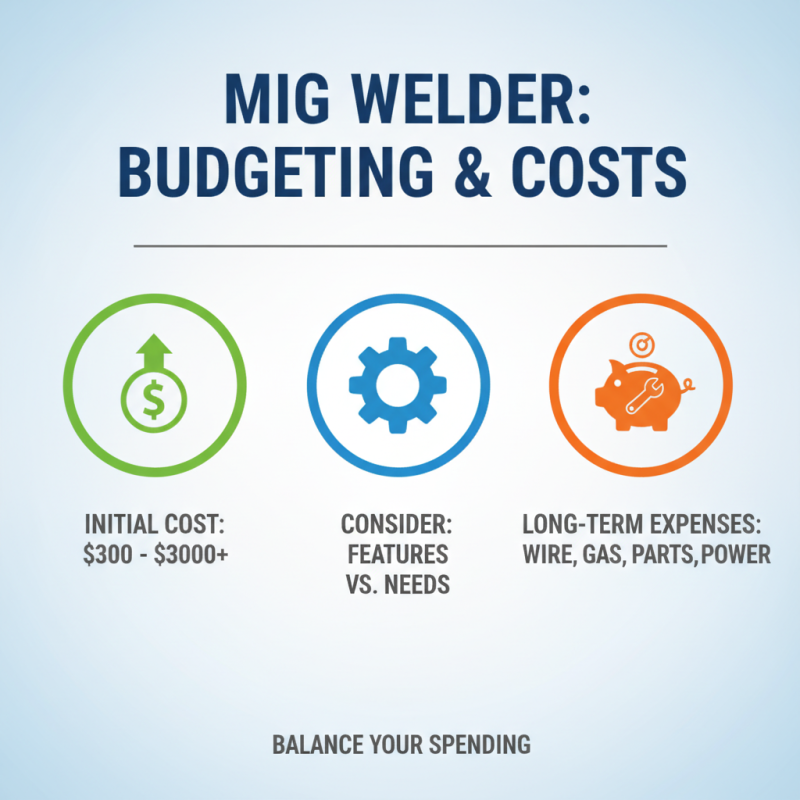
When budgeting for a MIG welder, it's crucial to consider both initial costs and long-term expenses. Good welders can range widely in price, typically from a few hundred to several thousand dollars. A more expensive model might offer advanced features but could be overkill for simple projects. Balance your needs with what you can realistically spend.
Think about the cost of consumables, too. Wire, gas, and tips will add up over time. Some cheaper welders use specific consumables that can make ongoing costs rise unexpectedly. Additionally, maintenance and potential repairs should be factored into your budget. A welder might look like a bargain, but hidden costs can make it less appealing.
Don't underestimate the power of your skills. Sometimes, investing more in a welder isn't necessary if you're still learning. Choosing a less expensive model can allow you to practice without a huge financial commitment. You will need to assess your projects realistically. Will the investment pay off in efficiency or quality? Always reflect on your choices and consider what works best for your situation.