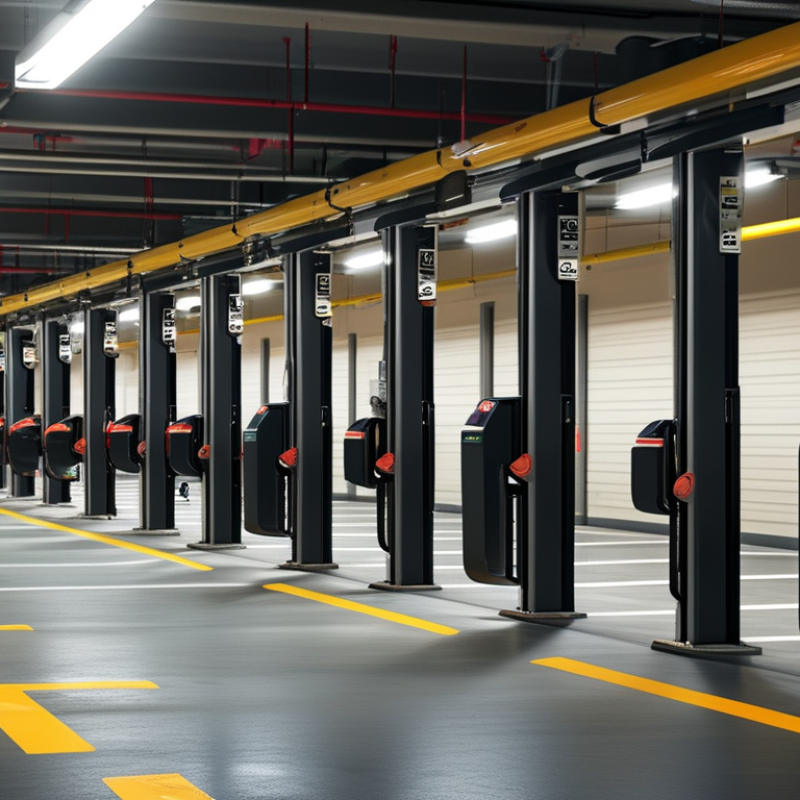
Top 5 Tips for Choosing Parking Equipment for Your Business?
Choosing the right parking equipment is crucial for any business. The parking system can greatly affect customer satisfaction. A well-thought-out parking solution enhances convenience and efficiency.
When selecting parking equipment, consider your specific needs. Analyze how many vehicles you typically accommodate. Look at the space available. It’s not just about functionality; aesthetics matter too. Equipment should fit your business's branding and environment.
Different types of parking equipment offer various benefits. Some may seem ideal at first but may not suit your long-term goals. Assess each option carefully. Gathering feedback from users can provide insights too. Take time to reflect on your choices. The right equipment can elevate your business reputation, while poor choices can lead to frustration.
Understanding Your Business's Parking Needs and Space Requirements
Choosing the right parking equipment involves understanding your business’s unique needs and space. Assess the volume of vehicles you typically accommodate. Consider peak hours and average foot traffic. This information will guide your decisions on equipment size and functionality.
Think about the layout of your parking area. Is it a small lot or a multi-level structure? Limited space demands compact solutions like vertical parking systems. You may find these options fit perfectly within tight boundaries. Don’t overlook accessibility requirements. Your equipment should cater to all customers, including those with disabilities.
Reflect on future growth as well. A system that meets today’s needs might not suffice tomorrow. Flexibility in design and technology can save time and costs down the road. Do regular assessments to ensure your equipment remains efficient. An outdated solution can lead to frustration and reduced customer satisfaction. Stay informed about innovations that could enhance your setup. This holistic approach will lead to a better parking experience both for your business and your customers.
Evaluating Different Types of Parking Equipment Available in the Market
When evaluating various types of parking equipment, consider key features that align with your business needs. Automatic parking systems save space and reduce labor costs. They can efficiently handle more vehicles than traditional methods. However, installation can be costly and complex. Assess your budget carefully to ensure long-term benefits.
Mobile payment options increase customer convenience. Offering various payment methods can enhance user satisfaction. Still, investing in technology needs regular updates. Maintenance can be a hidden cost that businesses often overlook. Aim to balance tech investment with customer experience.
Lastly, ensure that the equipment meets safety standards. Poorly designed parking solutions can lead to accidents and liabilities. Research best practices in your industry. Engage professionals for insights on durable equipment. This approach helps avoid potential pitfalls in your parking strategy.
Analyzing Budget Constraints and Maintenance Costs for Equipment
When selecting parking equipment, budget constraints and maintenance costs are key factors. A study by the International Parking & Mobility Institute indicates that operational budgets for parking facilities can be tight. On average, maintenance accounts for about 20% of these budgets. Investing in high-quality equipment may seem expensive upfront, but it can lead to lower long-term maintenance costs.
Consider the lifespan of the equipment. Many types of parking systems can last over 10 years with proper care. However, cheaper options often require frequent repairs or replacements. Data reveals that businesses spend approximately 15% more annually on maintenance for lower-quality equipment. This is significant when you calculate the total cost of ownership over time.
Moreover, it’s crucial to analyze the total lifecycle costs, not just initial prices. Sometimes, the savings on maintenance can offset the higher purchase price. Some equipment may need specialized technicians, increasing labor costs. Understanding these variables can help businesses make informed choices that align with their financial objectives. The decision should focus on long-term viability rather than just initial savings.
Considering User Experience and Accessibility Features for Customers
When selecting parking equipment, user experience and accessibility should be top priorities. Customers come from diverse backgrounds and may have varying physical abilities. Providing a seamless parking experience can enhance their overall visit. Simple features can make a significant difference. Clear signage that is easy to read helps guide users. Well-marked routes and designated areas are crucial for those with mobility issues.
Incorporating accessibility features is essential. Equipment such as automated payment machines should be user-friendly. They should have touchscreens or voice instructions. Parking payment apps can simplify transactions, but they must be intuitive. Consideration of various users will improve satisfaction and loyalty. Regular feedback from customers can pinpoint areas needing improvement. Monitoring user experience helps identify any flaws in the system.
While striving for perfection, some aspects might still need refinement. Perhaps the layout isn’t ideal, or the payment process is confusing. Regular assessments of your parking solutions can reveal these issues. Listening to customer concerns leads to better decisions. The goal is to create an inclusive environment, ensuring everyone feels welcome. Investing in accessibility is not just about compliance; it is about cultivating a positive reputation for your business.
Reviewing Vendor Reputation and Support Services for Equipment Choice
When selecting parking equipment for your business, the vendor's reputation and support services must be essential factors. A reliable vendor has a track record of quality and dependable service. Look for companies that have been in the industry for several years. Their experience often translates into better product offerings and customer care.
Tip: Research online reviews and ratings. Pay attention to customer feedback regarding both products and support responses. A vendor that addresses issues quickly can save you from many headaches in the future. It’s worth noting that not all vendors are responsive. Some may only focus on sales without proper aftercare. Choose wisely.
Another critical aspect to consider is the availability of support services. Does the vendor offer technical support? Are they accessible after a sale? You might find that some vendors do not provide adequate post-installation service. A short warranty period may also indicate lower reliability.
Tip: Ask potential vendors about their support structures. Reliable vendors often provide training for your staff and respond promptly to any inquiries or technical problems. In an evolving business landscape, having a supportive vendor can be an invaluable asset.