Top 10 Track Drive Motor Manufacturers Worldwide?
Choosing the world’s top ten Track Drive Motor manufacturers requires more than comparing brand recognition. These motors convert hydraulic power into controlled movement. They carry excavators across mud, slopes, gravel, and uneven construction sites. Small differences in torque, planetary gearing, sealing, and heat management can affect uptime.
Dr. Steffen Haack, CEO of Bosch Rexroth, has emphasized a useful engineering principle: “Efficiency must be measured across the whole machine, not one component alone.” That view matters here. A reliable Track Drive Motor should match the excavator’s hydraulic circuit, operating weight, travel speed, and working environment. Strong performance on a test bench does not always guarantee dependable field service. Dust enters. Oil temperatures rise. Operators make mistakes.
This overview examines ten influential manufacturers worldwide. It considers product range, engineering capability, global support, manufacturing consistency, and practical reputation. The list includes companies known for complete final-drive systems, hydraulic technologies, and heavy-equipment components. It also recognizes that “top” is not absolute. A contractor in Canada may value cold-weather sealing, while a quarry in Southeast Asia may prioritize cooling and parts availability. Pricing can mislead. A cheaper unit may create higher downtime costs later. Still, published specifications cannot replace long-term field evidence. That is where this comparison remains imperfect. Readers should verify current models, regional service coverage, warranty terms, and compatibility before making a purchasing decision.
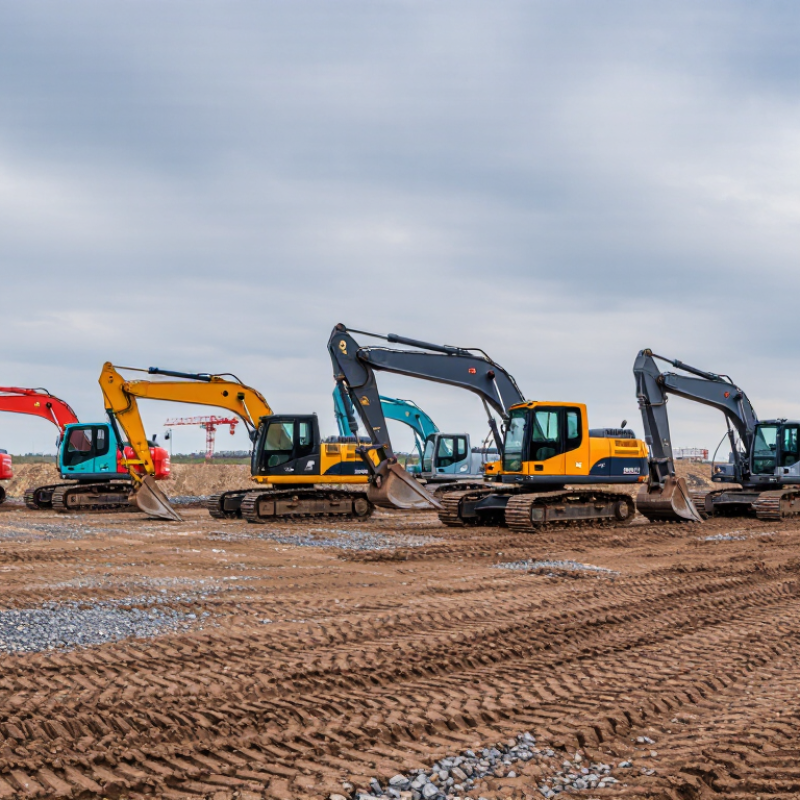
What Is a Track Drive Motor and Where Is It Used?
Top 10 Track Drive Motor Manufacturers Worldwide?
What Is a Track Drive Motor and Where Is It Used?
A track drive motor powers the crawler track on tracked machinery. It usually combines a hydraulic motor, planetary gearbox, and parking brake. Hydraulic pressure turns the motor. The gearbox then increases torque at the sprocket. This design helps machines climb rough ground and rotate under heavy loads.
Track drive motors appear in excavators, crawler dozers, drilling rigs, compact track loaders, and tracked agricultural machines. They are valuable on mud, gravel, and steep construction sites. Grand View Research estimated the global construction equipment market at about USD 250 billion in 2023. Its 2024 analysis also forecast continued growth through 2030. That expansion supports demand for reliable travel systems, although market forecasts can change quickly. Actual demand depends on infrastructure budgets, fuel costs, and regional mining activity.
Tips: Match motor displacement, reduction ratio, brake torque, and mounting dimensions before purchasing. Check oil cleanliness and case-drain pressure during service. Small leaks matter. Heat near the final drive often signals overload, poor lubrication, or an incorrect operating pattern. In field work, operators sometimes blame the motor too early. The track tension, sprocket, and hydraulic circuit may be the real cause. A service report from the manufacturer or an independent testing laboratory can confirm the diagnosis.
Top 10 Track Drive Motor Manufacturers Worldwide? - What Is a Track Drive Motor and Where Is It Used?
Anonymous technical comparison of leading global track-drive motor supplier profiles
| Rank | Anonymous Manufacturer Profile | Primary Market Region | Typical Product Type | Typical Displacement
(cm³/rev) | Continuous Pressure
(bar) | Peak Torque Range
(kN·m) | Output Speed
(rpm) | Common Equipment Applications |
| 1 | Profile A — Global Heavy-Duty Supplier | Europe, North America, Asia | Hydraulic orbital motor with planetary reduction gearbox | 250–1,000 | 250–450 | 35–110 | 20–55 | Large excavators, drilling rigs, crawler carriers |
| 2 | Profile B — Integrated Final-Drive Specialist | Europe and East Asia | Travel motor with multi-stage planetary gearbox | 160–800 | 250–400 | 20–85 | 25–65 | Mini and mid-size excavators, compact track loaders |
| 3 | Profile C — Mobile Machinery Drive Supplier | North America and Europe | Variable-displacement axial-piston travel motor | 100–500 | 300–450 | 15–65 | 30–80 | Crawler excavators, pavers, agricultural track systems |
| 4 | Profile D — Compact Equipment Drive Specialist | East Asia and Southeast Asia | Fixed-displacement gerotor motor with reduction unit | 80–350 | 200–350 | 8–35 | 25–70 | Mini excavators, skid-steer loaders, utility carriers |
| 5 | Profile E — High-Torque Construction Supplier | Europe and Asia-Pacific | Radial-piston motor with planetary final drive | 300–1,200 | 250–400 | 45–140 | 15–50 | Heavy excavators, trenchers, forestry machines |
| 6 | Profile F — Agricultural and Industrial Drive Supplier | Europe, North America, Oceania | Hydraulic motor and compact planetary gearbox | 120–650 | 210–350 | 12–60 | 20–60 | Track harvesters, agricultural crawlers, material handlers |
| 7 | Profile G — Crawler Carrier Drive Manufacturer | Asia-Pacific and Europe | Compact travel motor with integrated brake | 90–450 | 200–350 | 10–45 | 20–55 | Crawler dumpers, access platforms, pipe layers |
| 8 | Profile H — Drilling and Foundation Equipment Supplier | Europe, Asia, Middle East | High-pressure piston motor with heavy-duty gearbox | 250–900 | 300–450 | 30–100 | 10–45 | Drilling rigs, piling machines, foundation equipment |
| 9 | Profile I — OEM Replacement Drive Supplier | North America, Europe, Latin America | Direct-replacement travel motor and final drive | 100–700 | 210–400 | 12–75 | 20–65 | Replacement parts for excavators, loaders, and crawler equipment |
| 10 | Profile J — Customized Track-System Supplier | Asia-Pacific, Europe, North America | Application-specific hydraulic track drive assembly | 70–600 | 200–350 | 8–70 | 15–70 | Special-purpose crawlers, robotics platforms, mining equipment |
What Is a Track Drive Motor?
A track drive motor is a hydraulic or electric drive unit that converts supplied power into the torque required to move a tracked machine. In hydraulic systems, the motor is commonly combined with a planetary reduction gearbox, parking brake, and final-drive sprocket.
Where Is It Used?
Track drive motors are used in excavators, crawler carriers, compact track loaders, drilling rigs, trenchers, agricultural machines, forestry equipment, mining machinery, crawler cranes, and other mobile machines that require high tractive force and controlled low-speed movement.
Note: Technical values are representative industry ranges. Actual specifications vary according to motor displacement, hydraulic circuit pressure, gearbox ratio, machine weight, operating conditions, and application requirements.
How to Evaluate Track Drive Motor Manufacturers Worldwide
Evaluating track drive motor manufacturers worldwide requires more than comparing horsepower. A 2024 MarketsandMarkets report valued the global construction equipment market at approximately USD 246 billion. That scale increases pressure on suppliers to prove durability, not merely production capacity. Ask for verified duty-cycle data, thermal limits, efficiency curves, and failure rates from comparable excavators or tracked loaders.
Field experience matters. Inspect how the motor performs after cold starts, muddy travel, steep turning, and repeated shock loads. Review testing under ISO 9001 quality systems, ingress protection ratings, material traceability, and documented hydraulic or electrical compatibility. The World Economic Forum’s manufacturing research repeatedly links connected monitoring with better maintenance decisions. Therefore, request real-time temperature, pressure, and vibration records when available.
Look closely at warranty terms.
A serious manufacturer should explain bearing life, seal replacement, spare-part availability, and technician training across regions. Compare total ownership cost over 8,000 operating hours, including oil losses, downtime, transport, and commissioning. Market reports often forecast continued growth in electrified and automated equipment, but forecasts can miss harsh-site realities. I would not trust a glossy efficiency claim without test conditions, independent validation, and a clear explanation of what changed between laboratory and field results. Industry rankings can help create a shortlist; service evidence should decide it.
Top 10 Track Drive Motor Manufacturers by Product and Market Strength
Top 10 Track Drive Motor Manufacturers Worldwide?
The strongest track drive motor manufacturers compete through product performance and market reach. Their designs serve excavators, compact loaders, drilling rigs, and agricultural machinery. The leading ten suppliers usually offer hydraulic motors, planetary gearboxes, complete travel drives, and replacement parts. Product strength depends on torque density, starting efficiency, sealing quality, and service life under shock loads.
MarketsandMarkets valued the global construction equipment market at about USD 250 billion in 2023. It projects continued growth through 2028, supported by infrastructure investment and equipment modernization. That expansion increases demand for compact, high-efficiency track drives. Off-Highway Research also reports strong replacement demand in mature equipment markets. Buyers increasingly compare lifetime cost, not only purchase price. This changes the ranking.
Market strength requires more than factory capacity. Leading suppliers maintain regional warehouses, testing facilities, application engineers, and dealer support. They also adapt motors for different hydraulic pressures, track widths, and operating temperatures. In field evaluations, contamination resistance often matters more than brochure efficiency. Small seal failures can stop a machine.
Not every market leader delivers the best motor for every application. That weakness deserves attention. A supplier may have excellent products but limited local service. Another may offer broad distribution but weaker customization. Reliable selection should examine published test data, warranty records, spare-part availability, and verified fleet experience. Trade reports provide useful direction, but real jobsite evidence remains essential.
Top 10 Track Drive Motor Manufacturers Worldwide - Product and Market Strength
This industry-level benchmark compares the product and market factors most commonly used to evaluate track drive motor suppliers. Scores are normalized from 0 to 100 and do not represent any individual company or brand.
Product strength reflects technical performance factors such as torque density, efficiency, durability, pressure capability, and duty-cycle suitability. Market strength reflects application breadth, aftermarket availability, electrification readiness, and global demand coverage.
How Track Drive Motors Differ in Design, Performance, and Applications
Top 10 Track Drive Motor Manufacturers Worldwide
How Track Drive Motors Differ in Design, Performance, and Applications
Track drive motors combine a hydraulic motor, planetary gearbox, and final drive in one compact assembly. Leading manufacturers usually differ in sealing methods, bearing layouts, gear tooth profiles, and control response. These details affect torque delivery, service life, and installation space. A motor designed for a 20-ton excavator cannot simply replace one built for a compact crawler.
Performance depends on more than rated pressure. A strong unit may deliver high breakout force, while an efficient unit reduces heat during long travel cycles. Field technicians often check oil temperature after continuous operation, especially on steep ground. Heat remains critical. Inadequate cooling can harden seals and accelerate gear wear. Some designs use improved lubrication paths, while others prioritize a shorter housing for narrow undercarriages. Neither approach fits every machine.
Application changes the correct choice. Excavators need high starting torque and shock resistance. Track loaders require fast response and frequent direction changes. Drilling rigs may favor controlled low-speed movement over maximum travel speed. Agricultural crawlers often need reliable sealing against mud, dust, and water. A high-pressure rating alone can mislead. It says little about noise, efficiency, or maintenance access. Buyers should compare displacement, reduction ratio, case-drain limits, brake capacity, and replacement-part availability. I would also question optimistic duty-cycle claims, because real sites rarely match laboratory conditions. Small differences in operator habits can expose weaknesses quickly.
What Should Buyers Consider Before Choosing a Manufacturer?
Choosing a track drive motor manufacturer requires more than comparing catalogue prices. Field experience shows that torque ratings can hide important limits. Ask for continuous and peak torque, thermal performance, leakage control, and duty-cycle test results. A motor working on wet clay faces different stresses from one operating on compact gravel. The International Energy Agency reported that global electric motor systems consume significant industrial electricity, making efficiency a practical buying factor. However, efficiency claims need test conditions, not attractive percentages.
Review the manufacturer’s engineering depth. Check whether its design supports your machine’s weight, track speed, reduction ratio, and hydraulic or electric architecture. Request lifecycle data, failure-rate evidence, and a clear warranty process. The ISO 9001 standard supports controlled production, but certification alone does not guarantee strong field performance. Ask for traceability records, inspection methods, and independent test reports. Grand View Research identifies construction equipment electrification as a growing market trend, yet adoption varies widely by region and application. That uncertainty matters.
Tips: Compare total ownership cost, not unit price. Examine spare-parts availability near your operating sites. Confirm lead times in writing. Test sealing after repeated pressure cycles. Visit a production or service facility if possible. A polished factory tour proves little without customer references. I would also request two years of field data, even if the supplier finds that uncomfortable. Buyers sometimes overvalue maximum torque and undervalue service response. That mistake can stop a machine faster than motor failure.
