Top 10 Benefits of Using Architectural Glass for Your Projects?
Architectural Glass has become a cornerstone in modern construction. Its use enhances both aesthetics and functionality. This versatile material offers several advantages that benefit a variety of projects. Each glass type serves unique purposes, from improving natural light to providing insulation.
Many architects and designers choose architectural glass for its visual appeal. It creates seamless transitions between indoor and outdoor spaces. This connection with nature can elevate the atmosphere of any structure. Moreover, architectural glass is known for its durability. It withstands harsh weather conditions, ensuring longevity in various environments.
This material is also energy-efficient. Many varieties reflect heat, reducing energy costs. However, it’s crucial to consider potential drawbacks as well. Installation can be complex and requires skilled professionals. The initial cost might be higher than traditional materials. Understanding both benefits and challenges is essential for successful integration of architectural glass in your projects.
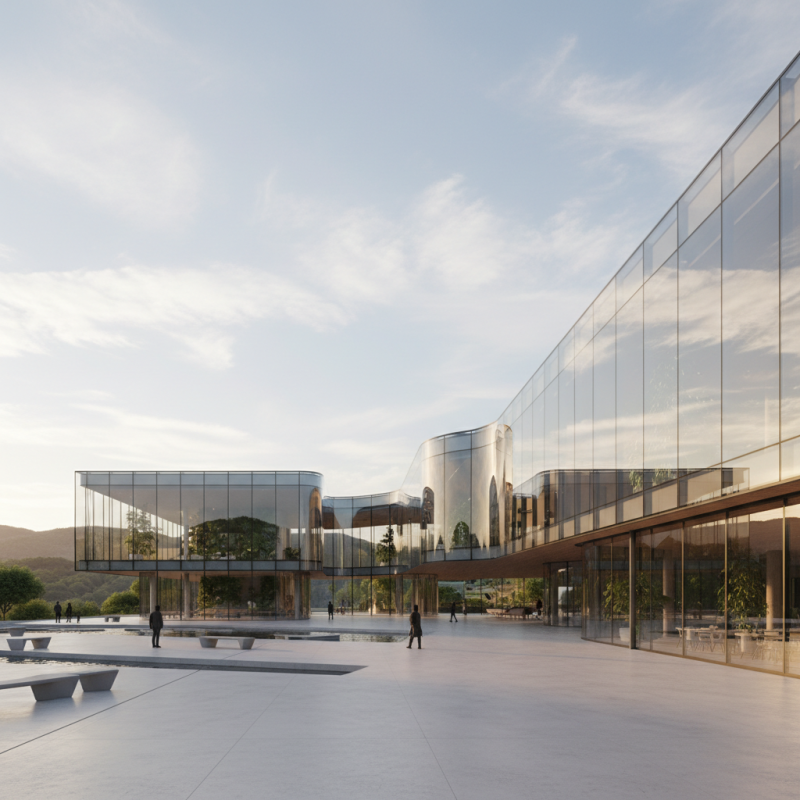
Benefits of Architectural Glass in Modern Construction
Architectural glass plays a significant role in modern construction. Its aesthetic appeal and functional benefits are undeniable. According to a report by MarketsandMarkets, the architectural glass market is projected to reach $150 billion by 2025. Architects increasingly favor glass for its ability to create open, light-filled spaces, enhancing overall mood and productivity.
Energy efficiency is another major benefit. Architectural glass can help regulate indoor temperatures, reducing reliance on HVAC systems. The U.S. Department of Energy reports that using high-performance glass can cut energy costs by up to 30%. However, not all glass is created equal. The effectiveness of insulation properties varies widely between products, warranting careful selection.
Additionally, safety and durability are crucial factors. Modern architectural glass can be designed to withstand extreme weather and impacts. Yet, the complexity in manufacturing these glass types means potential challenges in supply chain management. Architects must remain vigilant about the sourcing of materials to ensure reliability. This blend of beauty and practicality makes architectural glass a preferred choice, but it requires thoughtful application and execution.
Top 10 Benefits of Using Architectural Glass for Your Projects
| Benefit | Description | Impact |
|---|---|---|
| Natural Light | Architectural glass allows for maximum natural light in buildings, reducing the need for artificial lighting. | Enhanced mood and productivity, reduced energy costs. |
| Energy Efficiency | Modern architectural glass is designed to minimize heat transfer, thus improving HVAC efficiency. | Lower energy bills and a smaller carbon footprint. |
| Aesthetic Appeal | Architectural glass enhances the visual appeal of buildings with modern designs and clean lines. | Increased property value and marketability. |
| Sound Insulation | High-performance glass can effectively reduce outside noise, creating a quieter indoor environment. | Enhanced comfort for occupants, particularly in urban settings. |
| Safety and Security | Tempered and laminated glass is tougher and less prone to breakage, enhancing safety. | Increased protection against accidents and intrusions. |
| Environmental Adaptability | Various glass options are available to adapt to different climate conditions, enhancing comfort. | Better climate control and occupant satisfaction. |
| Low Maintenance | Quality architectural glass requires less maintenance compared to other materials. | Reduced long-term maintenance costs and effort. |
| Versatile Applications | Can be used in various applications, from facades to skylights and partition walls. | Enhances design flexibility in architectural projects. |
| Sustainability | Many architectural glass products are recyclable and help in energy-efficient buildings. | Supports green building initiatives and environmental regulations. |
| Smart Technology Integration | Architectural glass can accommodate smart technologies, including electrochromic and photovoltaic glass. | Improved building functionality and energy management. |
Enhanced Aesthetic Appeal of Buildings with Architectural Glass
Architectural glass has transformed the look of modern buildings. Its sleek appearance enhances the aesthetic appeal in remarkable ways. Large glass panels allow natural light to flood in, creating bright and inviting spaces. The reflective quality of glass also enables buildings to blend harmoniously with their surroundings, adding an element of elegance. This unique interaction between light and structure brings a dynamic feel to urban environments.
Beyond mere beauty, architectural glass adds depth and dimension. It can be shaped and colored in various ways, offering endless design possibilities. Bold choices, like tinted or frosted glass, can profoundly affect the mood and character of a space. However, not every application is flawless; challenges include glare control and maintaining visibility. Designers must thoughtfully address these issues to fully harness the benefits.
Moreover, the use of architectural glass comes with sustainability considerations. Despite its advantages, glass can contribute to energy inefficiency if not properly selected or integrated. This complexity requires expert knowledge in materials and design. Each project demands careful planning and reflection on how glass can elevate the structure while ensuring environmental responsibility. Balancing aesthetics with functionality remains a critical challenge in modern architecture.
Energy Efficiency Improvements through Architectural Glass Integration
Architectural glass has become a key player in boosting energy efficiency across various projects. Recent studies show that modern glazing technologies can reduce energy costs by up to 25% in commercial buildings. This remarkable efficiency stems from improved insulation and solar control properties inherent in advanced glass designs. By implementing high-performance glass, designers can create spaces that naturally stay cooler or warmer, depending on the season.
Furthermore, using architectural glass allows for increased natural light. A report from the International Energy Agency states that daylighting can decrease reliance on artificial lighting by as much as 60%. However, it’s essential to balance this benefit with the risk of glare and overheating in certain climates. Not all glass types perform equally, and selecting the right materials can be challenging.
The environmental impact of architectural glass also requires consideration. While it can significantly lower energy usage, the production process itself may be resource-intensive. Decisions made in sourcing and manufacturing should not be taken lightly. Thus, while architectural glass offers a multitude of advantages, ongoing assessments and improvements in production practices are necessary to fully realize its potential benefits.
Safety and Durability Features of Architectural Glass Solutions
Architectural glass is gaining popularity in construction due to its remarkable safety and durability features. According to a recent report by the Glass Association, tempered glass can withstand significant impacts, reducing the risk of shattering. When properly installed, it can provide an effective barrier against external threats, enhancing building safety.
Another key advantage of architectural glass lies in its durability. An independent study noted that glass materials can last over 30 years with minimal maintenance. This long lifespan contributes to lower lifecycle costs. However, properties like weather resistance can vary. Some architectural glass must be treated to withstand extreme conditions.
Fire resistance is also a critical feature. Certain types of architectural glass can maintain integrity when exposed to flames, preventing the spread of fire. The National Fire Protection Association states that using fire-rated glass can buy time for evacuation. This benefit demonstrates how architectural glass is not just an aesthetic choice but also a crucial safety measure.
Environmental Sustainability Advantages of Using Architectural Glass
Architectural glass has gained popularity due to its numerous environmental sustainability benefits. For instance, it can significantly reduce energy consumption in buildings. According to a report from the U.S. Department of Energy, high-performance glazing can cut energy use by up to 30%. This reduction not only lowers utility bills but also decreases carbon emissions, contributing to a greener footprint.
Moreover, architectural glass is often recyclable. Many manufacturers use recycled materials in their production processes. The Glass Packaging Institute states that recycled glass can save over 30% of the energy required to manufacture new glass. This practice encourages a circular economy, where materials are reused rather than discarded. However, not all glass is recyclable, and careful sorting is essential in waste management systems.
Natural lighting is another advantage. The use of glass can enhance daylighting in buildings, reducing reliance on artificial lighting. A study by the National Renewable Energy Laboratory found that maximizing daylight can lead to energy savings of 25% or more. This encourages designs that incorporate more glass surfaces. Yet, this strategy requires careful consideration of heat gain, which can pose challenges in warmer climates. These factors highlight the need for thoughtful application of architectural glass in sustainable design.
Article Source:
Contact us
Please fill out the enquiry form, and our dedicated team will promptly attend to your request