Top Metal Molar Bands Suppliers for Global Buyers?
Global buyers comparing Metal Molar Bands need more than a polished catalogue. They need consistent dimensions, dependable material records, clear packaging details, and responsive technical support. A band may look simple in a product photo. Its fit, finish, and traceability matter far more in practice.
This introduction uses Dr. Elena Ward as a fictional composite orthodontic sourcing specialist; the quotation is illustrative, not a verified statement. “A dependable supplier makes every specification easy to check, from band size to batch documentation.” That principle gives buyers a practical starting point. Request current product specifications, confirm available sizes, and ask how suppliers manage inspection and lot identification. Small details count.
Price still matters. So do lead times, sample availability, communication, and the supplier’s ability to explain material and manufacturing information without vague promises. Buyers should compare like with like, rather than relying on broad claims such as “premium quality.” A neat sample is useful, but it cannot establish long-term consistency by itself. That deserves a second look.
The supplier landscape also differs by region and purchasing model. This guide examines how global buyers can assess potential Metal Molar Bands suppliers, compare relevant capabilities, and identify questions worth asking before placing an order. Its aim is practical, not absolute: supplier information can change, and independent verification remains essential.
What Metal Molar Bands Are and How They Are Used
Top Metal Molar Bands Suppliers for Global Buyers?
What Metal Molar Bands Are and How They Are Used
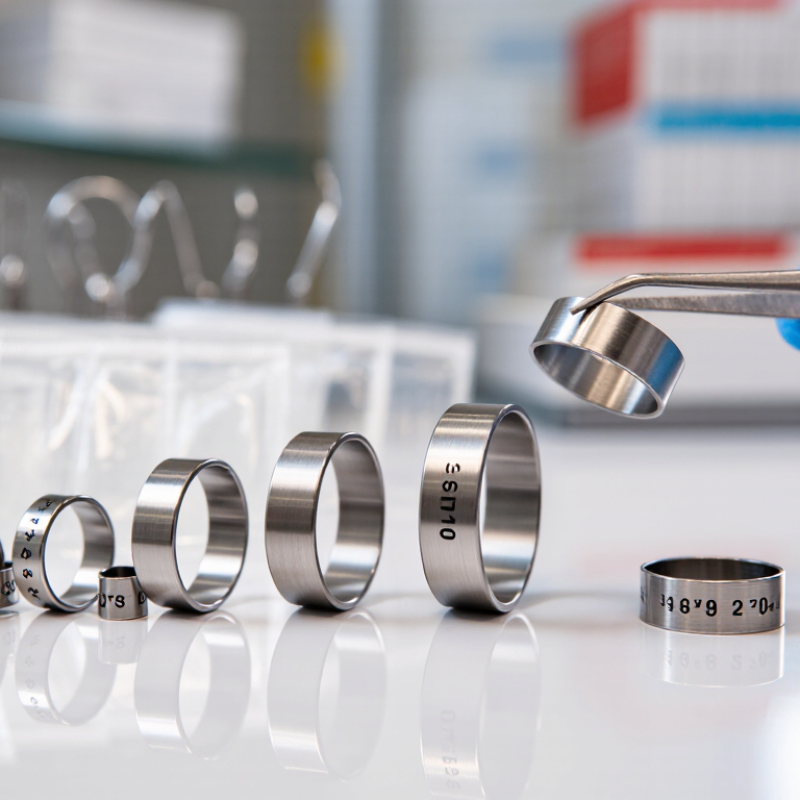
Metal molar bands are small, preformed rings placed around back teeth during orthodontic treatment. They are usually made from dental-grade stainless steel and provide a stable attachment point for orthodontic components. A band may include a bracket or tube that connects with the archwire. Unlike a bracket bonded directly to one tooth surface, a band surrounds the tooth.
An orthodontic professional selects a size and checks how the band sits before cementing it in place. The fit should feel secure without pressing painfully on the gums. A loose band can collect food or shift, while one that is too tight may cause discomfort. Fit matters. Patients should report persistent soreness or a band that seems to move, rather than trying to adjust it themselves.
Bands are often used when a molar needs a sturdy anchor, including in some braces or appliance setups. Their metal surfaces can make cleaning around the gumline more challenging. A small interdental brush and careful brushing can help remove trapped food. The details are easy to miss. Even a well-fitted band may feel strange at first, and comfort can vary between teeth. Dental teams can explain what is expected and check concerns during follow-up visits.
Key Materials, Sizes, and Design Features of Molar Bands
Molar bands are commonly made from stainless steel because it balances strength, formability, and resistance to corrosion in a wet oral environment. Alloy details still matter. ASTM A240/A240M lists Type 304 stainless steel at 18–20% chromium and 8–10.5% nickel. This is a useful material benchmark, not proof that every orthodontic band uses that exact grade. Buyers should request the supplier’s material specification and confirm suitability for dental use.
Band sizes are selected for individual molars, not by age alone. A useful size chart should identify the tooth position and provide clear dimensions, while clinical fitting confirms the band’s contact and gingival margins. Molar anatomy varies. A chart cannot replace a trial fit, especially when a tooth is unusually narrow or rotated. Size numbering also differs across suppliers, so comparing numbers alone can mislead.
Design features affect both placement and function. Buyers can check for smooth, rounded edges, consistent thickness, and securely attached buccal tubes or other specified attachments. Ask how weld integrity and dimensional consistency are inspected; these details are easy to overlook in a price comparison. One limitation remains: catalog images rarely show how a band seats around a real tooth. Requesting sample units can reveal fit issues before a larger order.
How to Assess Metal Molar Band Quality and Compliance
Top Metal Molar Bands Suppliers for Global Buyers?
Assessing metal molar band quality starts with the details a catalogue photo cannot show. Check whether the supplier provides dimensional specifications, material information, and inspection records for each production batch. Bands should have consistent contours, smooth edges, and no visible cracks, burrs, or corrosion. Ask how fit and retention are evaluated across different sizes. A neat finish matters, but it is not proof of reliable performance. Small variations can affect placement.
Compliance deserves the same scrutiny. Request current quality-system documentation, product specifications, and evidence supporting material safety claims. Confirm that records match the product and manufacturing site being offered, rather than a generic sample file. Requirements vary by destination market, so buyers should verify applicable registration, labeling, and documentation expectations with qualified regulatory professionals. Traceability matters. Batch codes should connect the delivered goods to inspection and production records. Packaging should protect bands from moisture and contamination during shipping. A supplier may answer quickly, yet leave one document unclear; that is a reason to pause and ask again. No checklist catches everything, but a documented review makes gaps easier to see.
How Global Buyers Can Compare and Select Suppliers
Global buyers should compare metal molar band suppliers using measurable details, not catalog photos alone. Check the stated alloy, available sizes, band thickness, and dimensional tolerances. Ask for technical drawings and a sample set. A sample can look excellent, yet production consistency still needs checking.
Request documentation that identifies each production lot and explains the supplier’s inspection process. Look for clear checks on dimensions, surface finish, and welded joints. Ask how defects are recorded and handled. Small details matter. Packaging should protect bands from bending during long-distance shipping, while labels should make sizes easy to identify. Confirm production capacity, typical lead times, and how schedule changes are communicated.
Compare quotations against the same specifications, including sample costs, packaging, and delivery terms. Check whether the supplier can provide documentation required for your destination market, and verify it with your own compliance team. Ask a few practical questions before placing a large order: Can the supplier maintain the requested size range? How are out-of-spec batches managed? A checklist helps, but it cannot replace clear communication. That part is easy to underestimate.
Sourcing, Pricing, and International Shipping Considerations
Top Metal Molar Bands Suppliers for Global Buyers?
When comparing suppliers, request a size chart, material specifications, and clear photographs of the band edges and finish. Confirm whether the quoted products cover your required tooth sizes and whether samples are available for fit checks. Small details matter. A low quote may exclude individual packaging, inspection, or sample costs, so compare itemized offers rather than headline prices. I would not treat the lowest price as a win; that assumption can become expensive if dimensions vary between batches. Ask how the supplier checks consistency and handles defective or mismatched goods.
Pricing depends on order volume, packaging, customization, and production schedules. Request a written quotation showing minimum quantities, payment terms, production time, and how long the price remains valid. Ask for samples. Before placing a large order, compare samples against your requirements and record any fit or finish concerns. International shipping also needs practical planning: confirm the shipping method, estimated transit time, shipping cost, and who manages import paperwork. Use protective, labeled packaging to reduce mix-ups during storage and receiving. Delays can happen. Build a buffer into your schedule, especially when shipment tracking or customs processing is uncertain, and keep supplier communication in writing.
Article Source:
Contact us
Please fill out the enquiry form, and our dedicated team will promptly attend to your request