Top OCPP Smart EV Charger Solutions for Global Buyers?
As the world shifts towards sustainable transportation, OCPP Smart EV Charger solutions are gaining traction. The global electric vehicle (EV) market is projected to grow at a CAGR of 29% from 2023 to 2030, according to a recent report by Allied Market Research. This growth emphasizes the increasing demand for efficient and reliable charging infrastructure.
OCPP (Open Charge Point Protocol) stands out in this landscape. It ensures interoperability between charging stations and management systems. Data from the International Energy Agency shows that the number of public charging stations increased by 50% in 2022 alone. However, not all chargers embrace OCPP standards, which can limit user convenience and flexibility. This creates a pressing challenge for buyers who seek optimal solutions.
Investing in OCPP Smart EV Charger technology is a strategic move. It offers not only advanced features but also future-proof solutions. As the industry evolves, selecting the right OCPP Smart EV Charger requires careful consideration of various factors. Buyers must reflect on the balance between technology, reliability, and cost-effectiveness.
Overview of OCPP and Its Importance for Smart EV Charging
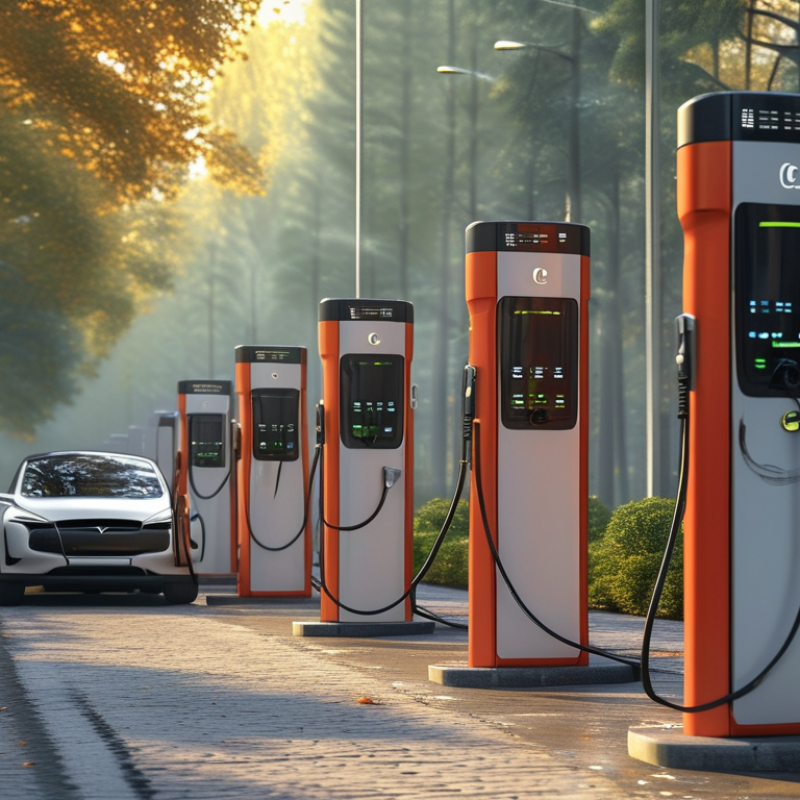
OCPP, or Open Charge Point Protocol, plays a vital role in the smart EV charging landscape. This open-source standard enables communication between EV chargers and central management systems, ensuring interoperability among different charging station manufacturers. Recent data indicates that 80% of EV users consider compatibility a top priority when choosing a charging solution. This highlights the importance of OCPP in fostering a reliable charging ecosystem.
The rapid growth of the electric vehicle market underscores the need for effective charging solutions. According to industry reports, the global EV charging market is projected to reach $70 billion by 2027. As EV adoption accelerates, OCPP facilitates scalable solutions. Its flexibility allows operators to deploy and manage multi-vendor charging stations seamlessly. However, not all chargers adhere perfectly to OCPP. This inconsistency can lead to challenges in user experience, such as difficulties in accessing charging stations.
Moreover, OCPP supports advanced features like remote diagnostics and real-time monitoring. These functionalities are essential for optimizing charger performance and minimizing downtime. Yet, some charging networks still encounter issues with software updates and integration. As the demand for smart EV charging solutions rises, addressing these challenges becomes crucial for manufacturers and operators alike. The evolution of OCPP will ultimately shape the future of EV infrastructure globally.
Key Features to Consider in OCPP Smart EV Chargers
When evaluating OCPP smart EV chargers, several key features can significantly influence your purchasing decision. Compatibility with various EV models is vital. A versatile charger can serve different vehicle types, making it an ideal choice for diverse users. According to the International Energy Agency, global EV sales are projected to reach 23 million by 2030. This underscores the need for universally compatible charging solutions.
Another important factor is the charging speed. Fast chargers can reduce downtime. The average driver spends about 30 minutes charging an EV at public stations. Select chargers that support DC fast charging to improve efficiency. Data from the EV Consulting Group suggests that optimizing charging times can increase the appeal of EVs, ultimately accelerating their adoption.
Tip: Consider the location of charger installations. Placing chargers in high-traffic areas ensures better usage rates. Additionally, cloud connectivity allows for remote monitoring and updates. A significant report by MarketsandMarkets indicates that smart charging infrastructure could save users up to 30% on energy costs. Balancing cost, efficiency, and user experience is crucial. Always reflect on your specific needs without compromising on long-term goals.
Top Smart EV Charger Brands Offering OCPP Solutions
As the electric vehicle market expands, the demand for efficient charging solutions grows. The Open Charge Point Protocol (OCPP) is becoming the standard for smart EV chargers, allowing interoperability among different manufacturers. OCPP-equipped chargers are essential for users needing reliable and flexible options. Research indicates that the market for EV charging stations is projected to reach $50 billion by 2027, driven by increased EV adoption worldwide.
Several brands are emerging as leaders in OCPP solutions. These companies focus on user experience and seamless integration. They provide software updates and remote management capabilities. A report from the International Energy Agency highlights that by 2030, there could be 145 million EVs on the road, emphasizing the urgent need for scalable charging networks.
However, challenges remain. Not all solutions are fully compatible. Inconsistent user experiences can create frustration. Some chargers lack features like real-time monitoring and user-friendly interfaces. Future-proofing chargers against rapid technological changes is a constant concern. Ensuring that charging infrastructure evolves alongside user needs is essential for ongoing success in this fast-paced market.
Top OCPP Smart EV Charger Solutions
This chart represents key dimensions of top OCPP Smart EV Charger solutions available globally. It includes metrics such as charging speed, number of ports, smart features, warranty period, and cost.
Comparative Analysis of OCPP Compliance in Global Markets
As the demand for electric vehicles rises, OCPP compliance has become a crucial factor for international buyers. The Open Charge Point Protocol (OCPP) ensures interoperability among different charging stations and software platforms. This compliance fosters seamless integration, enabling users to switch networks without hassle. However, not all manufacturers adhere to the same compliance standards.
Regulatory variances across countries present challenges. In Europe, stringent regulations push for higher compliance levels. In contrast, some regions lag behind, affecting the reliability of charging infrastructure. This disparity can confuse buyers looking for compatible solutions. Moreover, the quality of technical support varies significantly based on the market. Buyers need to assess both the technical specifications and the user experience when choosing a solution.
Despite advancements, some issues remain. Discrepancies in OCPP versions can cause compatibility problems. Furthermore, real-world implementations often expose gaps in the support ecosystem. Buyers must reflect on these complexities when evaluating potential partners. Researching local compliance trends is vital for informed decision-making. Understanding market nuances plays a key role in selecting the right OCPP solutions for diverse needs.
Future Trends in OCPP Smart EV Charging Solutions
The future of OCPP smart EV charging solutions is promising. As electric vehicles gain popularity, the demand for efficient charging systems grows. Interoperability stands as a key trend. Chargers must work seamlessly across various networks. This flexibility allows users to charge anywhere without hassle. Moreover, cloud-based platforms offer real-time data analytics. These tools help operators optimize charging processes and improve user experiences.
With the increase in renewable energy sources, smart chargers are evolving. They can manage energy distribution to reduce costs. Load balancing is essential in this context, ensuring that electricity is used efficiently. However, this technology is still in development. Issues such as compatibility and standardization need further refinement. Continuous innovation is necessary to address these challenges and meet user expectations.
As we look ahead, the role of AI in charging solutions cannot be overlooked. AI can enhance predictive maintenance and identify patterns in user behavior. This can lead to tailored solutions for different markets. Nevertheless, there are concerns about data privacy. Balancing innovation with user confidence will be crucial. Stakeholders must focus on transparency to build trust in smart charging solutions.
