How to Weld Steel Like a Pro for Stronger Joints and Structures?
Welding steel is an essential skill in construction and fabrication. Experts emphasize that mastering this technique can lead to stronger and more durable structures. Renowned welder John Smith once said, “The key to welding steel lies in precision and patience.” Learning the fundamentals is crucial for achieving exceptional results.
When it comes to welding steel, attention to detail is paramount. Many professionals overlook the importance of surface preparation. A clean surface allows for a better bond. Without this, the weld may fail under stress. Using the correct technique is equally vital. Beginners often rush through the process, leading to weak joints.
It's not just about the equipment; the welder's mindset matters too. Focusing on quality over speed can yield better outcomes. Mistakes can happen, and they offer valuable lessons. Reflecting on these errors is part of growth in welding steel. Ultimately, consistent practice combined with an understanding of these principles can elevate your skills significantly.
Understanding Different Types of Steel for Welding Applications
Welding steel requires an understanding of the various types available. Mild steel is the most common choice for many applications. It is easy to weld and provides good strength. However, it can be vulnerable to corrosion if not treated properly. Using the right type of mild steel can significantly impact the quality of your welds.
Stainless steel offers great resistance to rust and is ideal for structures exposed to moisture. While it can be harder to weld than mild steel, the results may be worth the challenge. The high nickel content can create issues, making warp prevention essential. Remember, not all stainless steels are alike. Each type reacts differently during the welding process.
Another type is high-carbon steel. It is very strong but tricky to work with. Its brittleness can lead to cracks if not managed properly. Many welders struggle with this material. They often need extensive practice to get it right. Keep this in mind when choosing your materials. Consider the application's specific needs to make a sound decision.
Selecting the Right Welding Process: MIG, TIG, or Stick Welding
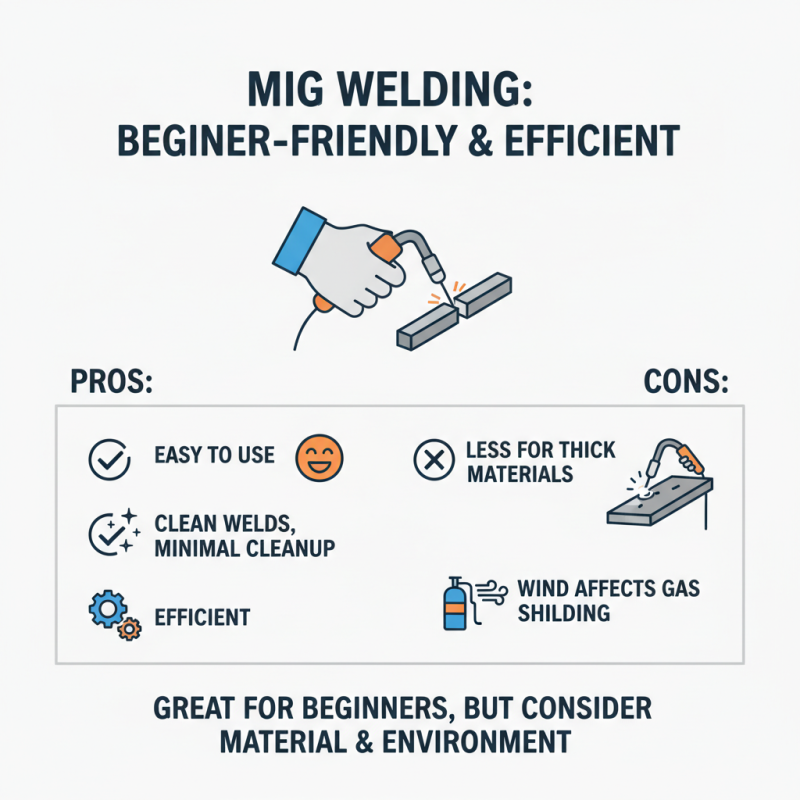
Selecting the right welding process is crucial for achieving strong joints. MIG welding is often popular among beginners. It is easy to use and efficient. This method produces clean welds with minimal cleanup. However, it may not be ideal for thick materials. Its reliance on gas makes it less versatile in windy conditions.
TIG welding provides more control and precision. It allows for beautiful, strong welds. But it requires a higher skill level. Beginners might find it challenging. The slower pace can also test patience. Stick welding, on the other hand, is rugged and perfect for outdoor use. It doesn’t rely on gas, which makes it portable. Yet, it can produce slag that requires extra cleanup.
Choosing the right technique depends on your project requirements. Consider material thickness and welding environment. Each method has its strengths and weaknesses. Experimentation may lead to unexpected results. Reflection on these experiences can enhance your skills over time.
Essential Welding Equipment and Safety Gear for Professionals
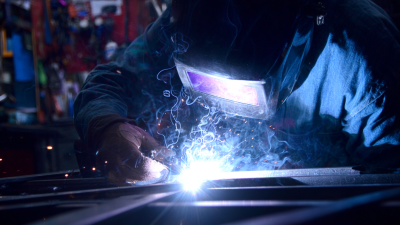
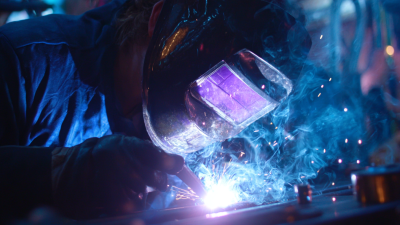
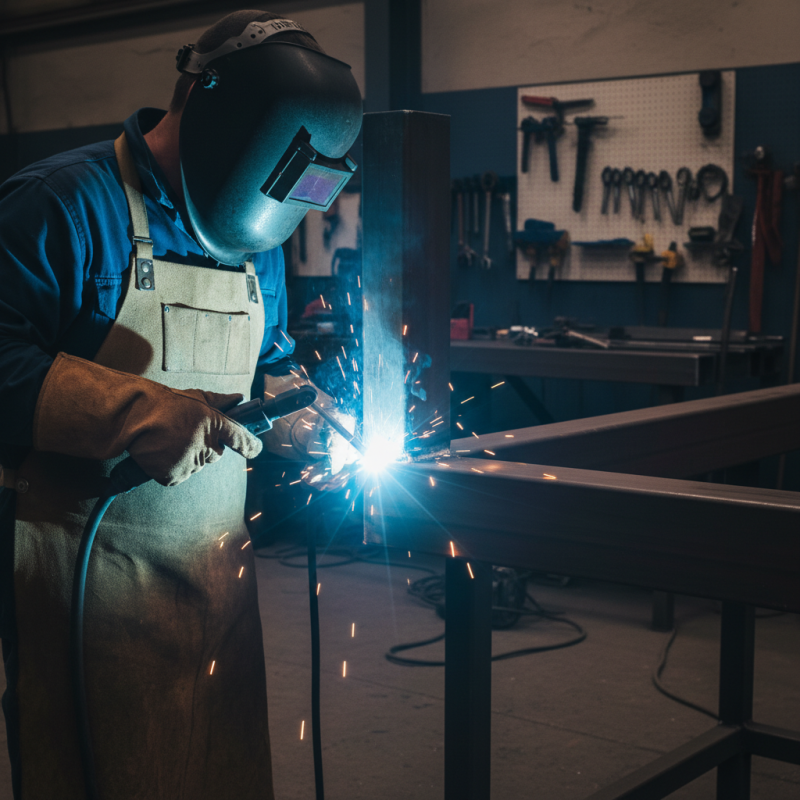
Welding steel requires the right equipment for optimal results. A welding helmet is essential. It protects your eyes from intense light. Choose one that fits well and offers good visibility. Gloves are just as important. Look for durable, heat-resistant materials. They should allow for flexibility while shielding your hands from burns.
A high-quality welding machine is critical. It needs to match the type of steel you're working with. Stick welding or MIG welding options can vary greatly. Additionally, clamps help secure your workpiece effectively. This prevents unwanted movement during the process. You might underestimate their importance until you encounter a tricky joint.
Safety gear isn’t just a recommendation; it’s a necessity. A welding jacket can protect your skin from sparks. Steel-toe boots provide crucial foot protection. Be mindful of your surroundings. Ensure proper ventilation to avoid harmful fumes. Every piece of equipment plays a vital role in your safety and the quality of your welds. Remember to inspect your gear regularly to ensure its effectiveness.
How to Weld Steel Like a Pro for Stronger Joints and Structures?
| Equipment |
Description |
Safety Gear |
Importance |
| MIG Welder |
Uses a continuous wire feed for welding, ideal for faster projects. |
Welding Helmet |
Protects eyes from harmful UV rays and bright light. |
| TIG Welder |
Provides precise welds for thin materials, great for artistic work. |
Welding Gloves |
Prevents burns and provides grip during operation. |
| Stick Welder |
Versatile for various metals, works in windy conditions. |
Face Shield |
Additional protection for the face from sparks and debris. |
| Plasma Cutter |
Cuts through metals with high precision and speed. |
Respirator Mask |
Protects lungs from harmful fumes and particles. |
| Welding Table |
Stable surface for working, ensures safety and accuracy. |
Fire-Resistant Clothing |
Minimizes the risk of burns and protects skin from sparks. |
Techniques for Achieving Stronger Weld Joints and Minimizing Defects
Welding steel can be a challenging task, but mastering the techniques can lead to stronger joints. One key method is to control the heat input. Too much heat can cause distortion or weak welds. It's essential to find the right temperature for your material. Adjust your welder settings based on the thickness of the steel. This ensures better penetration and a more durable joint.
Another critical technique is using proper filler materials. Ensure that the filler matches the base metal's properties. This helps prevent issues such as cracks or weak spots. Don’t overlook the importance of cleanliness. Any contaminants, like rust or oil, can lead to defects in the weld. Spend time preparing the surfaces. Double-check for any foreign substances before you start.
Lastly, practice patience. Sometimes, the most straightforward weld can turn into a disaster without proper attention. Take breaks to assess your work. Reflect on each weld and look for areas of improvement. Even experienced welders face challenges, and it’s vital to learn from each session. Focus on refining your skills over time.
The Importance of Pre-Welding Preparation and Joint Design
The importance of pre-welding preparation cannot be overstated. Before you start welding, inspect the metal surfaces. Clean them thoroughly to remove any rust, oil, or dirt. This step is crucial; impurities can weaken the joint. A wire brush or grinder can be effective. Don’t underestimate this stage, as neglecting it can lead to weld failures.
Joint design is equally vital for strong welds. Understanding the type of joint you're creating can make a significant difference. Whether using butt joints, lap joints, or T-joints, consider the factors like load distribution and stress concentration. Sometimes, a simple mistake in joint design can lead to major structural issues later. Reflect on your past projects. Did you choose the right joint for the job? Evaluate your decisions critically. You might find room for improvement.
Additionally, proper fit-up is essential for achieving a strong weld. Gaps between the pieces can compromise the integrity. Take time to clamp and secure materials. A well-aligned joint makes the welding process smoother. Mistakes happen, but learning from them is key. Always strive for better preparation and design for future projects.