What is Welding Protection and Why is it Important?
Welding Protection plays a crucial role in ensuring the safety of workers in the welding industry. According to the American Welding Society, around 500,000 welders in the U.S. face various risks daily. These risks include exposure to harmful fumes, intense heat, and radiation. Proper protective gear is essential. Yet, many welders overlook the importance of using this gear correctly.
Inadequate welding protection can lead to serious injuries. Reports indicate that over 50% of welding-related accidents could be prevented with proper safety measures. Personal protective equipment (PPE) like helmets, gloves, and fire-resistant clothing are not just optional. They are necessary to shield workers from burns, eye injuries, and respiratory issues. Unfortunately, some welders may sacrifice safety for comfort or cost.
Workers often express frustration regarding the effectiveness of their protective equipment. Issues like poor visibility and restricted movement can arise. This highlights a need for better-designed safety gear. Creating a culture that prioritizes welding protection is fundamental. Ensuring that all workers understand the significance of safety measures could help reduce accidents continually.
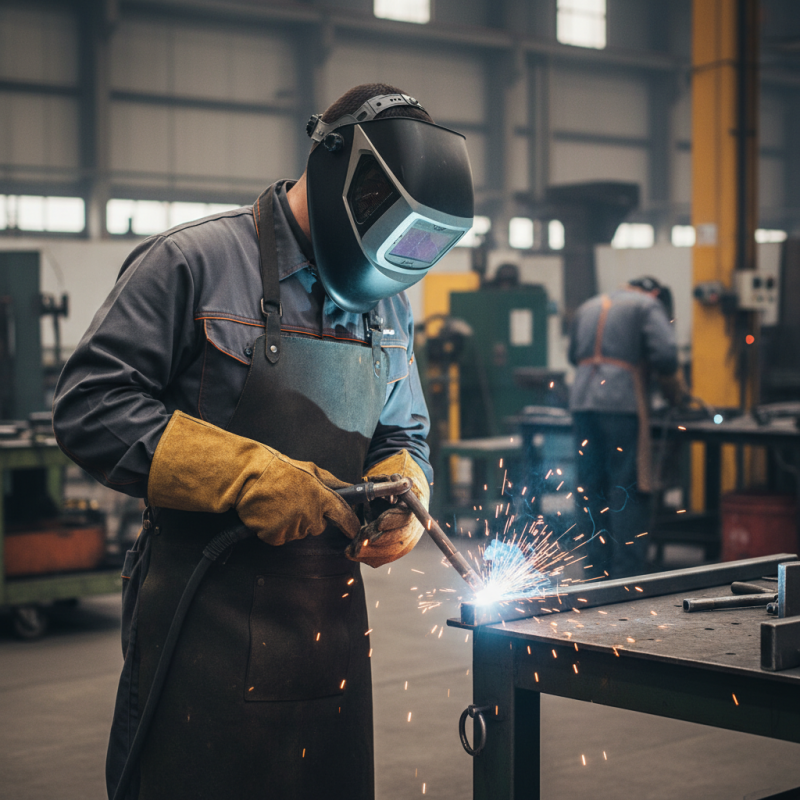
What is Welding Protection? A Comprehensive Overview of Techniques
Welding protection is essential for ensuring the safety of welders. This process can be risky, exposing workers to harmful fumes and intense heat. Comprehensive techniques are necessary to minimize these hazards.
One effective technique is the use of personal protective equipment (PPE). Welders should wear helmets with appropriate shading to protect their eyes from bright arcs. Gloves made from heat-resistant materials prevent burns. Adequate body coverage is essential. Protective clothing should be durable and flame-resistant.
Tips: Always inspect your gear before starting. Look for any signs of wear or damage. Replace items as needed to maintain optimal safety. Additionally, ensure proper ventilation in your workspace. Working in enclosed areas can lead to rapid fume accumulation.
Another crucial technique is knowing the workspace's layout. Understand where fire hazards exist. Make sure flammable materials are stored away from the welding area. If possible, keep a fire extinguisher nearby. This can prevent minor sparks from causing major issues.
Tips: Take breaks to assess your environment. A quick evaluation can reveal potential risks you might overlook. Stay alert and aware of your surroundings to enhance your safety while welding.
What is Welding Protection and Why is it Important? - A Comprehensive Overview of Techniques
| Protection Technique | Description | Importance |
| Welding Helmets | Protects the eyes and face from harmful UV and IR radiation as well as sparks and debris. | Essential for preventing serious eye injuries and skin burns. |
| Protective Clothing | Includes flame-resistant jackets, pants, gloves, and aprons to shield against sparks and heat. | Reduces the risk of burns and injuries from hot metal and slag. |
| Respiratory Protection | Masks or respirators are used to filter harmful fumes and gases produced during welding. | Prevent long-term respiratory issues and exposure to hazardous materials. |
| Ear Protection | Ear plugs or earmuffs to protect against loud noises generated during welding processes. | Important for preventing hearing loss over time due to prolonged exposure to high decibel levels. |
| Ventilation Systems | Systems designed to improve air quality and remove hazardous fumes from the welding area. | Crucial for maintaining a safe working environment and reducing inhalation risks. |
The Importance of Welding Protection in Preventing Occupational Hazards
Welding involves intense heat and sparks, posing various risks. The importance of welding protection cannot be overstated. Without proper gear, workers face injuries from burns, eye damage, and inhalation of harmful fumes. Personal protective equipment (PPE) is essential. Gloves, masks, and fire-resistant clothing shield against hazards.
Many welders underestimate the risks. They sometimes work without necessary protection. This can lead to accidents that change lives. Eye injuries are common if proper shields aren't used. Even minor burns can cause severe pain and downtime. The role of ventilation is equally vital. Fumes collect quickly in enclosed spaces. Adequate ventilation reduces inhalation dangers.
Reflecting on safety culture is crucial. It’s not just about equipment; it's about mindset. Employers should prioritize training in welding safety. Regular safety audits can help identify risks. Workers must feel empowered to halt unsafe practices. A complacent attitude toward safety only increases risks. Each welding job requires a mindset focused on protection.
Welding Protection and Occupational Hazards
Key Types of Welding Protection Equipment and Their Functions
Welding protection is crucial for worker safety. The right equipment can minimize risks inherent in welding, such as burns, fumes, and ultraviolet radiation. According to OSHA, inadequate protection can lead to serious injuries. Efficient welding protection equipment includes helmets, gloves, jackets, and respiratory protection.
Welding helmets are essential. They protect the eyes from bright light and sparks. A good helmet offers shade levels from 5 to 13. This ensures comfort and visibility. Gloves are also vital. They must be heat-resistant and durable. They allow for better grip while protecting against cuts and burns. Additionally, protective jackets keep the skin safe from sparks and heat. They should be made from flame-resistant materials.
Tip: Always check equipment for wear and tear. A damaged helmet or glove offers little protection. Regular maintenance can extend the life of your gear.
Another key factor is respiratory protection. Many welders are exposed to harmful fumes. Using a respirator with appropriate filters helps mitigate these risks. The American Welding Society recommends using fume extraction systems to improve air quality.
Tip: Ensure your workspace is well-ventilated. This can significantly reduce fume concentration. Proper ventilation is often overlooked, yet it is essential for long-term health.
Industry Standards and Regulations for Welding Safety Compliance
Welding safety is crucial in industrial environments. Compliance with industry standards ensures the safety of workers. Organizations are required to follow specific regulations. These guidelines dictate the use of personal protective equipment (PPE), training, and safe work practices.
Protective gear includes helmets, gloves, and fire-resistant clothing. Proper training helps workers understand the risks involved. However, even with training, accidents can happen. Some workers may neglect safety practices due to overconfidence. Regular audits can help address this issue.
Inadequate attention to safety can lead to serious injuries. Industries must prioritize compliance with safety standards. Ignoring these regulations not only endangers workers but also damages the reputation of businesses. Continuous improvement and a safety-first culture are essential for long-term success.
Statistical Impact of Welding Injuries and the Role of Protective Gear
Welding injuries are a significant concern in the industry. According to data from the Bureau of Labor Statistics, over 4,000 welding-related injuries occur annually in the U.S. alone. These injuries often include severe burns and eye damage. It's shocking to see so many preventable incidents each year.
Protective gear plays a vital role in mitigating these risks. The National Institute for Occupational Safety and Health (NIOSH) reports that proper protective equipment can reduce injury rates by about 50%. Features like flame-resistant clothing, welding helmets, and gloves are essential for safety. Despite the effectiveness of this gear, many welders neglect to use it consistently.
On an alarming note, studies show that nearly 30% of welders do not wear the recommended protective clothing. This negligence leaves them exposed to hazards. Even when protective gear is available, some workers opt for comfort over safety. This raises questions about training and the workplace culture surrounding safety. The industry needs to prioritize proper training and a commitment to consistent use of protective equipment.
