Why Is Welding Metal So Important?

Welding metal is more than joining two pieces. It turns separate components into structures that can carry loads, resist vibration, and survive daily use. Look at a steel bridge girder, a farm-machine frame, or a stainless-steel food tank. Each weld must suit its material, thickness, shape, and working conditions. A bright bead alone proves little. Strength depends on preparation, heat control, joint design, and inspection. Small choices matter. A dirty edge or poor fit-up can create defects that remain hidden beneath a smooth surface.

Welding metallurgist John C. Lippold’s published work offers a useful principle: weldability depends on how the material, process, and joint design interact. That idea explains why one setting cannot suit every job. A thin sheet may distort under excess heat, while a thick joint may need careful preparation and multiple passes. The details are not glamorous. They are decisive. Welding metal supports manufacturing, repair, construction, and transportation, but it is not automatically the best joining method. Bolting or another process may be more practical in some designs. That deserves consideration, too. Even experienced teams can overlook a constraint or misread a surface. This introduction examines why welding matters, where its strengths come from, and what makes a weld dependable. Because a weld is only as trustworthy as the decisions behind it.
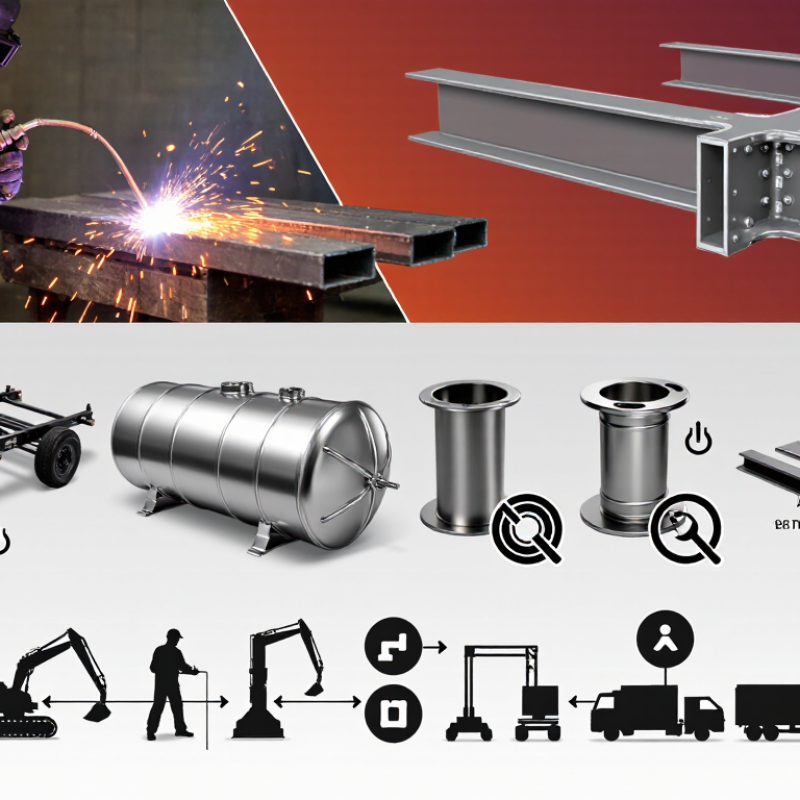
Why Is Welding Metal So Important?

What Welding Is and How It Joins Metal Parts

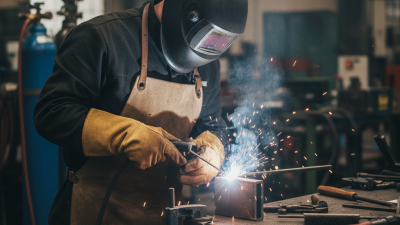
Welding joins metal parts by creating a strong bond at their meeting edges. In many processes, an electric arc or flame heats the metal until it melts. The molten edges fuse together as they cool. Filler metal may be added to fill a gap and strengthen the joint. The result can be a continuous connection rather than a row of separate fasteners.

The joint’s shape and preparation affect how well it holds. A technician may clean away oil, rust, or paint, then bevel thicker edges so heat reaches deeper into the seam. During welding, travel speed and heat must suit the metal’s thickness and type. Too much heat can distort a thin panel. Too little can leave an incomplete bond. Small adjustments matter.

After the weld cools, its appearance offers clues, but it does not tell the whole story. A smooth bead can still conceal a flaw beneath the surface. Depending on the part’s purpose, inspection may include visual checks, measurements, or suitable testing methods. I have found that preparation often gets less attention than the dramatic arc. That is easy to overlook. Clean surfaces, steady technique, and careful inspection help make a welded joint dependable.

How Welded Joints Provide Strength and Structural Stability

A welded joint can turn separate steel plates into a continuous load path. When the weld is properly sized and fused, forces can pass across the connection instead of relying only on bolts or surface contact.

This matters in frames, brackets, and equipment supports, where repeated loading may loosen or shift poorly designed connections. A small gusset welded to a post, for example, can help resist sideways movement when a structure is pushed or vibrates.

Strength depends on more than the visible bead. Joint shape, base-metal thickness, weld size, and loading direction all affect performance. Heat can also distort thin panels or create residual stress, so fit-up and welding sequence deserve attention.

A neat-looking bead can still hide incomplete fusion or a crack. That is easy to miss. Inspection should match the joint’s purpose and risk, using visual checks or suitable testing when needed.

Welded joints are not automatically stronger than every alternative; poor design, unsuitable materials, or inconsistent workmanship can weaken them. In practice, the most reliable connection is one designed for its actual loads and checked after fabrication.

Why Welding Is Essential Across Industries and Infrastructure

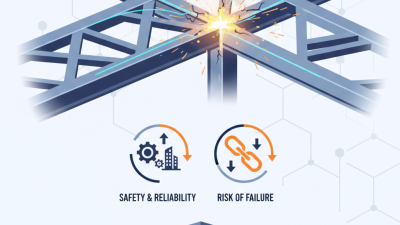
Welding turns separate pieces of metal into working structures: bridge girders, rail lines, pressure vessels, and farm machinery. A sound weld can carry repeated loads and vibration; a poor one may hide a crack beneath a smooth surface. That detail matters on a cold bridge deck or inside a pipe that is difficult to inspect. Welding is not just joining metal. It is part of how infrastructure is built and maintained.

The American Society of Civil Engineers’ 2021 Report Card for America’s Infrastructure found that 42 percent of U.S. bridges were at least 50 years old, while 7.5 percent were classified as structurally deficient. Repairs depend on skilled inspection and fabrication, including welds that meet engineering specifications. The American Welding Society’s 2023 workforce report projected demand for 320,500 welding professionals in the United States by 2029. That need reflects welding’s reach across construction, transportation, manufacturing, and energy systems. But more workers alone do not guarantee better work. Fit-up, cleanliness, heat control, and inspection all matter, and busy sites can make these steps harder to protect. It is easy to overlook the small details. Those details hold the load.

Why Welding Is Essential Across Industries and Infrastructure

Global steel use by sector (%) — many of these sectors rely on welding to join and fabricate steel components.

Construction accounts for the largest share of steel use, followed by mechanical equipment and automotive manufacturing. Welding is a key joining method in these and other steel-using sectors; the figures shown are steel-use shares, not welding-specific market shares.

Source: World Steel Association, global steel use by sector.

How Welding Enables Repairs, Custom Designs, and Efficient Production

A cracked steel bracket on a delivery truck can stop work until it is repaired. Welding joins compatible metal parts, helping technicians restore equipment without replacing every component. A careful repair depends on more than heat: the welder must assess the metal, joint, and load. Small flaws matter.

Welding also makes custom designs practical. A shop can cut and join plate, tube, or sheet metal to build a one-off stair rail, machine guard, or repair fixture. In production, repeatable weld procedures help teams assemble frames and housings with consistent dimensions. Jigs hold parts in place, while inspection checks for defects before products move on. But speed alone is not efficiency; poor fit-up can mean rework.

The American Welding Society’s workforce forecast says the United States will need about 360,000 welding professionals by 2027. Deloitte and The Manufacturing Institute’s 2021 study projected 2.1 million unfilled manufacturing jobs by 2030. These figures point to a real skills challenge, not proof that every shop lacks capacity. Training, process planning, and sound inspection still take time. And welding has limits: some metals or damaged parts need another repair method.

Why Is Welding Metal So Important? - How Welding Enables Repairs, Custom Designs, and Efficient Production

Application How Welding Helps Typical Example Key Consideration
Repairs Joins cracked or broken metal parts and can restore equipment without replacing the entire assembly. Repairing a crack in a steel bracket or attaching a replacement section to a metal frame. The damaged area should be assessed first; the repair method must suit the metal, loading, and service conditions.
Custom designs Connects separately made pieces into shapes and assemblies tailored to a specific size or function. Fabricating a one-off equipment stand, handrail, or support frame from cut metal sections. Accurate fit-up and control of heat input help limit distortion and maintain the intended dimensions.
Efficient production Makes permanent joints and can be repeated as part of manual, mechanized, or automated manufacturing processes. Joining metal panels or structural components during the production of machinery and fabricated products. Consistent results depend on suitable joint design, controlled welding parameters, and inspection appropriate to the application.
Structural fabrication Creates load-transferring joints used to assemble frames and other metal structures. Joining beams, plates, and connection components in a fabricated steel frame. Joint details and workmanship should meet the design requirements and applicable codes or standards.
Material versatility Supports joining of many commonly used metals, including carbon steel, stainless steel, and aluminum, when the process and filler are appropriate. Selecting a suitable welding process for a steel repair or an aluminum fabrication project. Different metals have different heat, shielding, filler, and preparation requirements; not every combination is directly weldable.

Welding is valuable because it can join, repair, and shape metal components. The best process depends on the base metal, joint design, required properties, and working conditions.

What Safety and Quality Standards Make Welding Reliable

Welding becomes reliable when safety controls and quality checks work together, not when a bead merely looks smooth. Before work starts, identify the base metals, joint design, thickness, and service conditions. A written welding procedure defines suitable processes, filler metal, heat input, and inspection points. Welders should be qualified for the process and position they will use, and equipment settings should match the procedure. That matters. A clean, dry joint and stable fit-up help reduce defects such as porosity and lack of fusion.

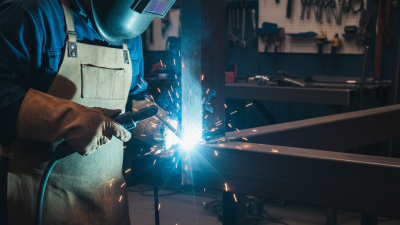
Safety depends on practical controls at the work area. Use suitable eye and face protection, gloves, flame-resistant clothing, and screens to protect nearby workers from arc flash and spatter. Local exhaust ventilation helps remove fumes; confined or poorly ventilated spaces need a specific hazard assessment. Keep combustible materials clear, inspect leads and connections, and confirm fire-watch arrangements suit the job. Quality checks should be documented: visual inspection can find surface problems, while specified non-destructive testing may reveal hidden flaws. No checklist catches everything. Review repairs and recurring defects with the crew; even experienced teams can miss small changes in fit-up or material condition.

Contact us

Please fill out the enquiry form, and our dedicated team will promptly attend to your request