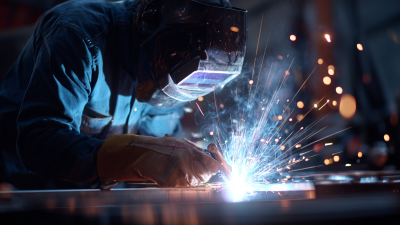
Top Benefits of Using Seam Welding Machines for Global Buyers?
In the rapidly evolving landscape of manufacturing, the seam welding machine has emerged as a pivotal tool. According to a recent report from MarketsandMarkets, the global welding equipment market is projected to grow from $19.04 billion in 2023 to $26.12 billion by 2028. This significant growth underscores an increasing reliance on advanced welding technologies.
Seam welding machines are particularly beneficial for their efficiency and precision. They offer a seamless joining method that minimizes material waste and optimizes production cycles. Companies utilizing these machines report increased output rates, helping them meet rising global demand. However, the investment in seam welding technology must be carefully evaluated. Not all businesses achieve the expected ROI, indicating a need for thorough market research and technology assessment.
While seam welding machines enhance productivity, they also require skilled operators. Insufficient training can lead to suboptimal results, highlighting the importance of ongoing education in this field. Buyers should weigh these aspects against the machine's advantages and consider industry standards. The balance between innovation and training will ultimately determine the success of their investment in seam welding technology.
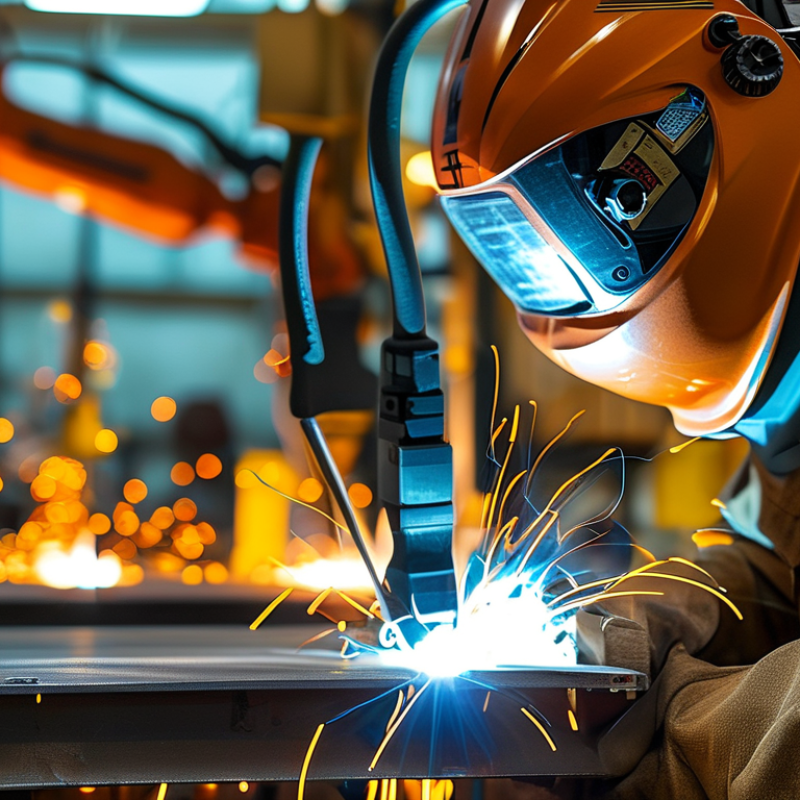
Key Advantages of Seam Welding Machines for Manufacturing Efficiency
Seam welding machines are a game-changer in manufacturing efficiency. They provide consistent, high-quality welds for various materials. This technology reduces production time and improves product durability. The precision offered by these machines minimizes defects and rework costs, leading to a more profitable operation.
Manufacturers should consider these tips when integrating seam welding machines. Invest in thorough training for your team. Understanding the intricacies of the machine can drastically reduce errors. Regular maintenance checks are essential. Well-maintained machines operate efficiently and enhance the quality of welds.
In addition to these tips, monitor the welding process closely. Adjust settings as needed to accommodate different materials. A small change can impact the final product significantly. Reflecting on these aspects can lead to continuous improvement and higher productivity in your operations.
Enhanced Productivity Through Automated Seam Welding Processes
Seam welding machines are revolutionizing manufacturing processes worldwide. These machines automate seam welding tasks, significantly increasing productivity. Companies experience reduced cycle times and improved workforce efficiency by minimizing manual intervention. This automation encourages consistency in weld quality, leading to fewer defects and waste.
Additionally, seam welding machines can handle intricate designs and varying materials. They adapt to different welding requirements, ensuring flexibility in production. However, there is a learning curve associated with their use. Operators must undergo training to maximize efficiency and ensure safety. Investing time in training can mitigate risks, enhancing long-term operational advantages.
While the benefits are clear, some buyers may face challenges. Initial costs for automated systems might be daunting. It’s crucial to evaluate the return on investment. Companies must ensure these machines align with their production goals. This reflects the importance of careful consideration before implementation. The right strategy can lead to outstanding outcomes in productivity and quality.
Cost-Effectiveness: Reducing Labor and Material Waste in Production
Seam welding machines are revolutionizing production efficiency. They play a pivotal role in reducing labor costs and minimizing material waste. According to a 2022 report by the International Federation of Robotics, automation in manufacturing can reduce labor costs by approximately 30%. This reduction is significant, especially for global buyers aiming to enhance profitability.
By employing seam welding technology, manufacturers streamline their processes. These machines create strong, continuous welds with precision, thus decreasing the amount of material wasted. Studies indicate that manufacturers using advanced welding techniques can reduce waste by up to 25%. This efficiency not only lowers costs but also supports sustainable practices—a growing concern for many companies today.
Despite the benefits, there are challenges to consider. Some manufacturers may face initial installation costs. Additionally, staff training is necessary to fully leverage these machines. Effective training ensures teams can operate new technologies without errors. Refining skills is essential for maximizing productivity. A thoughtful approach to these challenges can transform production lines into models of efficiency and cost-effectiveness.
Improved Product Quality: Consistency and Strength of Welded Seams
Seam welding machines are game-changers in many industries. Their ability to deliver consistent and strong welded seams greatly enhances product quality. This is crucial for manufacturers who seek reliable outputs. Seam welding ensures that every joint is uniform, which reduces the likelihood of defects.
A well-executed weld provides structural integrity. Products that benefit from high-quality welds experience fewer failures during use. However, not all equipment achieves perfect results. Many users find themselves navigating challenges like inconsistent weld depth. Regular maintenance and calibration are key to overcoming these issues.
Investing in seam welding technology can be beneficial, though it requires careful consideration. Buyers need to evaluate their specific requirements to ensure compatibility. Understanding the capabilities of different machines aids in making informed decisions. A thoughtful approach can lead to improved efficiency and better overall quality in manufacturing.
Versatility of Seam Welding Machines Across Various Industries
Seam welding machines offer remarkable versatility across various industries. In automotive manufacturing, they are vital for joining body panels, ensuring durability and strength. This process provides a consistent and reliable bond, which is critical for the safety of vehicles.
In the aerospace sector, seam welding machines contribute to the production of lightweight components. This is essential for improving fuel efficiency in aircraft. Their ability to weld complex shapes allows for greater design flexibility. Additionally, in the food and beverage industry, these machines are used for sealing packaging. This ensures product freshness while maintaining hygiene standards.
Despite their advantages, users sometimes face challenges in selecting the right machine. Different industries have unique requirements. Understanding these needs can be difficult, leading to potential over-specification or under-utilization of equipment. Regular training for operators is also key, as improper use can affect performance. Adapting to evolving technologies requires ongoing learning and reflection.
Related Posts
-
Revolutionizing Industrial Manufacturing: The Future of Seam Welding Machines in Modern Applications
-
What are the Different Types of Welders and Their Uses?
-
2026 Best Mini Spot Welding Machine Options for Every Need?
-
The Ultimate Guide to Buying a MIG Welder for Your Welding Projects
-
How to Choose the Best Resistance Welder for Your Needs?
-
2025 How to Choose the Right Resistance Spot Welder for Your Needs
Contact us
Please fill out the enquiry form, and our dedicated team will promptly attend to your request