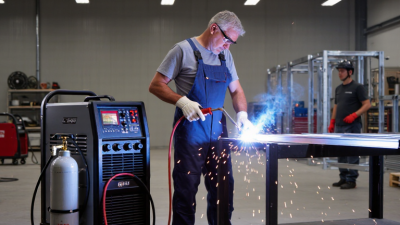
What Are the Top Types of MIG Welders?
Choosing a MIG welder starts with the work in front of you. A small home repair may need a different machine from regular fabrication or farm maintenance. Think about the metal thickness, available power, workspace, and how often you will weld. Those details matter more than a long list of features.
Top types include compact entry-level machines, inverter welders, transformer-based models, and multi-process units. Some categories overlap. Compact machines may use inverter technology, for example, while multi-process models can offer MIG alongside other welding methods. Output range, wire-feed consistency, duty cycle, and compatible wire and shielding gas help distinguish useful options. Check the manufacturer’s specifications before buying.
This guide compares the main types and explains where each may fit. A portable 120-volt model can be convenient for light tasks, but it may not provide enough output for thicker material. Higher-powered machines can handle more demanding work, though they need suitable electrical service and more space. Not every buyer needs the most powerful option. That part is easy to overlook.
The right choice depends on your materials, budget, and experience level. We will look at practical strengths and trade-offs, including setup and operating limits. Use the machine’s manual, follow its safety guidance, and practice on suitable scrap before important work. Even a capable welder cannot compensate for poor preparation. There is no universal “best” type; matching the machine to the job is the more reliable starting point.
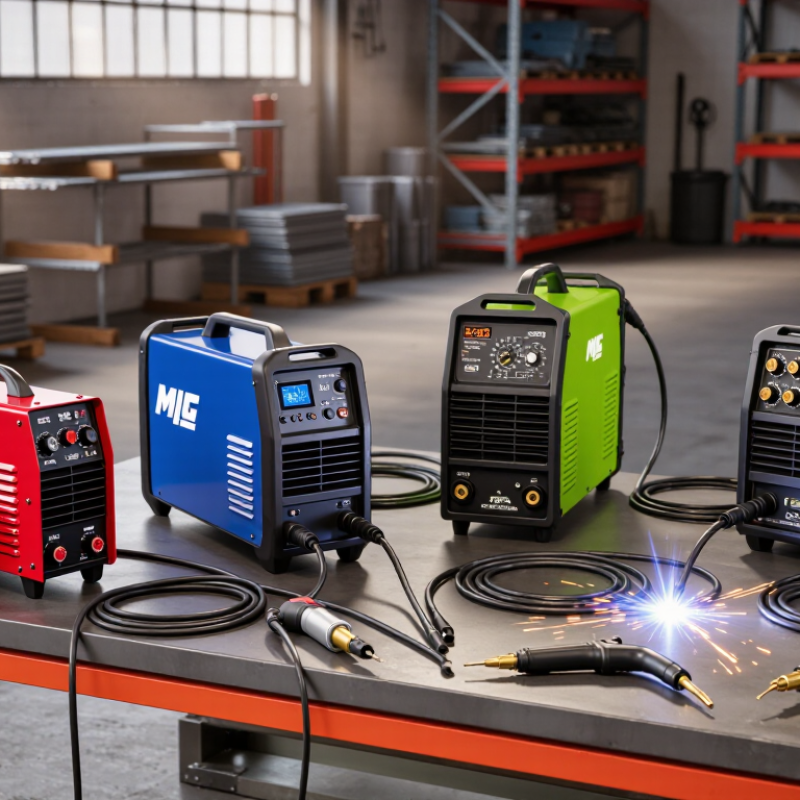
How MIG Welders Are Classified
MIG welders are commonly classified by power input, output capacity, control style, and portability. A 120-volt model suits thin sheet metal and small repairs, while a 230-volt unit usually handles thicker steel and longer work sessions. Voltage alone does not tell the whole story. Check the amperage range and duty cycle, which indicate how much welding a machine can do before cooling.
Machines also differ in how they control the wire and arc. Basic models use manual settings, so the operator adjusts voltage and wire speed separately. Synergic models coordinate those settings, which can help newer welders find a workable starting point. Inverter machines are often lighter than transformer models, but weight is only one practical factor. Think about the outlet, material thickness, and available shielding gas. A machine labeled “multiprocess” may offer extra modes, though MIG performance should still be checked on its own.
Tips: Match the welder’s rated output to your usual material, not just the thickest piece you might weld once. Check the duty cycle at the amperage you expect to use. Keep wire size and shielding gas compatible with the material. Small details matter. A rushed choice can leave you with a capable machine that does not fit your workspace.
Transformer-Based MIG Welders and Their Core Features
Transformer-based MIG welders use a mains-frequency transformer to reduce incoming voltage, while rectifiers convert the output for welding. Their appeal is straightforward: a rugged power section, familiar controls, and steady performance on routine steel fabrication. Many models offer stepped voltage settings. Operators select a range, then adjust wire-feed speed to suit the material and joint. The controls can feel less precise than digital systems.
These machines are often heavier than inverter welders, so moving one across a crowded workshop may take planning. That matters. Their solid construction can suit fixed workstations and frequent use, though durability still depends on maintenance and build quality. Check the rated duty cycle before buying; a high current setting may require pauses to prevent overheating. Keep the torch liner and drive rolls clean, too, because inconsistent wire feeding can spoil an otherwise stable arc.
Transformer-based designs can be less efficient and offer fewer fine adjustments, but their operation is generally easy to understand. For example, a fabricator joining mild-steel brackets may value simple voltage steps and dependable wire feed more than a compact frame. Not always. A machine’s real fit depends on material thickness, available power, and how often it will run. Some operators also find coarse settings limiting on thin sheet. That is worth considering before choosing one.
| Configuration | Typical Input Power | Typical Output Range | Core Features | Common Applications | Key Considerations |
|---|---|---|---|---|---|
| Compact, 120 V transformer MIG | Single-phase, 120 V | Approximately 90–140 A | Step-down transformer power source; usually portable; commonly supports solid wire with shielding gas and may also support flux-cored wire. | Light-gauge steel, home repairs, and occasional maintenance. | Lower output limits its suitability for thick material and long, high-current welds. Check the required branch-circuit amperage. |
| 230 V workshop transformer MIG | Single-phase, 208–240 V | Approximately 150–250 A | Higher available welding output than most 120 V units; often offers a wider range of voltage settings and wire-feed adjustment. | Fabrication, equipment repair, and welding mild-steel sections of varied thickness. | Requires a suitable higher-voltage supply. Rated output and duty cycle vary by machine and input circuit. |
| Dual-voltage transformer MIG | Typically 120 V and 208–240 V, depending on the model | Output depends on the selected input; generally higher on 208–240 V | Can connect to more than one input voltage; may use a transformer-based power section with model-specific control circuitry. | Mobile repair and workshops where more than one supply voltage is available. | Confirm the output available at each input voltage. Dual-voltage capability does not mean full rated output is available from every supply. |
| Industrial, three-phase transformer MIG | Three-phase industrial supply; voltage depends on the machine and region | Often approximately 250–500 A or more | Designed for higher output and production use; commonly has a heavier-duty transformer, larger wire-feed system, and a specified duty cycle. | Production fabrication, structural work, and demanding industrial maintenance. | Needs a compatible three-phase supply and appropriate installation. Compare rated output, duty cycle, and cooling requirements. |
| Multi-process transformer-based MIG system | Varies; commonly 208–240 V single-phase or three-phase | Model-dependent | May combine MIG and flux-cored welding with other processes, such as stick welding; process availability depends on the unit. | Workshops needing several welding processes from one power source. | Check which processes are supported and their individual output limits; a shared power source may not provide the same performance in every mode. |
Output figures are broad examples for common equipment classes, not universal specifications. Actual amperage, duty cycle, wire-size compatibility, and input requirements vary by machine; consult its nameplate and manual.
Inverter MIG Welders: Design and Common Uses
Inverter MIG welders convert incoming AC power to DC, then switch it at high frequency before transforming it for welding. This design allows smaller magnetic components and lighter machines than many traditional transformer units. Electronic controls can adjust output quickly, helping maintain a steady arc as wire feed or material thickness changes. That can be useful for sheet-metal repair, fabrication benches, and mobile maintenance work. Small does not mean effortless. A weak supply circuit or long, undersized extension lead can still cause voltage drop and unstable operation.
Check the duty-cycle rating, not just the maximum amperage. IEC 60974-1 rates welding power sources using a ten-minute reference period under specified conditions, including a 40°C ambient temperature. A 60% rating means six minutes of welding at the rated load, followed by four minutes of cooling within that cycle. The AWS Welding Handbook’s GMAW guidance also emphasizes matching process settings to wire, material, and joint conditions. In practice, test settings on scrap of similar thickness; a compact inverter may be capable, but thin metal can still burn through when travel speed or voltage is poorly matched. The rating is useful, though real shop heat and workload can change how quickly the machine needs to rest.
Multi-Process MIG Welders and Their Added Capabilities
Multi-process MIG welders combine several welding methods in one power source. A typical unit supports MIG and flux-cored welding, and may also offer stick or DC TIG. That range helps when a project shifts from thin sheet metal to a heavier bracket. For example, a fabricator can use MIG on a clean steel panel, then switch to stick for an outdoor repair where wind could disturb shielding gas. The available processes vary by machine.
The added capability is more than a longer mode list. Some units adjust wire speed and voltage together, making setup easier when changing material thickness. Others accept a spool gun, which can help feed soft aluminum wire without tangles. Check the torch, polarity options, and included accessories before choosing; some functions require separate equipment. Small details matter.
One power source can save bench space and reduce equipment changes, especially in a small workshop. But extra modes do not automatically mean better welds. Each process still needs suitable consumables, clean material, and practice. A machine may also feel less straightforward when controls serve several processes. Read the duty-cycle ratings and test settings on scrap metal first. I would not assume every advertised feature is useful for every job.
How to Match a MIG Welder Type to a Welding Task
Choosing a MIG welder starts with the workpiece, not the largest amperage number. For thin automotive panels, choose an inverter machine with stable low-output control and suitable short-circuit settings. It helps reduce burn-through on sheet metal. For thicker steel and long production runs, prioritize higher output and a strong duty cycle. Check the rating plate against your planned amperage and wire size.
A compact inverter suits mobile repairs and household circuits. A heavier industrial feeder is better for repeated welds on structural steel. For mixed repair work, a multiprocess machine can add flexibility, though extra settings may slow setup. Aluminum work often benefits from a spool gun, which helps feed soft wire more consistently. The American Welding Society’s 2023 workforce outlook projected a need for about 330,000 welding professionals by 2028. That makes practical setup and operator training important, not just machine capacity.
Match the welder to your actual workload. Check input voltage, wire-feed range, gas compatibility, and duty cycle in the manual. If most jobs are thin sheet, buying for occasional heavy plate can be a poor tradeoff. A machine’s maximum rating looks impressive. It may rarely matter. Test sample material first, because fit-up, joint shape, and operator control can change the result.
Related Posts
-
How to Choose the Best MIG Welder in 2026?
-
The Ultimate Guide to Buying a MIG Welder for Your Welding Projects
-
2026 Top MIG Welder Options for Professional and DIY Projects?
-
Top 10 MIG Machines for Global Buyers in 2026?
-
Top Tips for Choosing the Best MIG Welder in 2025 for Your Projects
-
Top 10 Best Places to Buy a MIG Welder Online?
Contact us
Please fill out the enquiry form, and our dedicated team will promptly attend to your request