What Is the Best Type of Spot Welder?

Choosing the best spot welder is not simply a matter of buying the machine with the highest power rating. A reliable choice depends on the materials, thicknesses, and production demands involved. Thin steel panels, stainless battery tabs, and heavier automotive parts require different welding control. The right equipment must create consistent heat without burning through the workpiece.

A practical evaluation should examine welding current, pulse duration, electrode pressure, duty cycle, and cooling performance. These details affect joint strength and repeatability. Transformer-based welders can provide dependable output for demanding workshop tasks. Inverter models often offer finer control, lower energy use, and a lighter structure. Foot pedals, adjustable arms, and clear control panels also matter during repeated work. Small design choices can reduce hand fatigue.

Safety deserves equal attention. Look for insulated handles, stable construction, thermal protection, and instructions aligned with recognized electrical and workplace standards. Manufacturer support and replacement electrode availability can reveal more than attractive specifications. Real-world testing should include several welds on scrap material before production begins. A promising machine may still perform poorly with the wrong tip shape or excessive pressure. That part is easy to underestimate.

The best spot welder for one operator may frustrate another. Budget, material compatibility, workspace, and repair access all influence the final decision. This guide compares the main welder types and explains where each design performs well. It also considers common compromises, because no machine excels at everything. Reliable results come from matching the tool to the job, not chasing impressive numbers.
What Is the Best Type of Spot Welder?

Types of Spot Welders and Their Operating Principles

What Is the Best Type of Spot Welder?

Types of Spot Welders and Their Operating Principles

The best spot welder depends on metal thickness, production speed, and available electrical power. No single machine suits every workshop. A resistance spot welder joins overlapping sheets by pressing copper electrodes against them. Electrical current then creates heat at the contact area, forming a small weld nugget.

AC spot welders use transformer-based current and remain common for general fabrication. They are sturdy and relatively simple to maintain. Inverter welders convert incoming power into controlled high-frequency current. They usually offer faster response, lower energy waste, and better control over thin sheet metal. This matters when welding automotive panels or small enclosures.

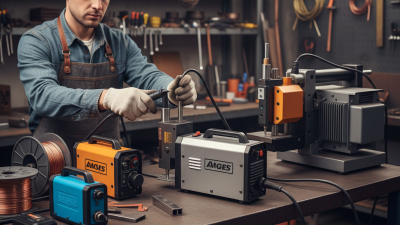
Capacitor discharge welders store electrical energy before releasing a short, intense pulse. They work well on small parts, studs, and materials that could distort under longer heating. Portable tong welders provide flexibility around large assemblies. However, their cable length and electrode pressure can affect weld consistency. The details matter.

A practical selection test should include sample coupons made from the actual metals. Check nugget size, surface marks, and peeling strength after welding. Correct electrode pressure is essential. Excessive pressure can reduce heat, while insufficient pressure may cause sparks and weak joints. Settings printed on a control panel are only starting points. Material coatings, surface dirt, and electrode wear can change the result. The “best” type is therefore the one that delivers repeatable welds with manageable setup and inspection. That judgment is not always obvious.

Key Factors for Choosing the Right Spot Welder

What Is the Best Type of Spot Welder?

The best spot welder depends on your materials, joint design, and production demands. Steel, stainless steel, and coated sheet require different current levels and electrode pressure. Measure the thickest combined material before comparing machines. A unit rated for thin sheet may struggle with repeated welds.

Control matters more than impressive power numbers. Look for adjustable weld time, current, and electrode force. Digital monitoring can reveal weak welds before they become costly defects. In practical shop testing, I check the weld nugget, surface marking, and panel distortion. A clean appearance is not enough. Peel testing or destructive testing gives stronger evidence.

Duty cycle deserves attention. A machine that overheats after several welds can slow production badly. Air cooling may suit light work, while water cooling helps during continuous operation. Electrode shape, replacement cost, cable length, and access around the workpiece also affect daily use. Safety features should include stable grounding, guarded controls, and clear operating instructions. Do not ignore them.

The cheapest option may work—sometimes. However, low purchase cost can hide poor repeatability or difficult maintenance. I would also question any specification without test conditions. Compare real sample welds, service access, and operating noise before deciding. A small workshop may value precise control, while a production line may need speed and automatic monitoring.

What Is the Best Type of Spot Welder?

Compare common spot-welder configurations by the factors that often matter most when choosing equipment.

Scores are a qualitative comparison on a 1–5 scale, not measured performance ratings. The best choice depends on the materials, sheet thickness, production volume, and available power; actual capacity varies by machine and setup. For frequent, consistent production, a stationary machine is often a strong fit. For occasional repairs or work away from a production line, portability may matter more.

Comparing Manual, Pneumatic, and Automated Spot Welders

What Is the Best Type of Spot Welder?
Comparing Manual, Pneumatic, and Automated Spot Welders

Manual spot welders suit repair work, prototypes, and short production runs. The operator positions the electrodes and controls each weld, which makes adjustments easy. You can feel when a part shifts, but consistent results depend heavily on technique. Small batches often benefit most.

Pneumatic spot welders use compressed air to apply electrode force. This can make repeated welds more consistent and reduce operator fatigue during longer shifts. They still need careful setup: material thickness, electrode condition, and weld settings all matter. Air pressure alone does not guarantee a sound joint. A worn electrode can quietly spoil an otherwise steady run.

Automated systems are designed for high-volume work, where controlled positioning and repeatable cycles matter. They can reduce variation, but setup, maintenance, and changeovers may take more effort than a small shop needs. I would not choose automation just because it looks precise; the work volume has to justify it. For any type, test sample pieces and inspect the welds before committing to a full run. One detail is easy to overlook: the best choice can change when part geometry or production volume changes.

Matching Spot Welders to Materials and Production Needs

What Is the Best Type of Spot Welder?

Matching Spot Welders to Materials and Production Needs

The best spot welder depends on material resistance, thickness, access, and production rhythm. For mild steel, AC machines remain practical for repairs and short runs. Medium-frequency direct-current systems provide tighter heat control and lighter transformers. They suit repeated automotive assemblies. The World Steel Association reported 1.89 billion tonnes of crude steel production in 2023. That scale explains why stable electrodes and consistent pressure matter. Stainless steel needs precise current control. Aluminum requires higher current, clean surfaces, and strong electrode dressing. Copper alloys are more demanding because they remove heat quickly.

Production volume changes the decision. A hand-operated unit fits a small fabrication cell. Servo-controlled guns work better when every weld follows the same force curve. The International Federation of Robotics recorded 541,302 industrial robot installations in 2023. This supports automation, but automation is not automatically better. I have seen a fast cell reproduce a weak setup perfectly. The real problem was poor surface preparation. For automotive work, procedure checks should also follow AWS D8.9:2022.

Tips: Test coupons using the actual material thickness. Record current, weld time, force, and nugget diameter. Check electrode wear every shift. Leave space for maintenance. A cheaper welder may win at low volume, yet become costly when rework begins.

What Is the Best Type of Spot Welder? — Matching Spot Welders to Materials and Production Needs
Spot Welder Type Materials and Typical Work Best Production Fit Main Advantages Key Considerations
AC Resistance Spot Welder Commonly used for overlapping low-carbon steel sheet and other materials that can be joined with conventional resistance-welding schedules. General fabrication, repair work, and lower- to medium-volume production. Established process, straightforward operation, and broad availability of equipment and service. Weld consistency depends on stable electrode condition, fit-up, force, and power supply. Some applications may require more adjustment to manage heat input.
MFDC Inverter Spot Welder Suitable for many steel applications, including coated steels; application-specific testing is needed for aluminum and other demanding materials. Automated lines and production requiring repeatable, controllable weld schedules. Precise current control and fast response can support consistent welds; three-phase input power is commonly used by industrial systems. Higher equipment complexity and cost than basic AC systems. Transformer, gun, and controller must be selected for the material and duty cycle.
Capacitor-Discharge Spot Welder Small parts, thin sheet, wire, tabs, and assemblies where a short, concentrated energy pulse is useful. Short-cycle production, precision assembly, and work where limiting overall heat input is important. Stores energy for a brief discharge, which can reduce the duration of heating and help limit distortion in suitable parts. Not a universal choice for large or heavy sections. Joint geometry, surface condition, stored energy, and electrode design strongly affect results.
Portable Resistance Spot-Welding Gun Sheet-metal assemblies, including vehicle bodies and large structures that are difficult to bring to a fixed machine. Repair shops, flexible assembly areas, and production cells requiring access to multiple locations on a workpiece. Brings the electrodes to the part and can reach joints that are impractical on a stationary welder. Gun weight, cable and transformer arrangement, operator access, and electrode force can affect ergonomics and weld repeatability.
Robotic or Automated Spot-Welding System Repeated sheet-metal joints in steel or other qualified materials, using a compatible resistance-welding power source and gun. High-volume production with consistent part presentation and a stable, repeatable weld sequence. Can deliver repeatable electrode positioning and weld timing while reducing manual handling of repetitive joints. Requires fixturing, programming, safety systems, and process validation. Automation is a production configuration, not a separate welding-current technology.
Best Selection Practice Evaluate the actual alloy, sheet thickness, coating, number of layers, joint access, and required weld strength. Any production volume where weld quality and repeatability matter. Representative sample testing helps confirm the power source, electrode shape, force, and weld schedule for the application. There is no single best type for every job. Follow applicable process requirements and verify weld quality on production-representative materials.

Safety, Maintenance, and Performance Evaluation Criteria

What Is the Best Type of Spot Welder?

The best spot welder is not always the most powerful model. Safety, maintenance, and repeatable performance matter more in daily work. A resistance spot welder should include stable current control, insulated handles, and reliable thermal protection. Pinch points need clear guarding, especially during repeated cycles. Operators should wear eye protection, suitable gloves, and nonflammable work clothing. Good ventilation is also important when coatings or residues produce fumes.

Maintenance directly affects weld quality. Check electrode tips before every shift. They should remain clean, aligned, and evenly shaped. Remove oxidation carefully, rather than grinding away excessive material. Inspect cables for heat damage, loose connections, or cracked insulation. Water-cooled equipment needs proper flow and clean coolant. Keep a simple service log. Small faults become expensive failures when ignored.

Performance should be measured, not guessed. Test welds on the same metal thickness used in production. Examine nugget size, surface marks, and visible cracking. Peel tests can reveal weak internal bonds that look acceptable outside. Record current, weld time, electrode pressure, and cooling time. Consistency is the real test. I once trusted a clean-looking weld too quickly, and later found uneven penetration across the batch. That mistake changed my inspection routine. No machine performs well when material fit-up, pressure, or electrode condition is neglected.

Contact us

Please fill out the enquiry form, and our dedicated team will promptly attend to your request