How to Choose a Seam Welding Machine in 2026?
Choosing a seam welding machine in 2026 starts with the joint, not the brochure. Identify the material, thickness, seam length, and production rate before comparing models. Stainless steel, coated sheet, and aluminum can respond differently to heat and pressure. A machine that performs well on a short sample may struggle during a full shift. Small details matter. So does the workpiece.
Review the available welding current, electrode design, pressure control, cooling system, and duty cycle. Ask suppliers to run representative parts, then inspect the seam for consistency, distortion, and leaks where relevant. Record settings and results; memory is a poor process-control tool. Check whether operators can adjust parameters clearly and whether routine maintenance is practical. Local service access and spare-part availability deserve attention too.
Specifications help, but they rarely tell the whole story. A low purchase price can bring higher setup effort, while advanced controls may add complexity your team does not need. That trade-off is easy to underestimate. Be cautious of claims based on ideal conditions, and request test data for your actual material and joint geometry. Even a careful shortlist can miss a production constraint, so leave room to reassess after trials. The right choice is not simply the machine with the highest output. It is the one that makes a stable, repeatable seam within your real operating limits.
Understanding Seam Welding and Its Industrial Applications
Understanding Seam Welding and Its Industrial Applications
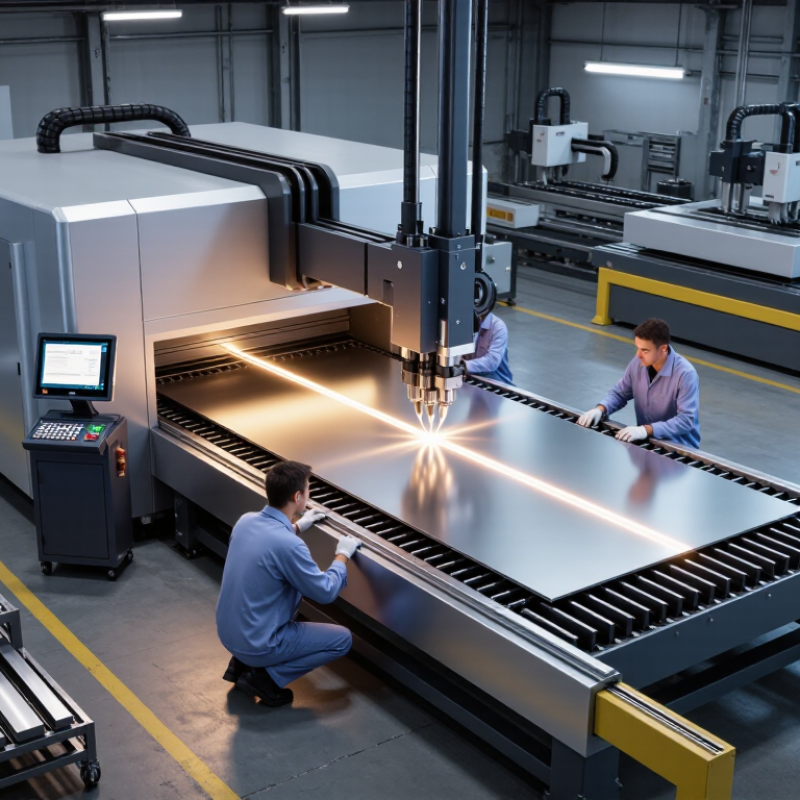
Seam welding joins overlapping metal sheets with rotating wheel electrodes. The wheels apply pressure and electrical current as they move along the joint. This creates a continuous or overlapping series of welds. The seam may look like a narrow row of evenly spaced marks. It is not always airtight; settings and joint preparation matter.
Manufacturers use seam welding for fuel tanks, radiators, drums, and appliance housings. In automotive production, it can join panels where a long, consistent joint is needed. Resistance seam welding suits many thin steel parts. Other materials may need different electrode designs, current levels, or travel speeds. A small change can alter the heat pattern. That is easy to underestimate.
Tips: Match the machine’s capacity to the material, thickness, and seam length you actually produce. Test sample parts and inspect for leaks, burn-through, and uneven spacing before setting production parameters. Keep electrode wheels clean and aligned. Real shop conditions can differ from a tidy trial, so leave room to adjust.
How to Choose a Seam Welding Machine in 2026? - Understanding Seam Welding and Its Industrial Applications
| Selection dimension | Available choices or facts | What to evaluate | Typical industrial applications |
|---|---|---|---|
| Welding process | Resistance seam welding uses rotating wheel electrodes to apply pressure and current along a joint. Welds may be continuous or made as overlapping spot welds. | Confirm the joint must be made by resistance welding and that the parts can be supported and guided consistently beneath the electrode wheels. | Sheet-metal assemblies, containers, tanks, and tubular components. |
| Joint and seam geometry | Common configurations include lap seams and, for suitable material and tooling, mash seams. Machines can be arranged for longitudinal or circumferential seams. | Specify overlap, seam length, part access, allowable distortion, and whether the workpiece or electrode assembly must rotate or travel. | Drums and cylindrical vessels; longitudinal seams in formed sheet and tube products. |
| Material and coating | Resistance seam welding is used with conductive sheet materials, including many steels and some non-ferrous alloys. Coatings and surface condition can affect current flow and electrode wear. | Test the actual alloy, coating, surface finish, and material combination. Confirm that the required weld quality can be achieved without unacceptable surface damage. | Automotive sheet components, stainless-steel products, and coated-sheet assemblies where the material and process are compatible. |
| Material thickness and stack-up | The usable thickness range depends on material, number of layers, joint design, electrode geometry, and machine capacity; there is no single range that applies to every seam welder. | Provide minimum and maximum thicknesses for every layer, plus tolerances. Request trials using representative production parts rather than relying only on a nominal machine rating. | Thin-sheet enclosures, can bodies, HVAC components, and other formed sheet-metal products. |
| Production rate and duty cycle | Welding speed and operating cycle depend on the material, seam length, weld schedule, cooling, and part handling. High-volume lines may require automated loading and unloading. | Define target output, shift pattern, seam length per part, changeover frequency, and permitted downtime. Check rated duty cycle at the intended production conditions. | Can and drum manufacturing, appliance production, and automated automotive component lines. |
| Electrode wheels and tooling | Wheel material, diameter, face width, profile, alignment, and dressing method influence contact conditions and maintenance needs. | Match the wheel profile to the joint and access constraints. Ask about wheel life, dressing intervals, replacement time, and availability of application-specific tooling. | Repeated seams on formed panels, cylindrical parts, and sheet-metal containers. |
| Power supply and weld control | The power source must provide the current and control needed for the application. Controls may manage welding current, force, speed, and weld timing or pulse sequence. | Check available electrical supply, adjustment range, repeatability, recipe storage, fault reporting, and the ability to monitor or record key process parameters. | Production environments requiring repeatable settings across batches, operators, or product variants. |
| Cooling and maintenance | Electrodes and other components may require cooling depending on the machine design and production duty. Cooling and electrode condition affect process stability. | Confirm cooling requirements, water quality and flow specifications, routine inspection points, service access, and recommended spare parts. | Continuous or high-duty production of containers, tanks, and sheet-metal assemblies. |
| Quality and leak requirements | A seam may need to meet strength, appearance, or leak-tightness requirements. Qualification and inspection methods depend on the product and applicable specifications. | Define acceptance criteria before machine selection. Establish suitable destructive or non-destructive tests, such as leak testing where required, and document process validation. | Fuel and fluid containers, drums, radiators, and other products with specified sealing requirements. |
| Automation and integration | Machines may be manually loaded, fixture-assisted, or integrated with automated part handling and production controls. | Review part presentation, fixture design, safety guarding, cycle synchronization, changeover needs, and interfaces with existing equipment. | Automotive components, appliance panels, and high-volume container production. |
Note: Machine capability and process settings are application-specific. Confirm suitability through documented trials with representative materials, joints, and production conditions.
Related Posts
-
Top 10 Seam Welding Machines for Global Buyers in 2026?
-
Top Benefits of Using Seam Welding Machines for Global Buyers?
-
What Is the Best Seam Welding Machine in 2026?
-
Why is Automotive Welding Important for Vehicle Manufacturing?
-

What is a Cheap Mig Welder and How to Choose the Best One?
-

Why Robotic Welding Machines Are Revolutionizing the Manufacturing Industry

Contact us
Please fill out the enquiry form, and our dedicated team will promptly attend to your request