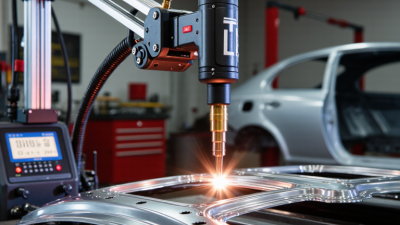
What Is a Portable Spot Welder and How Does It Work?
A portable spot welder brings resistance welding to the workpiece instead of requiring the workpiece to reach a fixed machine. It clamps two conductive metal sheets between copper-alloy electrodes, then passes a controlled current through the contact area. The resulting heat softens the metal at the interface, forming a compact weld nugget under pressure. No filler wire. No open arc.
The principle is simple; reliable results are not automatic. Sheet thickness, surface condition, electrode force, and pulse duration all affect weld quality. A small unit can suit battery tabs, thin brackets, and repair work, but it may struggle with thicker stock or repeated production cycles. Look for adjustable current and timing, clear duty-cycle ratings, and accessible replacement electrodes. A neat spot can still be weak.
The American Welding Society’s workforce outlook has projected a need for about 360,000 new welding professionals in the United States by 2027. That figure concerns workforce demand, not sales of portable welders, but it shows why sound process knowledge matters. Welding author Sindo Kou defines the process as “joining two materials, usually metals or thermoplastics, by causing coalescence.” This is the core idea behind spot welding, though a portable machine adds limits in power, reach, and cooling. In this guide, we’ll explain what a portable spot welder is, how its current-and-pressure cycle works, and what to check before choosing one. A candid note: portable does not mean effortless.
What a Portable Spot Welder Is
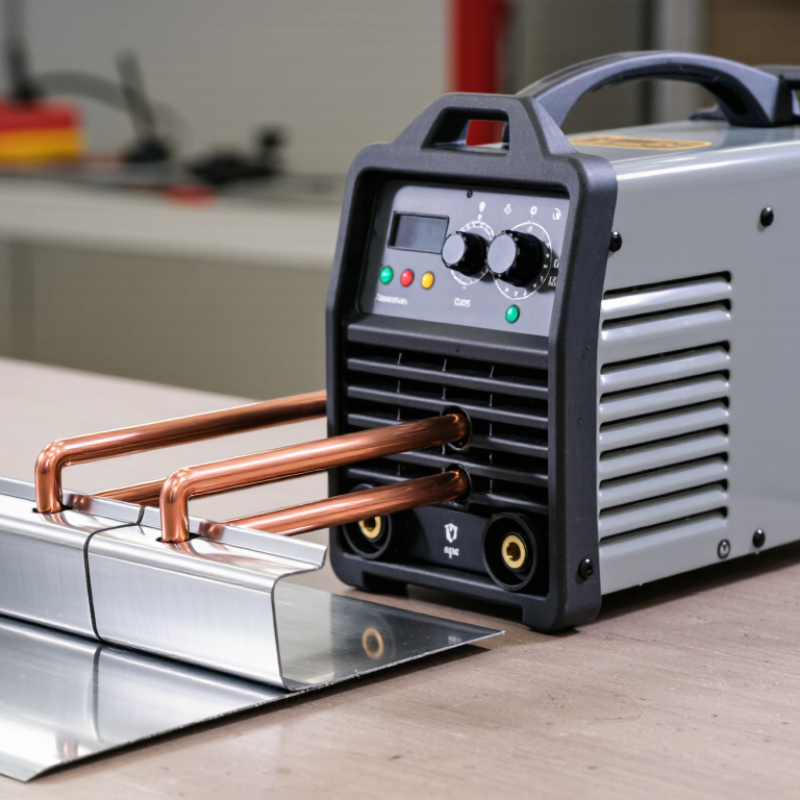
A portable spot welder is a compact resistance-welding machine for joining overlapping metal sheets. It presses two electrodes against the workpiece and sends a controlled electrical current through the contact area. Resistance generates heat at the metal interface, forming a small fused joint, or “weld nugget.” The operator usually controls electrode pressure, current, and weld time. The machine may be handheld or mounted on a movable frame; portable does not always mean cordless.
It is commonly used for thin steel panels, small fabrication jobs, and repairs where a full-size welding cell is impractical. Picture two clean sheet-metal edges clamped together, with the electrodes leaving small circular marks. The process needs conductive material and firm contact; paint, rust, or gaps can weaken the joint. That matters. The U.S. Department of Energy’s 2022 Industrial Decarbonization Roadmap reports that industry accounted for about 30% of U.S. energy-related carbon dioxide emissions in 2020. That figure covers industry broadly, not spot welding alone, but it underscores why controlled, localized joining is worth assessing. A portable unit can reduce setup and heat spread, though results still depend on material thickness, electrode condition, and operator technique. Small machines have limits. Check their rated capacity before assuming they can join thicker stock.
Key Components of a Portable Spot Welder
A portable spot welder brings several working parts into a compact frame. Its power source may be a rechargeable battery or a mains connection, depending on the model. An internal transformer or inverter changes the incoming power into a brief, high-current output. The voltage is lower, but the current can heat a small contact area very quickly. That matters.
Two copper-alloy electrodes press the metal sheets together. Their arms guide the electrodes and provide clamping force, while insulated handles help the operator position the tool. When current passes between the tips, electrical resistance creates heat at the contact point. The pressure helps form a fused spot as the metal cools. A controller sets the current and pulse duration; some units also let users adjust squeeze time or repeat cycles.
The control system is easy to overlook. It can help keep welds consistent, but it cannot correct poor alignment or dirty metal. A tiny gap between sheets may leave a weak joint. Small, but critical. Cooling vents or fans manage heat inside the housing, though repeated welds can still warm the tips. A compact machine is not automatically simple to use. Test settings on matching scrap, inspect the joint, and adjust carefully; thin metal can burn through sooner than expected.
What Is a Portable Spot Welder and How Does It Work?
Key Components: A Spot-Welding Cycle
This schematic shows the relative current through a typical spot-welding cycle, not measured settings. The power source supplies energy, the controller times the pulse, and the electrodes press the metal pieces together while conducting current through the joint. The current rises during welding and stops during the squeeze and hold stages; actual waveforms vary by welder and material.
How Electrical Resistance Creates a Weld
A portable spot welder joins overlapping metal sheets by squeezing them between two conductive electrodes. When current passes through the contact area, electrical resistance turns some energy into heat. The hottest point is usually the interface between the sheets, where a small molten region forms. This is called a weld nugget. No filler metal is needed.
Electrode pressure keeps the sheets in contact while the current flows, then holds them still as the nugget cools and solidifies. Timing matters. Too little heat may leave a weak joint; too much can burn through thin metal or create surface marks. Current, pressure, electrode condition, and material thickness all affect the result. In practice, the right settings may take a few test welds to find. That part can feel less exact than the theory suggests.
Tips: Clean the metal first, and test on matching scrap. Keep hands clear of the electrodes, and use suitable eye protection. Inspect each test weld for a firm join and excessive damage.
Step-by-Step Operation of a Portable Spot Welder
A portable spot welder uses a short burst of electrical current to fuse overlapping metal pieces at a small contact point. Before switching it on, read the equipment instructions and check that the electrode tips are clean and undamaged. Put on eye protection, secure the work on a stable surface, and keep flammable materials away. Clean oil, paint, and loose rust from the joining area; even a thin coating can spoil contact. Small details matter.
Set the current and pulse duration for the metal type and thickness, using the recommended settings as a starting point. Place the pieces with a slight overlap, then position both electrodes squarely on the intended spot. Press them firmly enough to hold the metal without shifting it. Keep it steady. Activate the weld for the selected pulse, release the trigger, and wait briefly before moving the electrodes. Do not drag them across the surface.
Inspect the joint for a consistent indentation and secure bond, then test a sample piece when adjusting settings. A tidy mark alone does not prove a strong weld. If the metal burns through, the pulse may be too long or the pressure uneven; if the bond separates easily, reassess the settings and contact. Let the work cool before handling it, and use ventilation when the material or coating may produce fumes.
Common Applications and Safe-Use Considerations
A portable spot welder joins overlapping metal pieces by pressing them between two electrodes and sending a brief current through the contact point. The resulting resistance heat fuses the metal locally, often without filler material. Common jobs include joining thin sheet-metal panels, wire mesh, small brackets, and battery tabs in controlled repair or assembly settings. The tool is useful where a large stationary machine would be awkward. The weld is tiny. But a neat surface mark does not prove the joint is strong; material thickness, electrode pressure, and surface condition all matter.
Safe use starts with stable workpieces, dry hands, intact cables, and eye protection suited to sparks and hot metal. Keep fingers clear of the electrodes, and allow parts to cool before handling. Coatings can produce hazardous fumes, so identify the material and provide suitable ventilation. Remove nearby combustibles. NFPA’s analysis of U.S. structure fires from 2010–2014 estimated an annual average of 4,580 fires involving hot work, with $484 million in direct property damage; this figure covers hot work broadly, not spot welders alone. OSHA’s welding standard calls for a fire watch where significant fire hazards exist and requires it to continue for at least 30 minutes after work ends. A quick visual check is not enough. Recheck the joint and the surrounding area.
| Topic | How It Works or Typical Use | Practical Details and Considerations |
|---|---|---|
| What it is | A portable spot welder is a movable resistance-welding tool that joins overlapping metal pieces at localized points, called weld spots. | Portable designs range from compact battery-powered units to handheld welding tongs connected to a larger power supply. Their capacity and suitable materials vary by model. |
| How a weld forms | Electrodes press the workpieces together while an electrical current passes through the contact area. Electrical resistance generates heat, softening and fusing the metal at the interface. | The basic relationship is often described as heat being proportional to current squared, resistance, and time. Pressure, electrode condition, material, thickness, and current settings all affect weld quality. |
| Typical weld cycle | A controlled sequence commonly includes positioning, electrode force, a short current pulse, and a hold period while the hot joint cools under pressure. | Pulse duration and force depend on the machine and materials. Use the equipment instructions and validated settings rather than relying on a universal setting. |
| Common materials | Resistance spot welding is commonly used on overlapping, electrically conductive sheet metals, including many low-carbon steel and stainless-steel applications. | Coatings, surface contamination, alloy, thickness, and stack-up can change the required settings. Some metals and material combinations require specialized equipment or procedures. |
| Battery-pack work | Small pulse spot welders are often used to attach nickel or compatible metal strips to battery-cell terminals in pack assembly and repair. | Use only a process and materials appropriate for the specific cell. Control heat input, prevent short circuits, and follow cell-manufacturer guidance; do not treat a cell as an ordinary metal workpiece. |
| Sheet-metal repairs | Portable tong-style welders can make localized joins on accessible overlapping sheet-metal parts, such as panels or brackets. | Access, throat depth, sheet thickness, and the tool's rated capacity determine whether a joint can be made. Verify the finished weld using a suitable inspection method. |
| Small fabrication | Suitable setups can join small brackets, enclosures, wire components, and other thin conductive parts in workshops or on-site work. | Consistent overlap, clean contact areas, and repeatable electrode placement help produce more uniform welds. |
| Advantages | Spot welding can be fast, localized, and filler-free. A portable unit can bring the process to work that is awkward to move to a fixed machine. | It is generally best suited to accessible lap joints. It does not automatically replace arc welding, brazing, or other processes for every joint design. |
| Before operation | Read the operating instructions, check cables and electrodes, secure the work, and select settings for the specific material and thickness. | Remove flammable materials from the work area. Do not use damaged equipment, and make sure the workpiece and nearby surroundings are suitable for welding. |
| Personal protection | Wear appropriate eye protection and protective clothing. Keep hands clear of the electrode tips and the area where the workpieces are clamped. | Electrodes and workpieces can become hot; the tool can also create pinch points, sparks, and burn hazards. Follow the risk assessment and equipment guidance. |
| Ventilation and fire safety | Provide suitable ventilation, especially when welding coated, painted, oily, or otherwise contaminated materials. | Heating some coatings or residues can produce hazardous fumes. Keep a suitable fire-control method nearby and check the work area for smoldering material after welding. |
| Electrical and battery safety | Use the correct power source and inspect connections before use. Battery-powered units can still deliver enough energy to cause burns, sparks, or damaging short circuits. | Keep conductive objects away from exposed battery terminals. Disconnect or isolate equipment as directed before maintenance, and do not weld sealed or pressurized containers. |
| Quality checks | Check that the joint is positioned correctly and that the welds are consistent. When appropriate, make and test sample welds before production or repair work. | Use a procedure suited to the application. Appearance alone may not confirm joint strength; inspection or destructive testing may be needed for critical work. |
| Important limitation | “Portable” describes mobility, not a universal ability to weld every metal, thickness, or joint. | Check the unit’s rated capacity, duty cycle, electrode design, and safety instructions. For structural or safety-critical parts, use a qualified process and appropriate inspection. |
Related Posts
-
2026 Best Automotive Spot Welder for Car Repair
-
Why You Need a Mini Spot Welding Machine for Your DIY Projects Today
-
Top 10 Benefits of Using Mini Spot Welding Machines for Your Projects?
-
What Is the Best Type of Spot Welder?
-
2026 Best Mini Spot Welding Machine Buying Guide
-
How to Choose the Best Spot Welder for Your Needs
Contact us
Please fill out the enquiry form, and our dedicated team will promptly attend to your request