How to Choose a Seam Welding Machine?
Choosing a seam welding machine is not simply a matter of comparing power ratings. The right choice depends on the material, thickness, joint design, production volume, and required weld quality. A machine suited to thin stainless-steel panels may not provide the control needed for thicker parts or long, continuous seams. Small details count.
Start by defining the work the machine must perform. Note the alloy, sheet thickness, seam length, and whether the joint must be leak-tight or mainly structural. Then compare electrode-wheel design, welding current range, travel speed, and pressure adjustment. These settings affect heat input and seam consistency. A machine with accessible controls can also make setup and repeat jobs easier.
Production conditions deserve equal attention. Check duty cycle, cooling requirements, workpiece access, and how parts will be positioned and fed. Ask the supplier for specifications that match your materials, and, where possible, test sample pieces before purchase. Inspect the seam for gaps, distortion, burn-through, and uneven appearance. A polished demonstration is useful, but your own parts provide better evidence. Keep operating and maintenance guidance available, too.
There is no single best machine for every workshop. A low purchase price can be tempting, yet limited adjustment or difficult maintenance may cost time later. Conversely, buying more capacity than the job needs is not automatically wise. Some decisions remain uncertain until a trial run. This guide explains the key factors to compare so you can choose a seam welding machine that fits real production needs—not just a specification sheet.
Identify the Production Requirements and Seam-Welding Applications
Start with the parts you actually need to join. Record the material, thickness range, seam length, joint shape, and expected output per shift. A long straight seam on thin sheet needs different control from a short curved seam on a thicker vessel. Note whether the weld must be continuous or intermittent, and how parts will be loaded and positioned. Small gaps matter. They can cause inconsistent contact and uneven welds.
Then match these requirements to the process. Check whether the machine can maintain suitable pressure, current, speed, and cooling across your full thickness range. Consider access for bulky workpieces, setup time, operator controls, and inspection needs. If distortion is a concern, plan how you will check it after welding. A specification sheet is useful, but it cannot show every fit-up problem. Test representative parts before settling on a configuration; this step may reveal that your initial assumptions were too optimistic.
Tips: Bring sample parts, not just drawings, to a supplier or process specialist. Test the hardest seam in your production mix. Watch for burn-through, inconsistent nugget formation, and workpiece movement. Test the actual parts. Keep results from each trial, including settings and measured seam quality, so adjustments are based on evidence rather than guesswork.
Match the Machine to the Materials, Thicknesses, and Joint Design
How to Choose a Seam Welding Machine?
Match the machine to the actual material stack, not just the production target. Copper Development Association conductivity tables place 6061-T6 aluminum at roughly 40% IACS; annealed copper defines the 100% reference. That difference affects current demand and heat balance, but coatings, surface condition, and alloy temper matter too. Check the material specification before selecting a power supply. Small details count.
Thickness changes the required force, current, and wheel-electrode setup. A machine suitable for two thin steel sheets may struggle with a thicker stack or mixed alloys. The Resistance Welding Manufacturing Alliance’s Resistance Welding Manual describes weld heat through the relationship I²Rt: current, resistance, and time all influence heating. Use this as a guide, not a recipe. Verify settings with test coupons from the real material lot.
Joint design matters just as much. Overlapping flanges need consistent width and flat contact; curved parts may need adjustable wheel alignment and controlled tracking. Fit matters. A tiny gap can create uneven welds, even when the machine has ample capacity. Before purchase, trial the intended seam length and inspect peel strength, leakage, and surface marks. I would also record electrode wear during the trial; it is easy to overlook. Industry references help narrow the options, but your joint geometry should decide the final setup.
Compare Welding Processes, Power Sources, and Machine Configurations
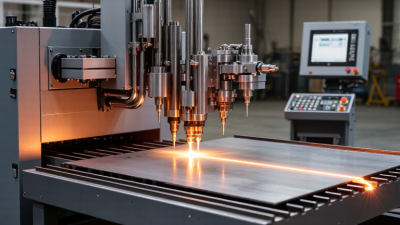
Choosing a seam welding machine starts with the joint, not the catalog. Resistance roll seam welding uses rotating copper-alloy electrodes to press and heat overlapping sheets. It suits repeatable, continuous seams in materials such as steel or stainless steel. Laser welding makes a narrow, low-distortion seam, but fit-up must be precise. Even a small gap can disrupt the weld.
Power source affects heat control and consistency. Conventional AC systems are often practical for steady production. Medium-frequency DC sources can provide precise current control and may help with demanding materials or changing thicknesses. Laser systems use a different energy source, so compare their beam control, cooling needs, and safety enclosure requirements. Heat is not everything. Match the process to material, thickness, coating, and required leak-tightness; a polished sample can still mislead.
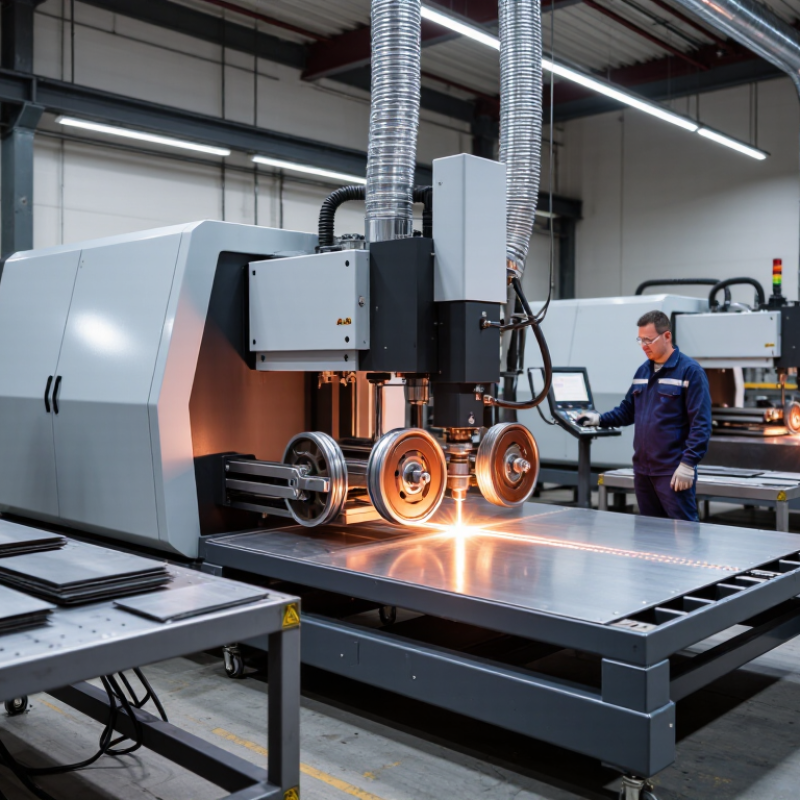
Machine configuration matters on the factory floor. A longitudinal setup feeds parts straight through, while a transverse arrangement can suit shorter panels or crosswise seams. Rotary fixtures help with cylindrical parts, such as tanks, but loading and alignment take time. Check electrode access, seam length, production speed, and space around the machine. Ask for trials using your actual material and joint dimensions. Listen for electrode chatter and inspect the full seam, not just its appearance. The first choice may still need adjustment.
Check Capacity, Controls, Safety Features, and Automation Needs
Choose a seam welding machine by matching its rated capacity to your real production conditions. Check material type, thickness, seam length, and required weld speed. Ask suppliers for duty-cycle ratings and test samples using your actual parts. A machine that handles a brief demonstration may struggle through a full shift. Small details count. Confirm that electrode pressure and travel speed can be adjusted for different jobs, and that controls store repeatable settings. A clear display should show faults and operating status without forcing operators to guess.
Safety and automation deserve equal attention. Look for guarded pinch points, accessible emergency stops, and effective fume extraction suited to the process. The International Federation of Robotics’ World Robotics 2024 report recorded 541,302 industrial robot installations worldwide in 2023, with 4,281,585 robots operating in factories. Those figures show how widely automation is being adopted, but they do not mean every seam welder needs a robot. Consider automation when output, part consistency, and staffing needs justify it. Check whether the machine can exchange signals with existing equipment and recover cleanly after a fault. I would still watch several production cycles before approving a purchase; a tidy spec sheet cannot reveal every awkward part-handling issue.
How to Choose a Seam Welding Machine
Compare the key requirements for a sample production application. Higher scores indicate greater priority; adjust the ratings to match your materials, production volume, and operating environment.
What to check: Confirm the machine’s capacity matches your workpiece material, thickness, and seam length. Review control options for repeatable weld schedules, verify applicable safety provisions, and assess whether automation is needed for your target production rate.
Evaluate Operating Costs, Maintenance, and Supplier Support
How to Choose a Seam Welding Machine?
Evaluate Operating Costs, Maintenance, and Supplier Support
A seam welder’s purchase price is only one line in its lifetime cost. Estimate electricity use per shift, electrode-wheel dressing, cooling-water needs, and fixture changes. Ask for a sample cycle-time calculation using your material thickness and production rate. Small costs add up. Check whether the quote includes commissioning, operator training, and wear parts; omissions can distort comparisons.
Maintenance and supplier support affect uptime. The U.S. Department of Energy’s Operations & Maintenance Best Practices Guide reports potential maintenance savings of 8–12% for predictive versus preventive maintenance, and 30–40% versus reactive maintenance. These are broad industrial estimates, not seam-welder guarantees. Still, ask suppliers about inspection intervals, fault diagnostics, spare-part lead times, and technician response times. A low-cost machine may become expensive if a replacement wheel takes days to arrive. I would also question any uptime promise that lacks defined measurement conditions.
Tips: Request a written service-level plan and a sample maintenance schedule. Compare total cost over your expected service life, not just the first year. Track actual downtime after installation; estimates are imperfect.