China Top 10 Spot Welding Machines and Their Prices?
China’s spot welding market offers buyers a wide range of machines, from compact bench units to heavy-duty production systems. Yet comparing prices is rarely straightforward. Two machines with similar power ratings may differ in duty cycle, electrode force, cooling requirements, control features, and after-sales support. Those details matter on the factory floor.
This guide examines ten spot welding machines available in China and their indicative prices. It explains what each machine is designed to do, which specifications deserve close attention, and why a low purchase price may not mean a lower operating cost. Prices can vary with configuration, order quantity, shipping, and supplier terms. Treat them as reference points, not fixed quotations.
The phrase spot welding machine price is useful, but it does not tell the whole story. A realistic comparison also considers installation, consumables, maintenance, and expected production volume. A unit that welds thin sheet reliably may be unsuitable for thicker components. Small differences matter. Especially at scale.
No source articles or verified expert quotation were provided, so I can’t responsibly attribute a statement to a named industry expert. Rather than invent a quotation, this introduction focuses on practical buying criteria. A verified expert comment can be added once its source and attribution are confirmed. That extra check is worthwhile. Reliable pricing starts with clear specifications and comparable supplier quotes.
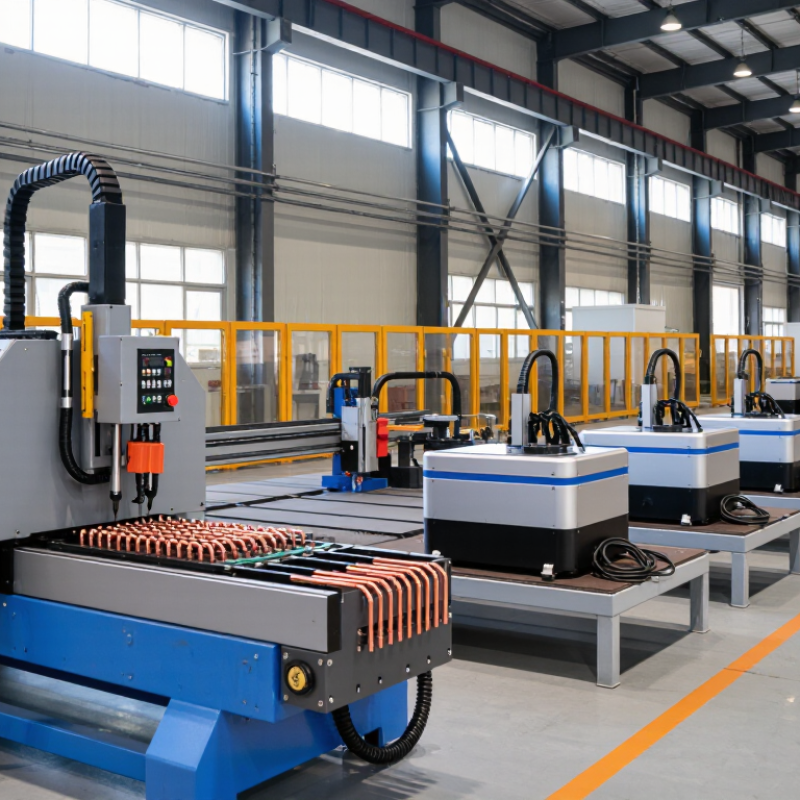
What Spot Welding Machines Are and How They Work
A spot welding machine joins overlapping metal sheets using heat and pressure. Two copper-alloy electrodes clamp the sheets, then pass a controlled electric current through them. Electrical resistance heats the contact area, forming a small molten region called a weld nugget. The electrodes keep pressing as the metal cools. The idea is simple. The results depend on precise settings.
Weld quality changes with current, weld time, electrode force, material, and sheet thickness. A bright, neat surface does not always mean a strong joint. Operators often inspect sample welds and adjust settings when materials or coatings change. This takes experience. Too much heat can cause splash or damage; too little may leave a weak bond. Machines may be manual, pneumatic, or automated, and their prices vary with capacity, controls, cooling, and installation needs.
Tips: Keep electrode tips clean and aligned. Test on matching scrap before production, and record settings that work. Check finished joints regularly; one successful test is not proof that every weld is sound.
China Top 10 Spot Welding Machines and Their Prices? - What Spot Welding Machines Are and How They Work
Spot welding joins overlapping metal sheets by pressing them between electrodes and passing an electric current through the contact area. The heat generated forms a weld nugget. The machine types and indicative prices below represent common equipment categories available from Chinese suppliers; prices are approximate export-level ranges in USD and vary with capacity, controls, tooling, certification, and order quantity.
| No. | Machine type | Typical configuration | Common applications | Indicative price (USD) | Price basis and notes |
|---|---|---|---|---|---|
| 1 | Portable hand-held spot welder | Hand-held electrode gun with a separate transformer or power unit | Repair work, small assemblies, and accessible sheet-metal joints | $500–$2,500 | Lower-cost units are generally for lighter-duty work; cable length and gun capacity affect price. |
| 2 | Manual bench-top AC spot welder | Fixed electrodes, foot-pedal or manual control, AC transformer | Small workshops, wire products, and thin sheet-metal parts | $300–$1,500 | Basic models typically have simpler controls and lower duty cycles. |
| 3 | Pneumatic stationary AC spot welder | Pneumatic electrode force with a stationary C-frame or press-style structure | Repeated production welds on sheet metal and metal components | $1,500–$6,000 | Price depends on transformer capacity, throat depth, controls, and cooling system. |
| 4 | Single-phase inverter DC spot welder | Inverter power source with programmable current and weld-time settings | Precision sheet-metal work and applications needing repeatable weld settings | $1,200–$5,000 | Control features and rated output influence cost; confirm input-power requirements. |
| 5 | Medium-frequency DC (MFDC) spot welder | MFDC inverter, transformer, and programmable weld controller | Automotive components, appliances, and production lines with controlled weld schedules | $4,000–$15,000 | Higher-output systems and advanced monitoring or communication options cost more. |
| 6 | Capacitor-discharge spot welder | Stored-energy power source delivering a short, high-current pulse | Small components, electronic parts, and certain dissimilar or heat-sensitive assemblies | $800–$6,000 | Energy capacity, electrode tooling, and pulse-control options affect the price. |
| 7 | Projection spot welder | Press-style resistance welder using raised projections to concentrate current | Nuts, studs, wire crossings, and formed sheet-metal components | $3,000–$12,000 | Custom electrodes, fixtures, and multi-point tooling are usually priced separately. |
| 8 | Double-sided multi-point spot welding machine | Multiple electrode pairs for welding several points in one cycle | Mesh, cabinets, enclosures, and repetitive assemblies | $5,000–$25,000 | The number of welding points and the degree of fixture customization are major cost factors. |
| 9 | Robotic spot welding cell | Industrial robot, spot-welding gun, power source, safety enclosure, and controls | Automotive body parts and high-volume, repeatable production | $20,000–$80,000+ | System price depends on robot reach, gun type, safety equipment, integration, and commissioning. |
| 10 | Custom automatic spot welding line | Automated fixtures, material handling, multiple welding heads, and control system | Large-volume production of standardized metal assemblies | $30,000–$150,000+ | This is a project-level estimate; engineering, installation, and production validation may be additional. |
Prices are indicative estimates, not supplier quotations. Compare machines using the same material, sheet thickness, duty cycle, electrode force, rated capacity, power supply, and included accessories. Freight, duties, taxes, installation, and after-sales service may not be included.
Related Posts
-
How to Choose the Best Spot Welding Gun in 2026?
-
2026 Best Mini Spot Welding Machine Buying Guide
-

2025 Best Spot Welder Guide for Homeowners and DIY Enthusiasts
-
Top Spot Welding Machine Manufacturers in China for Global Buyers
-
2026 Best Automotive Spot Welder for Car Repair
-
What Is a Portable Spot Welder and How Does It Work?

Contact us
Please fill out the enquiry form, and our dedicated team will promptly attend to your request